

Your UPS capacity is more about planning because it involves understanding your current and future power needs, not just matching wattage. Proper planning guarantees your system can handle unexpected outages, accommodate growth, and maintain critical operations seamlessly. It also includes regular maintenance, load balancing, and battery upkeep to prevent failures. By focusing on strategic capacity planning, you’ll improve reliability and extend the system’s lifespan. Keep exploring how detailed planning can protect your systems more effectively.
Key Takeaways
- Proper planning ensures systems can handle unexpected outages without failure, beyond just selecting a high-wattage UPS.
- Capacity planning involves understanding load distribution, battery longevity, and future growth, not just immediate power needs.
- Effective planning prevents overloading and premature system failures, extending UPS lifespan and reliability.
- Considering scalability and energy efficiency ensures seamless operations as business demands grow.
- Routine testing, maintenance, and documentation support long-term backup power effectiveness and strategic upgrades.

Have you ever wondered how businesses guarantee their power systems can handle unexpected outages? It all comes down to meticulous UPS capacity planning. Many assume that simply choosing a UPS with enough wattage is enough, but it’s much more nuanced. Proper planning ensures your system can sustain critical operations without risking failure or damage. One key factor is understanding battery longevity—how long your UPS batteries will last through a power interruption. If batteries degrade too quickly, you might find yourself unprotected when it matters most. That’s why regular maintenance and choosing high-quality batteries are essential components of effective capacity planning.
Effective UPS capacity planning depends on understanding battery longevity and regular maintenance for reliable backup power.
Another crucial element is load balancing. When you distribute your electrical load evenly across your UPS units, you prevent any single component from becoming overstressed. Overloading a UPS can lead to premature failure and reduce the overall lifespan of your power backup system. Proper load balancing not only enhances reliability but also optimizes the lifespan of your batteries. When your load is balanced, your batteries don’t have to work as hard, which extends their longevity and ensures more dependable backup power when an outage occurs. It’s a dynamic process—constant monitoring and adjustments are necessary to keep everything running smoothly. Incorporating load management strategies can further improve system performance and longevity.
Strategic capacity planning also considers future growth. You don’t want to be caught off guard when your business expands and your power needs increase. Scaling your UPS system proactively helps maintain seamless operations. This involves analyzing current loads, identifying potential bottlenecks, and investing in scalable solutions. Additionally, you should account for the efficiency of your UPS units. Energy losses during conversions can add up, so selecting high-efficiency models minimizes operational costs and reduces strain on your batteries. Recognizing the importance of system scalability is essential for long-term resilience. Properly assessing your power requirements is also vital to ensure your capacity planning remains effective over time.
Furthermore, effective planning involves regular testing and maintenance. This proactive approach helps identify weak points before they cause outages. Routine checks on battery health, load distribution, and system performance ensure your UPS is always ready to step in during an emergency. Proper documentation of your capacity planning process also provides valuable insights for future upgrades and helps align your backup power strategy with overall business continuity goals.
In essence, guaranteeing your power system can withstand unexpected outages isn’t just about picking a powerful UPS. It’s about a holistic approach that includes managing battery longevity, load balancing, future-proofing, and ongoing maintenance. When you plan carefully, you’re not only protecting your equipment—you’re safeguarding your entire business against disruptions that could be costly or damaging.

Robust Communications Software: Extreme Availability, Reliability and Scalability for Carrier-Grade Systems
As an affiliate, we earn on qualifying purchases.
As an affiliate, we earn on qualifying purchases.
Frequently Asked Questions
How Does Load Variability Affect UPS Capacity Planning?
Load variability directly impacts your UPS capacity planning because fluctuating loads can strain the system, risking battery lifespan and reliability. By carefully analyzing your load patterns, you can implement load balancing to optimize performance and extend battery life. This proactive approach guarantees the UPS can handle peak demands without overloading, maintaining system stability and preventing downtime. Proper planning helps you adapt to changing loads efficiently and sustainably.
What Role Does Future Growth Play in UPS Sizing?
Future growth plays a vital role in UPS sizing because neglecting it leads to unexpected scalability challenges. You need accurate capacity forecasting to guarantee your system can handle increased loads without failure. By planning ahead, you prevent surprises that could cripple your operations. Anticipating growth isn’t just smart—it’s essential. Proper sizing today safeguards your business’s resilience tomorrow, giving you peace of mind and uninterrupted power when it matters most.
How Can Energy Efficiency Impact UPS Capacity Decisions?
Energy efficiency greatly influences your UPS capacity decisions by guiding you toward ideal sizing that balances power needs with energy conservation. Using efficiency metrics, you can identify the most effective units, reducing waste and operational costs. When you prioritize efficiency, you guarantee your UPS system is neither over- nor under-sized, promoting sustainable energy use and better planning for future growth while maintaining reliable power during outages.
What Are Common Mistakes in UPS Capacity Planning?
You might think you’ve planned your UPS capacity perfectly, but overlooking battery lifespan and maintenance scheduling is a common mistake. Neglecting these factors can lead to unexpected failures during critical moments. Overestimating capacity or delaying maintenance seems smart until it’s not. Remember, a well-maintained system with realistic capacity estimates ensures reliability, preventing costly downtime and extending your UPS’s lifespan. Planning smartly now saves headaches later.
How Does Redundancy Influence UPS System Design?
Redundancy strategies markedly boost your UPS system’s reliability by ensuring backup power during failures. When you incorporate redundancy, you design your system to handle unexpected outages without disrupting operations. This approach allows you to maintain continuous power supply, reducing downtime and protecting critical data. By planning redundancy effectively, you create a resilient system that adapts to load changes and hardware faults, ultimately enhancing overall system performance and dependability.

OPTI-UPS DS2000E II (2000VA / 2000W) Online Double Conversion Uninterruptible Power Supply, Pure Sine Wave, UPS Battery Backup, Surge Protection, (Requires 20 amp Outlet, See Picture)
- Power Capacity: 2000VA / 2000W output power
- Power Outlet Type: Requires 20 amp outlet or adapter
- Operation Environment: Ideal for commercial use
As an affiliate, we earn on qualifying purchases.
As an affiliate, we earn on qualifying purchases.
Conclusion
In the end, understanding UPS capacity is like steering a ship through changing tides—you need careful planning rather than just raw power. By evaluating your true needs and anticipating future growth, you guarantee your system remains reliable and efficient. Remember, a well-planned UPS setup is the backbone of your operations, just as a sturdy keel keeps a ship steady amid unpredictable seas. Focus on planning, and you’ll keep your system resilient and ready for anything.
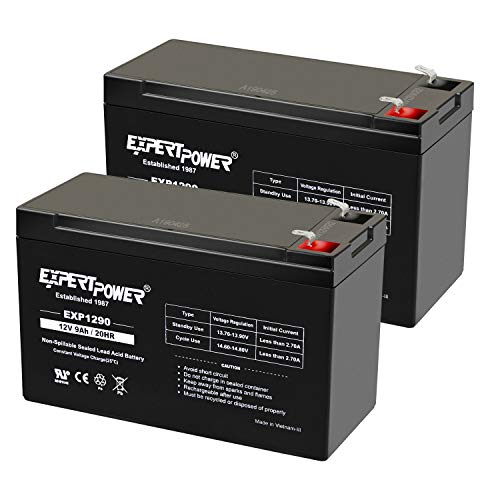
ExpertPower EXP1290 (2 Pack) – 12V 9AH SLA AGM Rechargeable 12V Battery for Ride on Toys, Backup UPS Battery Replacement, 12 Volt Batteries for Alarm, Electric Bike, F2 Terminals (.250")
- Universal Compatibility: Suitable for various 12V devices
- Long-Lasting Performance: Reliable, maintenance-free, spill-proof
- Easy Installation: F2 terminals, no tools needed
As an affiliate, we earn on qualifying purchases.
As an affiliate, we earn on qualifying purchases.

Complete Home Workout System Sit-Ups Fitness Equipment Assistant Device Abdominal Machine sit Ups Thin Belly
- Space-saving Design: Foldable and compact for easy storage
- Convenient Home Use: Achieve fitness without gym visits
- Comfortable Handles: Wear-resistant cotton, non-slip grip
As an affiliate, we earn on qualifying purchases.
As an affiliate, we earn on qualifying purchases.