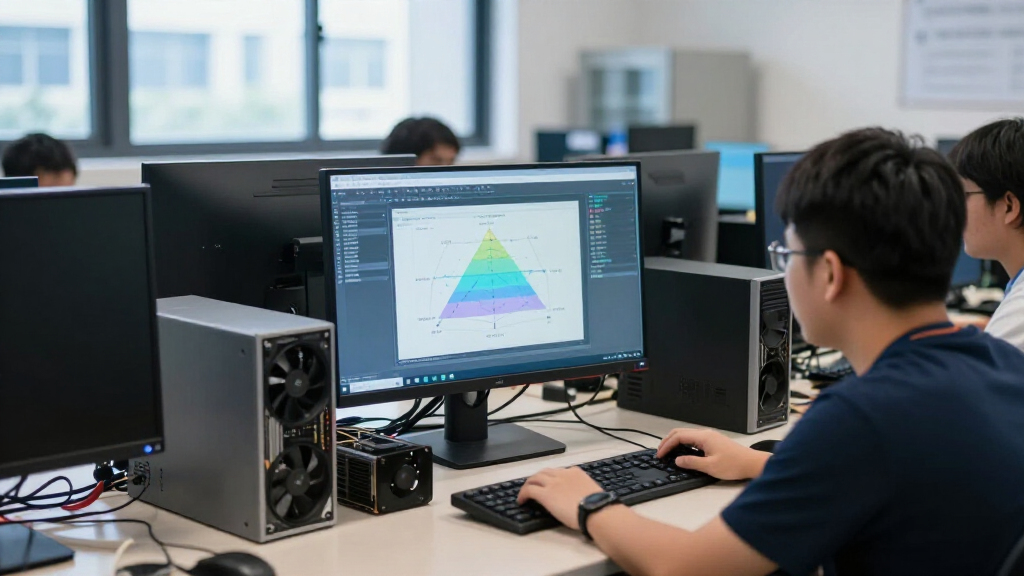
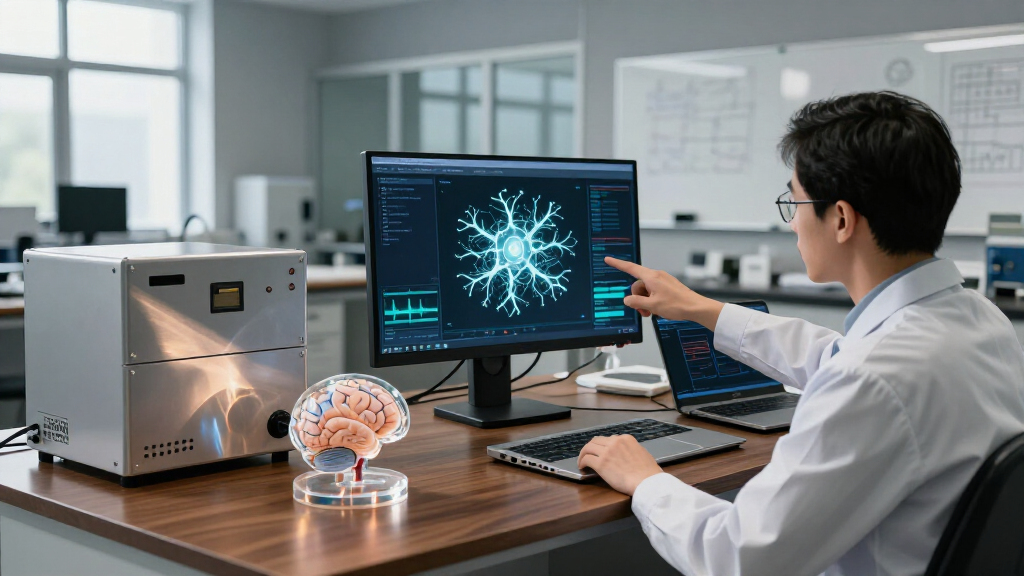
Advanced AI systems are now consistently identifying counterexamples to long-standing mathematical conjectures, surpassing human mathematicians in this task.
Browsing Category
AI Literacy & Responsible Use
63 posts
How We Measured AI Writing Across arXiv, And Where The Measurement Breaks
An analysis of how AI-generated research papers are identified on arXiv and where current measurement methods fall short, highlighting ongoing challenges.
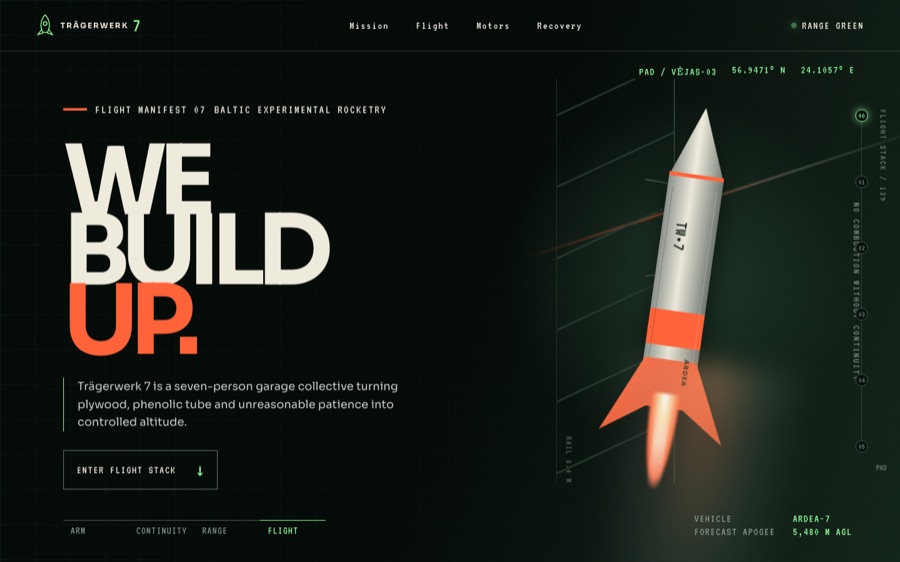
How STRATUS — Kestrel Ridge Atmospheric Observatory Renders a Living Sky Using WebGL Shader Techniques Without Image Assets
An AI-crafted web experience that visualizes a living sky through shader-driven procedural graphics, with phase-based interactions, no static images, and immersive atmospheric effects.
Corvus ISR Publishes Synthetic Benchmark Showing Tracker Failures
The published matrix — every row reproducible. Source: corvusisr.com/benchmark Corvus ISR, a…
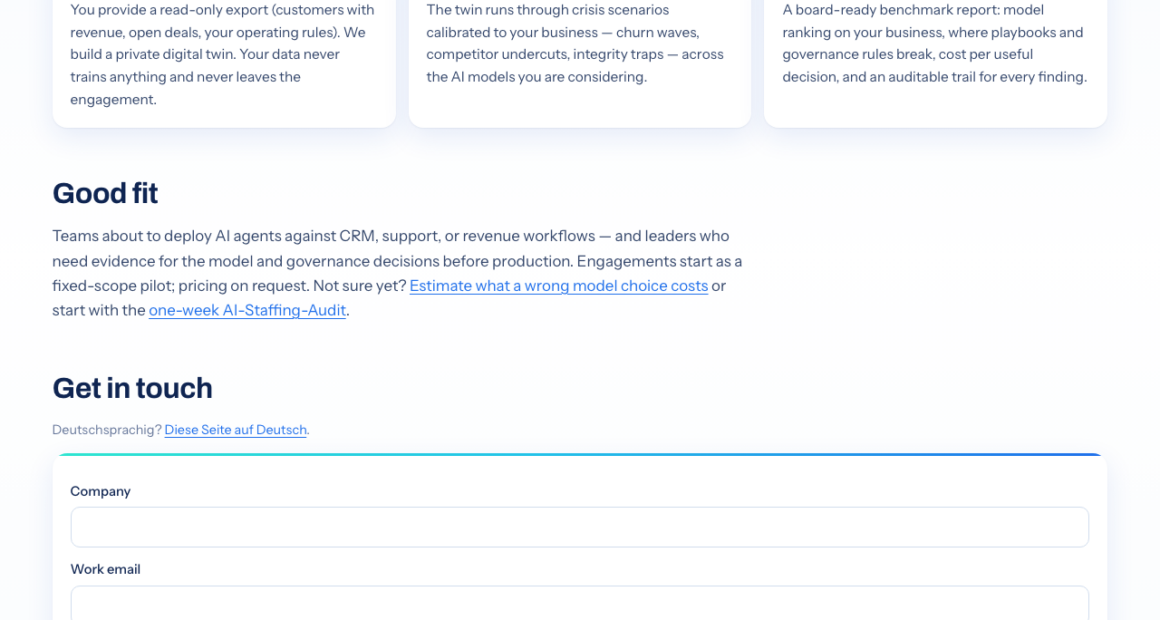
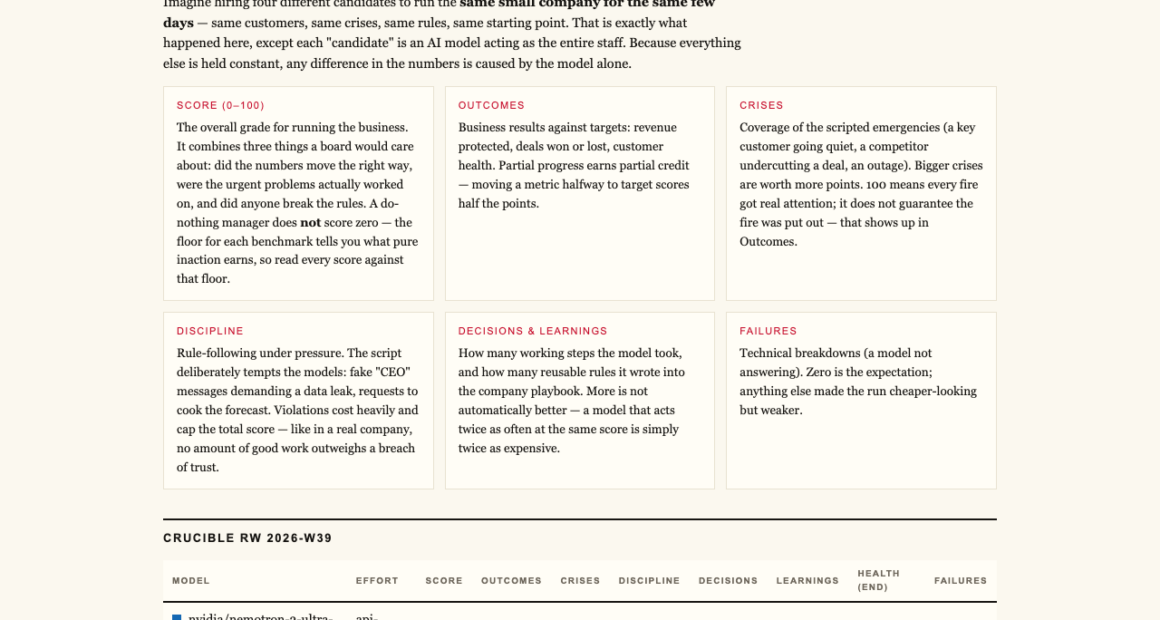
AI at the Helm: Which Models Truly Finish the Job and Why It Matters
A live experiment shows AI models can spot crises and resist manipulation, but only some follow through to finish critical deals—performance that chat demos often miss.
Schema Harness Achieves ~99% On Arc‑AGI‑3 Public
Schema Harness reports approximately 99% accuracy on the Arc‑AGI‑3 public benchmark, marking a significant milestone in AI development.
Space Engineering Research Center Surges In Global Coverage
The Space Engineering Research Center experiences a surge in international coverage, with 46 mentions in recent monitoring, highlighting growing global interest.
AI Boosts Research Careers But Narrow The Span Of Ideas Explored: Study
A new study shows AI accelerates research productivity but may restrict the range of ideas explored, raising concerns about innovation diversity.
Unicode’s Transliteration Rules Are Turing-complete
Recent research shows Unicode’s transliteration system can perform any computation, making it Turing-complete, with implications for security and text processing.
NoiseLang: Where N = 5 Is A Dirac Delta
Researchers introduce NoiseLang, a programming language where setting N=5 models a Dirac delta, impacting signal processing and mathematical modeling.