TL;DR

Get school and study supplies delivered free — and shop member deals
- Fast, free delivery on millions of items
- Access to Prime Big Deal Days deals on October 6–7
- Prime Video, Amazon Music and more included
A guest essay on Astral Codex Ten recounts how a couple used ChatGPT for questions during six years of fertility treatment and says the chatbot suggested an MRI that found a 6-centimeter uterine fibroid. The anecdote does not establish that AI diagnosed the condition or that the fibroid caused the couple’s failed embryo transfers.
A couple’s account of using ChatGPT during six years of fertility treatment says the chatbot suggested an MRI that revealed a 6-centimeter uterine fibroid after earlier tests had not identified it. The guest essay, written by Drew Housman for Astral Codex Ten, describes a single personal experience—not a clinical study—and does not establish that the fibroid caused the couple’s unsuccessful embryo transfers.
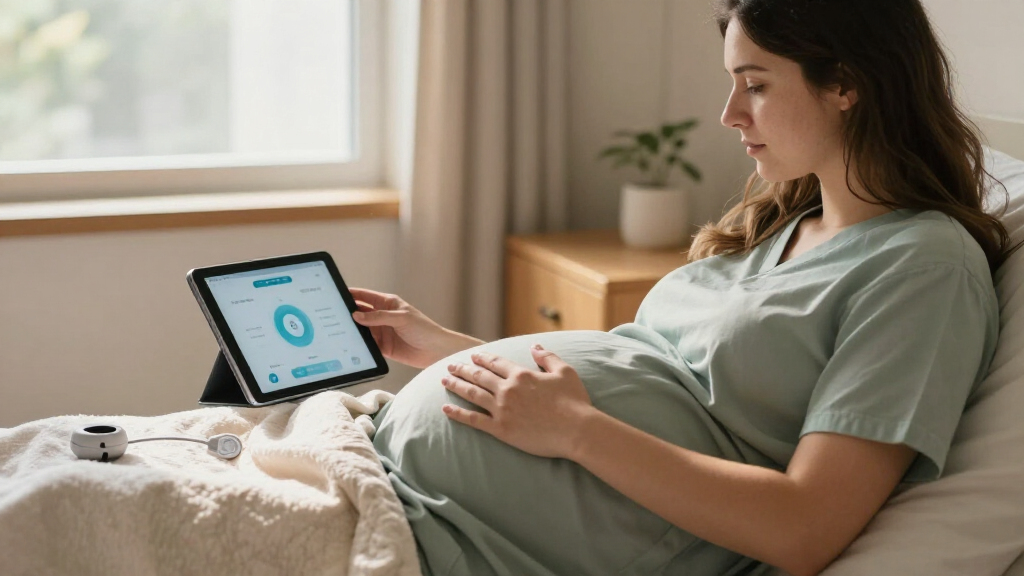
Housman writes that he and his wife could create embryos, but that repeated transfers did not result in a pregnancy. After doctors found no clear explanation, the couple received the label unexplained infertility. He says they used ChatGPT, which they nicknamed “Dr. Reid,” to discuss fertility questions that they felt could not fit into short appointments. Their questions included scan results, hormone levels, follicle counts, procedures and supplements.
According to Housman, the chatbot suggested that his wife have an MRI of her uterus. He says the couple had undergone numerous scans, tests and biopsies over the course of treatment but had not had that MRI. Their fertility doctor was initially reluctant, Housman writes, and the couple had to insist before it was ordered. The scan found a submucosal fibroid about 6 centimeters across, described in the account as a non-cancerous growth in the uterine wall.
Housman says the fertility doctor reviewed the images and determined the fibroid should be removed. The supplied account ends as the couple sought further guidance from the chatbot; it does not provide the outcome of surgery, any later fertility treatment or whether a pregnancy followed. The account also does not include medical records or an independent assessment of the diagnosis.
A Prompt for Further Medical Investigation
The episode illustrates one way patients may use chatbots: not necessarily to replace a clinician, but to generate questions or possible next steps when they feel a medical investigation has stalled. For this couple, Housman says, the suggestion led them to request an imaging test they had not previously received. The finding mattered to their care because their fertility doctor, after reviewing the MRI, recommended removing the fibroid.
That is different from showing that a chatbot can reliably diagnose infertility or recommend the right test for other patients. This is a single, self-reported case, and the essay offers no comparison group, clinical review or information about how often similar suggestions would be useful or misleading. The account supports a narrower takeaway: patients may bring AI-generated questions to their medical teams, but the decision to test or treat remains a clinical matter.
As an affiliate, we earn on qualifying purchases.
Six Years of Unexplained Infertility
Housman describes a long fertility journey in which the couple could produce embryos but experienced repeated unsuccessful transfers. He says doctors had not identified a cause and that the couple felt they received limited time for detailed questions during appointments. They began turning to ChatGPT after GPT-4 became available, initially prompting it to respond as a doctor in a television medical drama because, he writes, the model had sometimes declined to answer medical questions directly.
In the essay, Housman says the couple compared some of the chatbot’s responses with those of their doctors and found them consistent. He also acknowledges errors: on one occasion, he says, the chatbot misread an ultrasound and told them his wife was pregnant. That example underscores that the model’s confident or helpful-sounding answers were not a substitute for professional interpretation. The MRI suggestion stands out in his account because it led to a finding that the couple says their previous workup had missed.
“That’s when our LLM doctor stepped in.”
— Drew Housman, guest essayist
As an affiliate, we earn on qualifying purchases.
Cause and Treatment Outcome Unknown
The essay does not establish whether the fibroid was responsible for the failed embryo transfers, whether its removal improved the couple’s prospects or what happened after the scan. It also does not explain why the earlier workup did not include an MRI, beyond Housman’s recollection that the option appeared once in office notes but was not emphasized. The fertility doctor’s reasoning for initially discouraging the test is not reported.
The account is a personal narrative rather than an independently reviewed medical report. It does not provide the couple’s full records, a clinician’s detailed rationale or evidence that ChatGPT’s suggestion would be appropriate in comparable cases. Housman also reports that the chatbot sometimes misinterpreted medical information, a limitation that matters when readers consider using general-purpose AI for health questions.
As an affiliate, we earn on qualifying purchases.
Further Care Is Not Reported
The source material does not say whether the fibroid was removed, what treatment followed or whether the couple later became pregnant. It gives no planned follow-up date or next clinical milestone. The immediate next steps in the account therefore remain with the couple and their fertility team, including decisions about treatment after the MRI finding.
For readers, the reported episode is best understood as a reason to discuss persistent questions with a qualified clinician, not as a recommendation that every person experiencing infertility request an MRI. Whether a particular test is appropriate depends on an individual’s history and medical assessment; the essay supplies no general clinical guidance.
As an affiliate, we earn on qualifying purchases.
Key Questions
What did ChatGPT suggest?
According to Drew Housman’s account, the chatbot suggested an MRI of his wife’s uterus during their fertility workup.
What did the MRI find?
Housman says it found a submucosal fibroid about 6 centimeters across. He describes it as a non-cancerous growth in the uterine wall.
Did the fibroid cause the failed embryo transfers?
The supplied account does not establish that. It reports the MRI finding, but does not provide a clinical determination that the fibroid caused the couple’s unsuccessful transfers.
Did removing the fibroid lead to a pregnancy?
The source material does not report whether the fibroid was removed or whether the couple later became pregnant.
Does this show that ChatGPT can diagnose infertility?
No. It is a single personal account, not a clinical study or independently assessed diagnosis. Housman also describes an occasion when the chatbot misread an ultrasound.
Source: rss
Fall Picks
fall essentials
As an affiliate, we earn on qualifying purchases.