TL;DR

Prime made for students and young adults
- Fast, free delivery for dorm and study essentials
- Prime Video and Amazon Music included
- Member-only deals
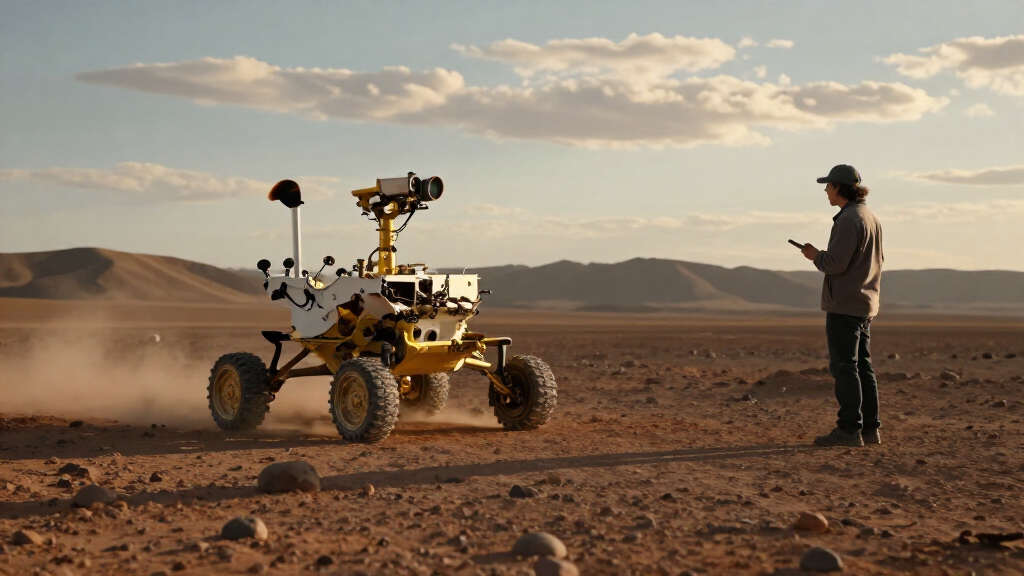
NASA’s Curiosity rover captured its first high-altitude twilight clouds of the Martian autumn in late-afternoon images at Gale Crater. The Oct. 9–week plan also included a further laboratory analysis of a Basque Lakes drill sample before the rover was set to drive toward the Chiu Chiu region.
NASA’s Curiosity rover captured its first high-altitude twilight clouds of the Martian autumn in late-afternoon Navcam images at Gale Crater, according to a mission update covering sols 5036–5042. The observations came as the rover wrapped up a drill campaign at Basque Lakes and prepared to drive toward the Chiu Chiu region, where scientists had previously seen distinctive crystal forms.
The report was written by Alex Innanen, an atmospheric scientist at York University, and published by NASA on Oct. 19. It describes a plan whose Earth planning date was Friday, Oct. 9, 2026. The team had observed the new clouds in late-afternoon cloud movies taken on Wednesday of that planning week. NASA’s post says the images show the first high-altitude clouds of the season; it does not report a measurement of their altitude or composition.
Curiosity’s work at Basque Lakes continued alongside the atmospheric observations. After reviewing results from earlier laboratory activities, the rover’s SAM instrument team chose an additional GCMS experiment, using gas chromatography and mass spectrometry to analyze material from the drill sample. The plan also included Mastcam and ChemCam remote sensing and contact science on the drill tailings—the rock and mineral material left after drilling.
The weekend plan set aside more sols to finish drill-related work and collect any remaining science targets at Basque Lakes before a drive back toward Chiu Chiu. The blog describes this as planned rover activity, not as confirmation that the drive had already taken place. It also notes that the late-afternoon cloud images were visible in raw Navcam imagery, unlike many clouds around Gale Crater, which are too thin to see directly.
Clouds Mark the Martian Autumn
The images give the mission team a seasonal atmospheric observation while Curiosity continues its geological work. NASA says high-altitude twilight clouds return in autumn, when the low Sun near sunset illuminates them. The early-season sighting records that this activity had begun at Gale Crater, although the post does not quantify how often the clouds appeared or how their abundance compared with earlier years.
These observations matter because the rover can watch local sky conditions from the Martian surface while collecting data on rocks and minerals. The report distinguishes the visible twilight clouds from the more common suboptical clouds, which are too thin to be seen by human eyes or Curiosity’s cameras. The images are therefore a clear visual observation, but not a complete inventory of clouds in the atmosphere.
The update also shows how atmospheric and geological work share the rover’s limited planning time. The team fitted an additional SAM analysis and several imaging and contact-science activities into a plan that also made room for seasonal cloud movies. NASA’s account does not say that the clouds altered the drill schedule or the planned route.
As an affiliate, we earn on qualifying purchases.
A New Martian Year at Gale
Mars year 39 began at the northern hemisphere’s vernal equinox, which the report places at the end of September on Earth. Mars seasons are tracked using solar longitude, or Ls: a full orbit spans 360 degrees, with each of the four seasons covering 90 degrees. The new year begins at Ls 0°.
Gale Crater lies just south of Mars’ equator, so the new year’s start corresponded to autumn there. The team had marked the occasion with its ongoing drill campaign at Basque Lakes. The sols 5036–5042 update then described the final planned activities at that site and the expected drive toward Chiu Chiu. Innanen’s post says autumn cloud activity is expected to pick up as the season progresses; that is a seasonal expectation, not a reported measurement of a future increase.
As an affiliate, we earn on qualifying purchases.
Details the Images Do Not Establish
NASA’s post does not give the clouds’ precise altitude, composition, thickness, or duration, and it provides no numerical count or comparison with cloud activity in previous Martian autumns. It reports that the clouds were visible in raw Navcam images, but does not include a quantitative analysis of the imagery in the text.
The report also describes rover activities in a plan rather than documenting every outcome. It says the team planned an additional GCMS experiment, more science at Basque Lakes and a weekend drive toward Chiu Chiu. The post does not confirm in this account whether each planned activity was completed, what the additional analysis found, or when the drive occurred.
As an affiliate, we earn on qualifying purchases.
Basque Lakes Work and the Drive
The plan called for Curiosity to complete remaining drill-site science at Basque Lakes, including the additional laboratory experiment and any final contact or remote-sensing targets, before driving toward the Chiu Chiu region. The mission update does not provide a later status report confirming those steps or a date for arrival.
On the atmospheric side, the team expected twilight cloud activity to increase as Martian autumn progressed and said it would continue watching the sky. Future cloud movies and mission updates may add observations, but the Oct. 19 post does not specify a schedule for the next report or a target number of observations.
As an affiliate, we earn on qualifying purchases.
Key Questions
What did Curiosity observe?
The rover’s late-afternoon Navcam cloud movies captured the first high-altitude twilight clouds of the season reported at Gale Crater. NASA said the clouds were visible in raw images.
When were the observations made?
The update covers sols 5036–5042 and gives Oct. 9, 2026, as the Earth planning date. It says the cloud movies were taken on Wednesday of that planning week; NASA published the post on Oct. 19.
What was Curiosity doing at Basque Lakes?
The rover was finishing a drill campaign. The plan included another SAM gas chromatography and mass spectrometry experiment, imaging, and contact science on leftover drill material.
Where was Curiosity expected to go next?
The team planned a drive from Basque Lakes toward the Chiu Chiu region, where the report says scientists had seen distinctive crystal forms. The blog does not confirm the drive’s completion or arrival date.
What remains unknown about the clouds?
The post does not report their exact altitude, composition, thickness, or frequency, nor does it compare their abundance with observations from earlier years.
Source: primary
Evergreen bestsellers Picks
bestsellers
As an affiliate, we earn on qualifying purchases.