

To reduce your attack surface quickly, focus on data minimization by collecting only essential information, which limits vulnerabilities and builds user trust. Review your data collection points, eliminating unnecessary details like phone numbers if email suffices, and provide users control over their data. Implement secure practices like anonymization and role-based access. Mastering these steps in just 15 minutes can markedly boost security and compliance—keep exploring for more effective strategies.
Key Takeaways
- Limit data collection to only what is essential for the service or transaction.
- Regularly review and delete unnecessary or outdated personal data.
- Use secure, role-based access controls to restrict data exposure.
- Clearly communicate data collection purposes and obtain user consent upfront.
- Implement anonymization or pseudonymization techniques to protect sensitive information.

Have you ever wondered if collecting only the data you really need could protect your privacy better? In today’s digital world, companies gather vast amounts of personal data, often more than necessary, which increases the risk of breaches and misuse. Data minimization is about intentionally limiting the amount of personal data you collect and retain, reducing your attack surface and safeguarding user privacy. When you adhere to this principle, you’re not only respecting individual rights but also aligning with best practices and legal obligations like GDPR or CCPA. One key aspect is understanding and applying clear privacy policies that specify exactly what data is necessary and why. By doing so, you communicate transparency to your users, building trust and setting expectations right from the start.
Your privacy policies should reflect a commitment to data minimization, explicitly stating that you only collect the information essential for your service. This means evaluating each data collection point critically—do you truly need a user’s phone number, or is an email enough? Avoid gathering data “just in case” or for future use that isn’t clearly defined. When you limit data collection, you lower the chances of exposing sensitive personal data in case of a breach, making your system inherently more secure. It’s crucial to review your data collection practices regularly, ensuring they remain aligned with your current needs and privacy commitments. Additionally, understanding the importance of vetted data collection practices helps you stay compliant and protect user information effectively.
Implementing data minimization isn’t just about policy; it’s about practical steps. Design your forms and user interfaces to request only the minimum information necessary, and give users control over their data, including options to update or delete it. Use techniques like pseudonymization or anonymization when possible, which further protect personal data by removing direct identifiers. Also, train your team to understand the importance of data minimization and ensure they follow procedures that limit data access to only what’s needed for their role.

Synology 4-Bay DiskStation DS423 (Diskless)
Secure private cloud - Safely access and share files and media from anywhere, and keep friends, partners, or...
As an affiliate, we earn on qualifying purchases.
Frequently Asked Questions
How Does Data Minimization Impact Customer Privacy Rights?
Data minimization enhances your customer’s privacy rights by limiting the amount of personal information you gather and store. This approach guarantees privacy compliance and reduces the risk of data breaches. When you prioritize minimal data collection, your customers trust you more because you respect their privacy and handle their data responsibly. Ultimately, it strengthens your reputation and fosters long-term loyalty by showing you value their privacy rights.
What Are Common Challenges Implementing Data Minimization Strategies?
You might face challenges like balancing data retention needs with minimizing data, which can be tricky. Implementing data minimization strategies requires consistent employee training so everyone understands what data to collect and retain. Additionally, outdated systems or policies may hinder efforts, making it harder to reduce data effectively. Addressing these challenges involves clear policies, ongoing staff education, and regular audits to guarantee you’re effectively limiting data collection and retention.
Can Data Minimization Conflict With Business Analytics Needs?
Yes, data minimization can conflict with your business analytics needs. When you limit data collection and storage to reduce risk, you might restrict the depth of insights you can gain. You need to balance collecting enough data for meaningful analytics while minimizing your attack surface. Focus on collecting only essential data and anonymizing it where possible, so you don’t compromise your analytics capabilities or security.
How Often Should Data Minimization Policies Be Reviewed?
A stitch in time saves nine, so you should review your data minimization policies at least annually. Regular reviews ensure your data retention practices stay aligned with evolving regulations and business needs. Incorporate employee training to reinforce best practices, preventing unnecessary data collection. This proactive approach minimizes risks and keeps your organization secure. Don’t forget, frequent reviews help you adapt quickly and maintain a lean, effective data management system.
What Tools Assist With Effective Data Minimization Practices?
You can use tools like encryption protocols and data masking to assist with effective data minimization practices. Encryption protocols protect sensitive data during storage and transfer, reducing exposure. Data masking conceals personal information, minimizing the amount of data accessible to unauthorized users. These tools help you limit data access, comply with privacy regulations, and reduce your attack surface, making your security measures more robust and manageable.

UGREEN NAS DH4300 Plus 4-Bay Desktop NASync, Support Capacity 128TB (Diskless), Remote Access, AI Photo Album, Beginner Friendly, 8GB LPDDR4X RAM, 2.5GbE, 4K HDMI, Network Attached Storage (Diskless)
Entry-level NAS Home Storage: The UGREEN NAS DH4300 Plus is an entry-level 4-bay NAS that's ideal for home...
As an affiliate, we earn on qualifying purchases.
Conclusion
By reducing the data you collect, you limit your vulnerabilities. By controlling the data you store, you minimize your risks. And by regularly reviewing your data practices, you enhance your security. Data minimization isn’t just a strategy—it’s a mindset. Embrace it to protect your organization, to strengthen your defenses, and to build trust with your users. Make data minimization your habit, your shield, and your safeguard against potential threats.

Firewalla: Cyber Security Firewall for Home & Business, Protect Network from Malware and Hacking | Smart Parental Control | Block Ads | VPN Server and Client | No Monthly Fee (Purple SE)
COMPATIBILITY - This is * Firewalla Purple SE*. The IPS functionality is limited to 500 Mbits. This device...
As an affiliate, we earn on qualifying purchases.
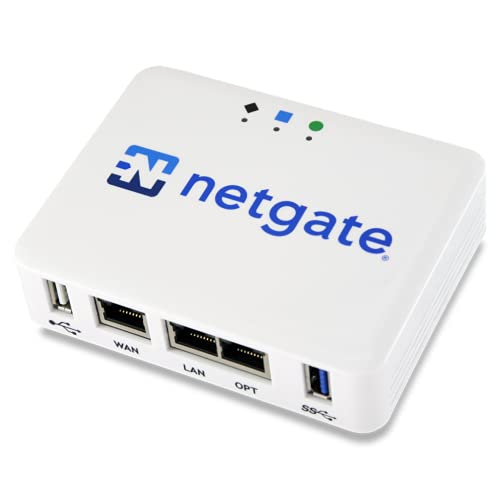
Netgate 1100 pfSense+ Security Gateway | VPN, Router, Firewall | Lifetime TAC Lite Support | 3X 1 GbE Ports | Protect Your Network with This Fully Featured, Professional Network Security Appliance.
BUSINESS READY - pfSense+ software updates included for product lifetime. Netgate TAC Lite technical support included. One year...
As an affiliate, we earn on qualifying purchases.