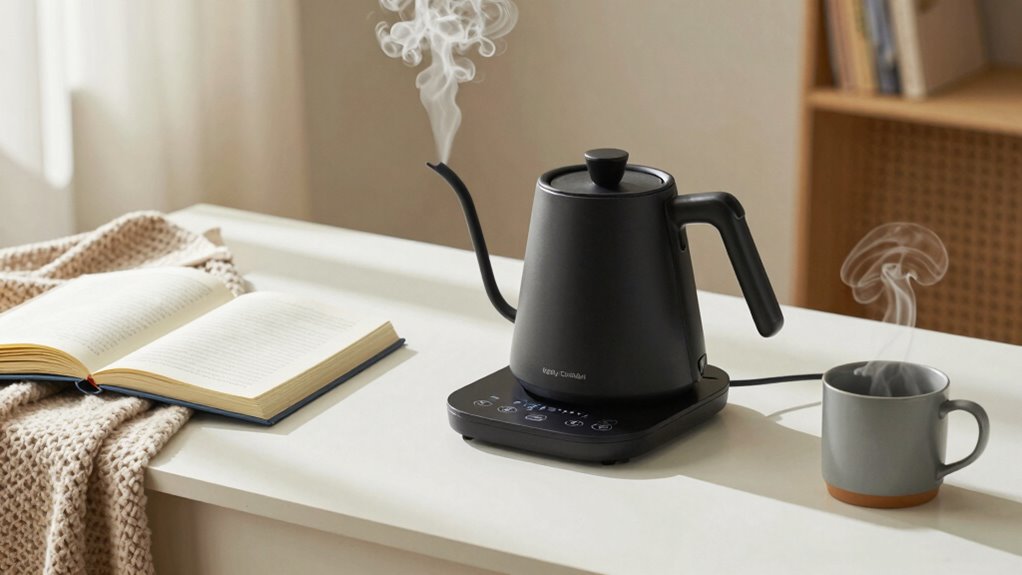

To stay effective, your daily comfort tools need habit support because integrating them into your routines makes their use automatic and reliable. When you consistently practice habits around these tools, they become an integral part of your emotional resilience, providing stability during stressful times. Without this support, they risk being forgotten or underused, reducing their benefits. Keep exploring to discover how building habits can strengthen your well-being and guarantee your comfort tools stay useful when you need them most.

Prime made for students and young adults
- Fast, free delivery for dorm and study essentials
- Prime Video and Amazon Music included
- Member-only deals
Key Takeaways
- Habit support ensures comfort tools are used consistently, maintaining their effectiveness over time.
- Regular routines turn comfort tools into automatic behaviors, reducing effort during emotional distress.
- Consistent use through habits reinforces their role in emotional resilience and mental well-being.
- Embedding comfort tools into daily routines prevents forgetting or underutilizing them.
- Long-term habits help sustain the benefits of comfort tools during life’s uncertainties.
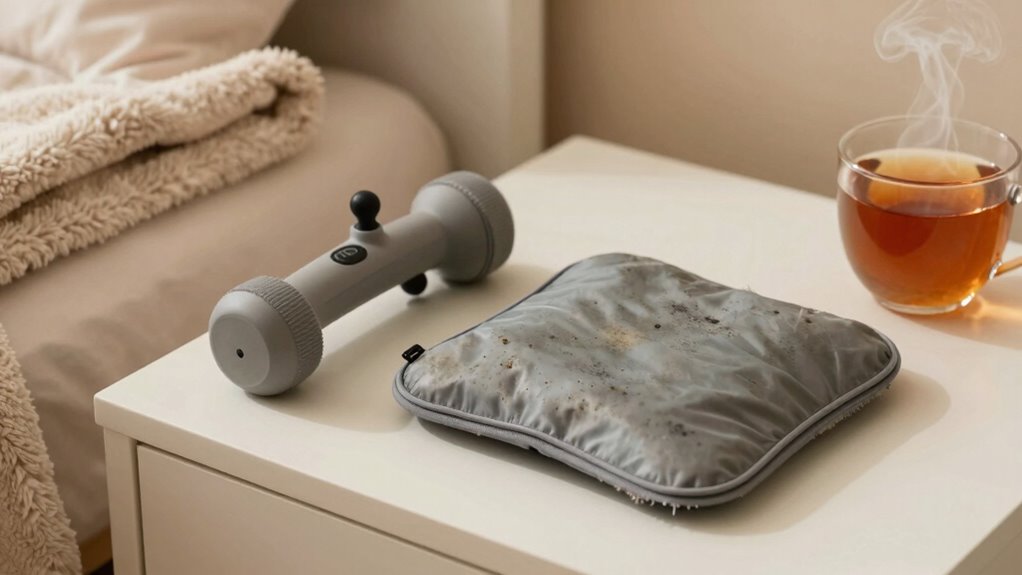
Creating habits around daily comfort tools can considerably improve your overall well-being and streamline your routine. When you make these tools part of your daily routines, you’re more likely to rely on them consistently, which boosts your emotional resilience. Emotional resilience is essential for managing stress, bouncing back from setbacks, and maintaining a sense of stability amid life’s uncertainties. Without habit support, even the most helpful comfort tools can become forgotten or underused, leaving you vulnerable to unnecessary tension and discomfort.
The key to keeping your daily comfort tools useful is developing a routine that integrates them seamlessly into your day. For example, if you find that journaling helps you process your emotions, scheduling a specific time each evening to write can turn it into an automatic part of your nightly wind-down. When these tools become habitual, they require less conscious effort, making it easier for you to access their benefits during moments of emotional strain. This consistent use reinforces their value, making them more resilient to the chaos of your daily life. Recognizing the importance of routine can motivate you to establish lasting habits that sustain your well-being. Additionally, understanding the power of consistency can motivate you to develop habits that foster long-term mental wellness.
Establishing habits around your comfort tools also fosters a sense of control and stability. When you know that engaging in a calming activity or practicing mindfulness is part of your routine, you create a dependable foundation that anchors your daily experience. This predictability can reduce anxiety and improve your overall emotional resilience, helping you face challenges with greater ease. The consistency makes these tools more than just quick fixes; they become integral to your self-care strategy. Moreover, habit formation plays a crucial role in ingraining these practices into your lifestyle, ensuring they become sustainable over time.
In the end, habit support is vital for the long-term usefulness of your daily comfort tools. Making them a regular part of your routines transforms them from occasional aids into reliable sources of comfort and strength. This consistency not only enhances your emotional resilience but also makes your daily life smoother and more balanced. When your comfort tools are supported by habits, they’re more likely to serve you well during both calm and stormy times, helping you maintain your well-being in a sustainable way.
As an affiliate, we earn on qualifying purchases.
Frequently Asked Questions
How Do I Identify Which Comfort Tools Need Habit Support?
You can identify which comfort tools need habit support by paying attention to emotional triggers that make you seek them. Notice if certain tools become less effective over time or if you forget to use them during stressful moments. You might also see that incorporating them into your personal routines helps reinforce their use. When a tool no longer feels automatic or helpful, it’s a sign you need to strengthen the habit around it.
What Are the Best Ways to Build a Daily Habit?
To build a daily habit, imagine waking up to a cozy, inviting space where your comfort tools are within reach. Use motivational triggers like a calming playlist or a specific time each day, and set environmental cues—like placing your tools by your bed or on your desk. Consistency creates a rhythm, making it easier for your brain to recognize these cues and turn the action into a natural part of your day.
How Long Does It Typically Take to Establish a New Habit?
It typically takes about 21 to 66 days to establish a new habit, but this varies based on your consistency. To speed this up, you should use clear habit triggers and motivation strategies, like pairing the new habit with an existing routine or rewarding yourself. Staying committed and mindful of your triggers helps reinforce the behavior, making it easier to turn into a lasting part of your daily life.
Can Habit Support Vary for Different Types of Comfort Tools?
Yes, habit support can vary for different comfort tools. You tailor personalization strategies to match each tool’s purpose, whether it’s calming, energizing, or grounding. You identify emotional triggers that reinforce consistent use and foster stronger habits. You adapt your approach by adjusting routines, reminders, or environments, ensuring each tool resonates uniquely with your needs. You recognize that customizing support keeps your comfort tools effective and meaningful, strengthening your habits over time.
What Common Mistakes Hinder Habit Formation for Comfort Tools?
You might struggle with habit formation for comfort tools if you don’t focus on overcoming resistance and reinforcing routines. Common mistakes include skipping daily use, setting unrealistic goals, or relying solely on motivation. To build lasting habits, you need to stay consistent, make routines easy to follow, and actively overcome resistance. Reinforcing your habits daily helps embed these tools into your routine, ensuring they remain helpful when you need them most.
As an affiliate, we earn on qualifying purchases.
Conclusion
So, next time you rely on your favorite comfort tool, remember—it might be just as dependent on habit support as you are. Ironically, what keeps it useful isn’t some fancy technology, but your consistent effort to nurture that habit. Without it, that cozy tool could become just another forgotten relic, leaving you comfortless and wondering why your daily routine feels so hollow. Sometimes, the biggest comfort is simply sticking with what works—regularly.
As an affiliate, we earn on qualifying purchases.
As an affiliate, we earn on qualifying purchases.
Columbus Day / Indigenous Peoples' Day Picks
long weekend sales
As an affiliate, we earn on qualifying purchases.