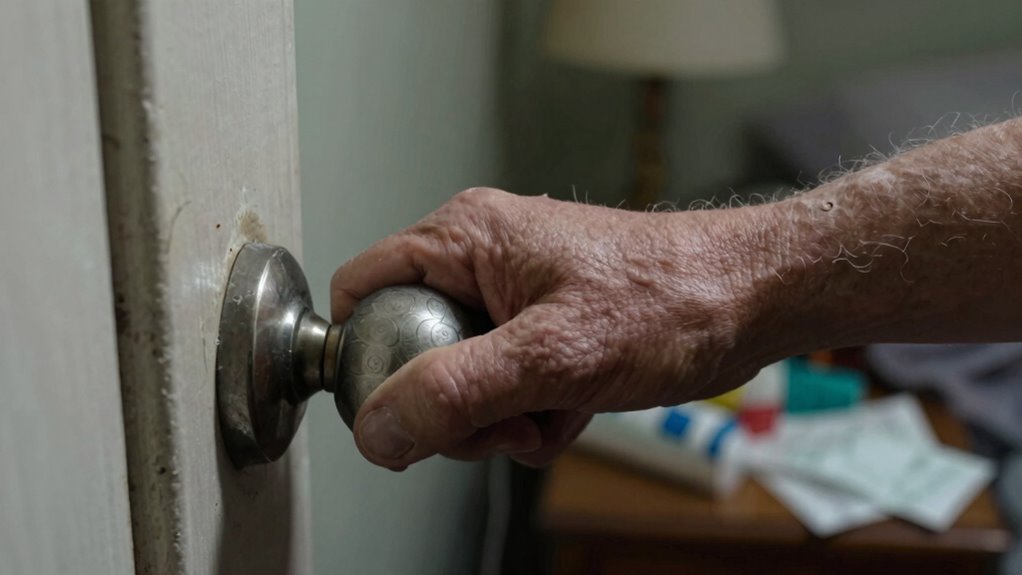

Your success with home recovery depends more on reducing daily obstacles—friction—than on motivation. Small hurdles, like having recovery tools out of reach or a cluttered space, make it harder to stick to routines. Environment cues, like placing yoga mats or healthy snacks nearby, help turn efforts into automatic habits. When your surroundings support your goals, recovery becomes smoother and less mentally tiring. Keep exploring how tweaking your environment can make persistence feel effortless.

Prime made for students and young adults
- Fast, free delivery for dorm and study essentials
- Prime Video and Amazon Music included
- Member-only deals
Key Takeaways
- Recovery relies more on environmental support and reducing obstacles than on motivation alone.
- Small environmental barriers create friction, making routines harder to maintain.
- Habit formation through cues simplifies recovery actions, reducing mental effort.
- Well-designed surroundings encourage consistent behaviors by minimizing decision fatigue.
- Transforming recovery into automatic routines depends on environmental cues, not just motivation.

Recovery at home often hinges less on sheer motivation and more on overcoming everyday friction. When you’re trying to recover, your biggest challenge isn’t usually a lack of desire but the small obstacles that stand between you and your routines. These obstacles are often rooted in how easily your environment supports or hampers your efforts. That’s where habit formation and environmental cues come into play. Instead of relying solely on motivation, you can set up your surroundings to make healthy choices automatic. When your environment naturally nudges you toward positive behaviors, recovery becomes less about willpower and more about smooth, consistent action.
Creating habits is essential because they turn recovery tasks into automatic responses. For example, if you want to do gentle stretches every morning, place your yoga mat or stretch band right beside your bed. This small environmental cue makes it easier to remember and initiate the habit without mental effort. Over time, these repeated actions become ingrained, reducing the friction of starting each day with your recovery routine. The key is consistency—by making the desired behavior the default, you diminish the mental resistance that often hampers progress. When habits are well-established, you won’t have to consciously remind yourself every day; your body and mind will simply follow the cues you’ve set.
Establish routines by placing cues nearby to turn recovery tasks into automatic, effortless actions.
Environmental cues are powerful because they shape your behavior subtly but effectively. Think about how you can modify your surroundings to support your recovery goals. If you’re trying to eat healthily, keep nutritious snacks visible and accessible while hiding less healthy options. If you need to rest, create a comfortable, inviting space dedicated to relaxation. These small adjustments reduce decision fatigue, making it easier to act in alignment with your recovery plan. Additionally, understanding habit formation helps you design routines that stick over time. The more your environment encourages your goals, the less friction you encounter. You might also consider the importance of environmental support in maintaining long-term habits, as it plays a crucial role in minimizing obstacles and sustaining progress. Recognizing the significance of behavioral cues can further enhance your ability to develop effective routines. Moreover, aligning your environment with your behavioral patterns can lead to more sustainable recovery habits over the long term.
Ultimately, recovery at home is less about summoning motivation each day and more about designing your environment to support your goals. When environmental cues and habits are aligned, they reduce the mental effort needed to stick with your routines. This approach transforms recovery from a constant battle of motivation into a series of seamless, almost automatic actions. By setting up your surroundings thoughtfully, you make it easier for yourself to stay consistent, turning small daily choices into powerful steps toward full recovery.
As an affiliate, we earn on qualifying purchases.
Frequently Asked Questions
How Can I Reduce Friction During Home Recovery?
To reduce friction during home recovery, focus on building mental resilience and gathering social support. Create a structured routine that keeps you engaged and minimizes uncertainty. Reach out to friends, family, or support groups regularly—they can boost your motivation and provide emotional encouragement. Make your environment comfortable and accessible, reducing physical obstacles. By strengthening your mental resilience and leaning on your social network, you’ll find recovery smoother and more manageable.
What Role Does Environment Play in Recovery Friction?
The environment acts like a double-edged sword, shaping your recovery journey. Environmental factors, such as clutter or noise, can create friction, making it harder to stay on track. Social support is your anchor, providing encouragement when the waves threaten to pull you under. By optimizing your surroundings and surrounding yourself with positive influences, you reduce friction and make home recovery smoother and more sustainable.
Are There Specific Tools to Ease Recovery Challenges?
Yes, you can use support systems like virtual check-ins or accountability partners to ease recovery challenges. Technological aids, such as reminder apps, health tracking devices, and online resources, help you stay organized and motivated. These tools create a structured environment, reducing friction by providing continuous encouragement and practical assistance. Incorporating support systems and tech aids into your routine makes home recovery smoother and more manageable.
How Long Does Recovery Friction Typically Last?
Recovery friction usually lasts a few weeks to a couple of months, like a storm gradually clearing. During this time, your emotional resilience is tested, and social support plays an essential role. The more you lean on friends, family, or support groups, the faster you’ll navigate the challenges. Patience and persistence help you push through the rough patches, making the process smoother and leading to a stronger, more resilient you.
Can Motivation Overcome All Recovery Friction?
Motivation alone can’t overcome all recovery friction because intrinsic motivation fluctuates and isn’t always enough to sustain effort. Instead, focus on habit formation, which creates automatic behaviors that reduce resistance over time. When you build consistent routines, recovery becomes less about motivation and more about ingrained habits, making it easier to stay committed despite setbacks. Overcoming friction requires both motivation and the steady development of habits.
healthy snacks storage containers
As an affiliate, we earn on qualifying purchases.
As an affiliate, we earn on qualifying purchases.
Conclusion
Remember, home recovery isn’t about finding the motivation you think you lack. It’s about overcoming the friction—those small, persistent obstacles that slow you down, the doubts that hold you back, and the routines that feel like barriers. Embrace the process, break through the resistance, and keep moving forward. Because when you focus on easing the friction, you’ll find that motivation naturally follows, guiding you step by step, obstacle by obstacle, toward your recovery.
As an affiliate, we earn on qualifying purchases.
As an affiliate, we earn on qualifying purchases.
Halloween Picks
halloween
As an affiliate, we earn on qualifying purchases.