

Searching for the best educational science reference books in 2026? The ideal choice depends on whether you’re seeking comprehensive coverage, engaging visuals, or beginner-friendly explanations. The Complete Middle School Study Guide stands out as the best overall for its thorough, accessible content, while Science: The Definitive Visual Guide offers stunning visuals that captivate curious learners. A key tradeoff in this category is balancing depth with readability—more detailed books can become overwhelming, while simpler guides may lack comprehensive coverage. Keep reading for a detailed breakdown of these top options and how they fit different learning needs.

Get school and study supplies delivered free — and shop member deals
- Fast, free delivery on millions of items
- Access to Prime Big Deal Days deals on October 6–7
- Prime Video, Amazon Music and more included
Key Takeaways
- The top-ranked books balance visual appeal with accurate, accessible science explanations.
- Books aimed at younger learners tend to simplify concepts but may lack depth needed for advanced study.
- Visual guides with multimedia components enhance engagement but often come at a higher cost.
- Comprehensive encyclopedias excel for in-depth research, yet they can be overwhelming for casual learners.
- Quality build and layout matter; sturdy bindings and clear layouts improve usability over time.
| Everything You Need to Ace Science in One Big Fat Notebook: The Complete Middle School Study Guide |  | Best Overall for Middle School Science Success | Target Audience: Middle school students | Format: Paperback | Coverage: Science concepts, practice questions | VIEW LATEST PRICE | See Our Full Breakdown |
| Sciencia: Mathematics, Physics, Chemistry, Biology, and Astronomy for All (Wooden Books, 37) |  | Best for Curiosity-Driven Beginners in Multiple Sciences | Target Audience: Beginners and young learners | Format: Paperback | Coverage: Mathematics, Physics, Chemistry, Biology, Astronomy | VIEW LATEST PRICE | See Our Full Breakdown |
| Science: The Definitive Visual Guide |  | Best for Visual Learners and In-Depth Exploration | Target Audience: Students, science enthusiasts | Format: Hardcover | Coverage: Scientific concepts, history, discoveries | VIEW LATEST PRICE | See Our Full Breakdown |
| The Usborne Science Encyclopedia: An In-depth Guide for Young Scientists Exploring Gravity, Flight, Genes, DNA and More, with Over 180 Video Clips and 1000 Recommended Websites for Further Learning |  | Best for Interactive Young Learners Ready for Multimedia Resources | Target Audience: Young learners, ages 8-12 | Format: Paperback | Coverage: Gravity, flight, genetics, DNA, more | VIEW LATEST PRICE | See Our Full Breakdown |
| Knowledge Encyclopedia Science! 2nd Edition |  | Best for Curious Readers and Visual Learners | Target Audience: Casual learners, students | Format: Hardcover | Coverage: Wide range of scientific topics | VIEW LATEST PRICE | See Our Full Breakdown |
| National Geographic Kids Science Encyclopedia: Atom Smashing, Food Chemistry, Animals, Space, and More! |  | Best for Visual Engagement and Broad Topics | Target Age: 8-12 years | Coverage: Chemistry, biology, space, and more | Illustrations: Colorful and engaging | VIEW LATEST PRICE | See Our Full Breakdown |
| Knowledge Encyclopedia Human Body! Human Anatomy as You’ve Never Seen It Before |  | Best for In-Depth Human Anatomy Exploration | Target Age: 12 years and up | Focus: Human anatomy and biology | Format: Hardcover | VIEW LATEST PRICE | See Our Full Breakdown |
| First Human Body Encyclopedia (DK First Reference) | 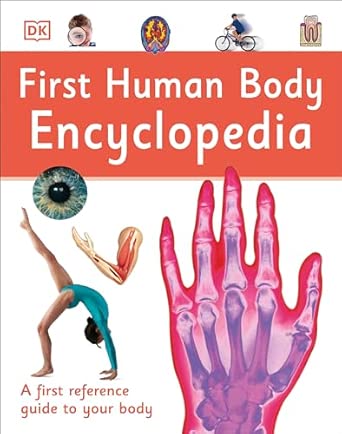 | Best for Young Children Starting Anatomy | Target Age: 6-10 years | Focus: Basic human anatomy for children | Format: Hardcover | VIEW LATEST PRICE | See Our Full Breakdown |
| The Elements Book: A Visual Periodic Table Encyclopedia for Kids |  | Best for Visual Chemistry Learning | Target Age: 8-12 years | Coverage: Periodic table and elements | Illustrations: Colorful and engaging | VIEW LATEST PRICE | See Our Full Breakdown |
| The Way Things Work: Newly Revised Edition |  | Best for Engineering and Machine Mechanics | Target Age: 10 years and up | Focus: Mechanics of machines and everyday objects | Format: Hardcover | VIEW LATEST PRICE | See Our Full Breakdown |
| Science Book: Everything You Need to Know About the World and How It Works |  | Best for General Audience Seeking Broad Understanding | Format: Paperback | Page Count: 256 pages | Intended Audience: General readers, students, families | VIEW LATEST PRICE | See Our Full Breakdown |
| educational science reference book | Format | Pages | Coverage | Illustrations |
|---|---|---|---|---|
| Everything You Need to Ace Sci | Paperback | 400+ | Science concepts, practice questions | — |
| Sciencia: Mathematics | Paperback | 128 | Mathematics, Physics, Chemistry, Biology, Astronomy | — |
| Science: The Definitive Visual | Hardcover | 352 | Scientific concepts, history, discoveries | — |
| The Usborne Science Encycloped | Paperback | — | Gravity, flight, genetics, DNA, more | — |
| Knowledge Encyclopedia Science | Hardcover | 480 | Wide range of scientific topics | — |
| National Geographic Kids Scien | Hardcover | Varies (not specified) | Chemistry, biology, space, and more | Colorful and engaging |
| Knowledge Encyclopedia Human B | Hardcover | Varies (not specified) | — | High-quality, detailed |
| First Human Body Encyclopedia | Hardcover | Not specified | — | Colorful and appealing |
| The Elements Book: A Visual Pe | Hardcover | Not specified | Periodic table and elements | Colorful and engaging |
| The Way Things Work: Newly Rev | Hardcover | Not specified | — | Informative and engaging |
| Science Book: Everything You N | Paperback | — | Physics, biology, earth sciences, chemistry | Colorful diagrams and photos |
More Details on Our Top Picks
Everything You Need to Ace Science in One Big Fat Notebook: The Complete Middle School Study Guide
This guide stands out for its comprehensive approach to middle school science, making it ideal for students who need a clear, engaging resource to build a solid foundation. Unlike the more visually intense Science: The Definitive Visual Guide, it emphasizes straightforward explanations and practice questions that reinforce understanding. While it excels at covering a wide range of topics, it doesn’t include detailed illustrations or advanced technical depth, which may limit its usefulness for more advanced learners. Its engaging style and focus on practice make it a reliable choice for middle school students aiming to excel in science classes.
Pros:- Comprehensive coverage of middle school science topics
- Engaging, easy-to-understand explanations
- Includes practice questions for reinforcement
Cons:- Lacks detailed visual aids and illustrations
- No advanced or college-level content
Best for: Middle school students who want a complete, easy-to-understand science review with practice questions
Not ideal for: High school students or adults seeking in-depth technical detail or advanced scientific concepts
- Target Audience:Middle school students
- Format:Paperback
- Coverage:Science concepts, practice questions
- Pages:400+
- Publication Year:2015
- Authors:Big Fat Notebooks Team
Our verdict“This guide is ideal for middle schoolers needing a thorough, engaging review to succeed in science class.”
Sciencia: Mathematics, Physics, Chemistry, Biology, and Astronomy for All (Wooden Books, 37)
This book excels at making the fundamental sciences accessible and inviting, especially for those new to scientific concepts. Compared with Knowledge Encyclopedia Science!, it offers a broader overview but with less technical depth or visual detail, which may suit absolute beginners better. Its compact size makes it highly portable, encouraging curiosity anywhere, but it sacrifices detailed diagrams and advanced explanations. This pick makes the most sense for curious readers who want a quick, approachable primer on multiple scientific fields without getting overwhelmed.
Pros:- Covers multiple sciences in one volume
- Accessible explanations suitable for newcomers
- Compact and portable design
Cons:- Limited technical depth and detail
- Few visual aids or diagrams
Best for: Beginners and curious learners seeking quick, accessible overviews of multiple sciences
Not ideal for: Readers looking for in-depth technical details or comprehensive visual guides
- Target Audience:Beginners and young learners
- Format:Paperback
- Coverage:Mathematics, Physics, Chemistry, Biology, Astronomy
- Pages:128
- Publication Year:2019
- Author:David A. Aguilar
Our verdict“This book is perfect for beginners eager to explore multiple scientific disciplines in a simple, portable format.”
Science: The Definitive Visual Guide
This guide excels with its extensive visual content, making complex scientific concepts more tangible through detailed illustrations. Compared with Everything You Need to Ace Science, it offers a richer visual experience but may lack the focused practice questions middle schoolers need. Its in-depth coverage appeals to students and enthusiasts who appreciate comprehensive visuals and broad scope, though lacking specific edition details can make assessing its current relevance difficult. This resource is ideal for visual learners and those seeking a detailed, illustrated overview of science topics.
Pros:- Extensive visual explanations and illustrations
- Thorough coverage of scientific topics
- Suitable for deep exploration and enthusiasts
Cons:- Lacks targeted practice questions
- Unclear edition or publication details
Best for: Students and enthusiasts who prefer learning through detailed visuals and in-depth explanations
Not ideal for: Young students or beginners who need straightforward summaries and practice questions
- Target Audience:Students, science enthusiasts
- Format:Hardcover
- Coverage:Scientific concepts, history, discoveries
- Pages:352
- Publication Year:2015
- Author:DK
Our verdict“This visual guide is best suited for learners who thrive on detailed imagery and want an in-depth understanding of science concepts.”
The Usborne Science Encyclopedia: An In-depth Guide for Young Scientists Exploring Gravity, Flight, Genes, DNA and More, with Over 180 Video Clips and 1000 Recommended Websites for Further Learning
This encyclopedia offers a wealth of science topics tailored for young learners, with multimedia tools like video clips and websites that foster interactive learning. In comparison to Knowledge Encyclopedia Human Body!, it covers a broader range of topics, making it ideal for curious kids exploring multiple fields. However, the content can be too advanced for very young children and may overwhelm those just starting out. Its multimedia approach encourages independent exploration, making it a strong choice for motivated young scientists eager to engage with science in varied formats.
Pros:- Wide coverage of science topics
- Includes over 180 video clips and 1,000 websites
- Encourages self-directed, interactive learning
Cons:- Content may be too advanced for very young children
- No specific price or user ratings available
Best for: Young learners eager to explore science topics through multimedia resources and interactive content
Not ideal for: Children very new to science or those needing simplified, beginner-level explanations
- Target Audience:Young learners, ages 8-12
- Format:Paperback
- Coverage:Gravity, flight, genetics, DNA, more
- Video Clips:Over 180
- Websites:1000+
- Publication Year:2020
Our verdict“This encyclopedia is ideal for young, motivated learners ready to dive into science with multimedia tools that make exploration engaging.”
Knowledge Encyclopedia Science! 2nd Edition
This edition provides a broad and engaging overview of scientific topics, with vibrant visuals and detailed explanations that appeal to curious readers. Compared with Science: The Definitive Visual Guide, its more recent publication and lively illustrations make it especially attractive for students seeking an accessible yet comprehensive resource. However, the lack of detailed specifications or edition features can make it harder to evaluate its current scope. It’s well-suited for students and lifelong learners who appreciate engaging visuals and want to broaden their understanding of science in an approachable format.
Pros:- Extensive coverage of scientific topics
- Engaging illustrations and visuals
- Suitable for curious learners and students
Cons:- No detailed edition features listed
- Lacks technical depth for advanced learners
Best for: Curious students and casual learners who enjoy visual content and broad scientific coverage
Not ideal for: Advanced students or educators requiring detailed technical or curriculum-specific material
- Target Audience:Casual learners, students
- Format:Hardcover
- Coverage:Wide range of scientific topics
- Pages:480
- Publication Year:2022
- Author:DK
Our verdict“This encyclopedia makes a compelling choice for inquisitive learners who prefer vibrant visuals and broad, approachable science content.”
National Geographic Kids Science Encyclopedia: Atom Smashing, Food Chemistry, Animals, Space, and More!
This encyclopedia stands out for its wide-ranging coverage of science topics, from chemistry to space, making it ideal for sparking curiosity in young learners. Compared with First Human Body Encyclopedia, which focuses narrowly on anatomy, this book offers a broader overview that can inspire a general interest in science. Its colorful illustrations and engaging facts make complex concepts accessible, but it may be too advanced for very young children or those just starting to explore science. The lack of detailed scientific explanations means it’s better as an introduction rather than a deep resource. For parents or educators seeking a visually stimulating, comprehensive science primer, this pick delivers broad appeal and vibrant learning.
Pros:- Wide range of science topics covered, sparking curiosity
- Colorful illustrations enhance understanding
- Engaging facts make complex ideas accessible
Cons:- Content may be too advanced for early elementary students
- Lacks detailed explanations for deeper learning
Best for: Kids aged 8-12 who enjoy colorful visuals and want an engaging overview of multiple science topics
Not ideal for: Very young children or students needing in-depth scientific detail or technical explanations
- Target Age:8-12 years
- Coverage:Chemistry, biology, space, and more
- Illustrations:Colorful and engaging
- Format:Hardcover
- Pages:Varies (not specified)
- Language:English
Our verdict“This encyclopedia is well-suited for children ready for broad, visually-rich science exploration but not for those seeking technical depth.”
Knowledge Encyclopedia Human Body! Human Anatomy as You’ve Never Seen It Before
This book excels at presenting detailed visuals of the human body, making complex anatomical concepts more accessible than in First Human Body Encyclopedia. It is especially suitable for older students or those with a keen interest in biology, offering richer illustrations and more comprehensive explanations. However, compared with The Elements Book, which simplifies chemistry with colorful visuals, this book emphasizes depth over simplicity, potentially overwhelming younger or casual readers. Its focus on detailed anatomy makes it less ideal for general science curiosity but perfect for dedicated learners seeking a thorough understanding of human biology. If your goal is to explore the human body intensely, this is a compelling choice.
Pros:- Visually engaging with detailed anatomical illustrations
- Provides comprehensive information on human biology
- Suitable for a wide age range of interested learners
Cons:- Lacks technical data or scientific references
- May be too complex for early elementary students
Best for: High school students or biology enthusiasts wanting detailed, visually-supported anatomy information
Not ideal for: Younger children or casual learners seeking basic facts, as the content can be quite detailed
- Target Age:12 years and up
- Focus:Human anatomy and biology
- Format:Hardcover
- Pages:Varies (not specified)
- Illustrations:High-quality, detailed
- Language:English
Our verdict“This book is best for serious learners who want a visually rich, detailed exploration of the human body but may be overwhelming for beginners.”
First Human Body Encyclopedia (DK First Reference)
This book provides a friendly, colorful introduction to the human body tailored for young readers, similar in purpose to The Elements Book but focused on anatomy instead of chemistry. Its simple language and engaging illustrations make it ideal for early learners, but it lacks the depth and scientific rigor found in more advanced texts like Knowledge Encyclopedia Human Body. If you’re looking for a basic, accessible entry point for children just beginning to explore biology, this is a solid choice. However, for older students or those seeking detailed scientific information, this book may feel too superficial.
Pros:- Bright, engaging illustrations suitable for young children
- Accessible language that simplifies complex ideas
- Good introductory resource for early learners
Cons:- Limited depth for older or more advanced learners
- Not suitable for detailed scientific study
Best for: Children aged 6-10 who need an accessible, colorful introduction to human anatomy
Not ideal for: Older students or those requiring comprehensive scientific details
- Target Age:6-10 years
- Focus:Basic human anatomy for children
- Format:Hardcover
- Pages:Not specified
- Illustrations:Colorful and appealing
- Language:English
Our verdict“This encyclopedia functions well as an early, engaging introduction to the human body but isn’t designed for in-depth learning or older students.”
The Elements Book: A Visual Periodic Table Encyclopedia for Kids
This book offers a vibrant, visually appealing overview of the periodic table, making chemistry accessible for young readers—similar in scope to The Way Things Work but focused on elements and chemical concepts. Its colorful illustrations and straightforward explanations help children grasp the basics of the periodic table, but it lacks detailed scientific explanations or advanced content that older students or serious learners might expect. Compared to more comprehensive science guides, this pick emphasizes visual learning over technical depth, making it ideal for beginners or those with a budding interest in chemistry. For those seeking a foundational understanding of elements, this is a compelling resource.
Pros:- Colorful, engaging illustrations of the periodic table
- Simplified explanations suitable for beginners
- Provides a solid foundation in chemical elements
Cons:- Lacks in-depth scientific detail
- Too basic for older or advanced students
Best for: Elementary or middle school students new to chemistry or visual learners
Not ideal for: High school students or advanced learners needing detailed scientific explanations
- Target Age:8-12 years
- Coverage:Periodic table and elements
- Illustrations:Colorful and engaging
- Format:Hardcover
- Pages:Not specified
- Language:English
Our verdict“This book is a perfect starting point for young learners interested in chemistry but not suitable for detailed or advanced study.”
The Way Things Work: Newly Revised Edition
This book excels at explaining how everyday machines and devices operate, making it a valuable resource for curious minds interested in engineering, similar to Knowledge Encyclopedia Human Body but focused on mechanics rather than biology. Its clear, engaging explanations make complex concepts accessible across age groups, though it may be too basic for those seeking in-depth technical details. Updated with new content, it offers a broad overview suitable for middle school students, hobbyists, or anyone fascinated by how things work. However, its lack of detailed schematics or technical specifications limits its use for advanced engineering or technical study. For general curiosity about mechanics and devices, this book remains a highly engaging choice.
Pros:- Clear, engaging explanations of machines and devices
- Suitable for all ages with an interest in how things work
- Updated with fresh content for modern devices
Cons:- No detailed technical schematics or specifications
- May be too basic for advanced engineers or technicians
Best for: Middle school students, educators, or hobbyists interested in basic engineering principles
Not ideal for: Readers seeking technical schematics or advanced engineering content
- Target Age:10 years and up
- Focus:Mechanics of machines and everyday objects
- Format:Hardcover
- Pages:Not specified
- Illustrations:Informative and engaging
- Language:English
Our verdict“This book provides a broad, engaging overview of mechanical principles ideal for general curiosity but not for technical professionals.”
Science Book: Everything You Need to Know About the World and How It Works
This book stands out for its accessible approach to explaining complex scientific concepts, making it an excellent choice for readers who want a broad overview without getting bogged down in technical details. Unlike The Elements Book, which dives deep into the periodic table, this book offers a more narrative-driven exploration of science, appealing to those who prefer understanding the ‘how’ and ‘why’ over memorization. Its comprehensive coverage includes topics from physics to biology, providing a solid foundation for curious minds. However, its lack of detailed technical depth makes it less suitable for advanced learners or those seeking in-depth reference material. It’s ideal for students, parents, or lifelong learners who want an approachable guide to the natural world without requiring specialized knowledge.
Pros:- Clear, accessible explanations suitable for a wide age range
- Broad coverage of scientific topics from physics to ecology
- Engages readers with relatable language and examples
Cons:- Lacks detailed technical or experimental information
- No specific edition or author details, which may affect credibility for some users
Best for: General readers or beginners interested in a foundational understanding of science across multiple disciplines
Not ideal for: Advanced students or professionals needing detailed technical reference or in-depth scientific data
- Format:Paperback
- Page Count:256 pages
- Intended Audience:General readers, students, families
- Coverage:Physics, biology, earth sciences, chemistry
- Illustrations:Colorful diagrams and photos
- Publisher:Workman Publishing
Our verdict“This book is best suited for curious learners seeking a comprehensive but accessible introduction to science fundamentals.”

How We Picked
We evaluated each book based on clarity of explanations, visual quality, breadth of coverage, suitability for different age groups, and overall value. Books that combine engaging visuals with accurate scientific content ranked higher, as they foster better understanding and sustained interest. We also considered user-friendliness, durability, and supplementary resources like online content or multimedia components. Our goal was to identify books that serve both casual learners and those seeking more in-depth knowledge, ensuring each selection offers a meaningful learning experience with minimal tradeoffs.| educational science reference book | Format | Illustrations |
|---|---|---|
| Everything You Need to Ace Sci | Paperback | — |
| Sciencia: Mathematics | Paperback | — |
| Science: The Definitive Visual | Hardcover | — |
| The Usborne Science Encycloped | Paperback | — |
| Knowledge Encyclopedia Science | Hardcover | — |
| National Geographic Kids Scien | Hardcover | Colorful and engaging |
| Knowledge Encyclopedia Human B | Hardcover | High-quality, detailed |
| First Human Body Encyclopedia | Hardcover | Colorful and appealing |
| The Elements Book: A Visual Pe | Hardcover | Colorful and engaging |
| The Way Things Work: Newly Rev | Hardcover | Informative and engaging |
| Science Book: Everything You N | Paperback | Colorful diagrams and photos |
Factors to Consider When Choosing Educational Science Reference Books
Choosing the right educational science reference book involves considering several key factors. Beyond content accuracy, visual appeal, and age appropriateness, other elements like layout, supplementary resources, and durability significantly influence the learning experience. Understanding these factors can help you select a book that not only informs but also engages and lasts over time.Age Appropriateness and Reading Level
Matching the book’s complexity to the learner’s age and comprehension level is essential. A book too advanced may frustrate beginners, while overly simplified texts might bore more experienced students. Look for clear indicators of target age or grade level, and consider whether illustrations, sidebars, and multimedia support the learner’s current understanding.
Visuals and Layout
High-quality visuals—diagrams, photos, and infographics—make complex concepts easier to grasp. A well-organized layout with clear headings, ample spacing, and logical flow reduces cognitive load. Books with multimedia components, such as videos or online resources, can deepen understanding but may add to the cost and complexity of use.
Coverage and Depth
Determine whether you need a broad overview or an in-depth resource. Encyclopedic books provide extensive detail but can be overwhelming for casual learners. Conversely, concise guides focus on core concepts, making them more accessible but possibly lacking detailed explanations for advanced topics. Balancing coverage with readability is key.
Durability and Quality
Educational books are often used repeatedly, so durability matters. Sturdy bindings, quality paper, and resilient covers prevent wear over time. Consider whether the layout and print quality facilitate easy navigation, which contributes to a better long-term learning experience.
Additional Resources and Multimedia
Supplementary online content, videos, quizzes, and interactive features can significantly enhance engagement and retention. When choosing a book, assess whether these extras are available and compatible with your devices. Keep in mind that such features often come at a higher price but can add substantial value for self-paced learners.
Frequently Asked Questions
How do I choose a science reference book suitable for a beginner?
For beginners, look for books that simplify complex topics and include plenty of visuals, such as diagrams and photographs. Books designed for younger audiences or general readers usually strike a good balance of clarity and engagement. Avoid overly technical texts that assume prior knowledge, and prioritize those with accessible language and supportive multimedia resources if possible.
Are encyclopedic science books worth the investment for casual learners?
Encyclopedic books are excellent for those who want a comprehensive, in-depth reference, but they can be overwhelming for casual learners. If your interest is more general or hobby-focused, a more concise, visually appealing guide may be better. However, for students or educators needing detailed information, encyclopedias offer unmatched breadth and reliability, justifying the investment.
Should I prioritize visual content over textual explanations?
Visual content significantly enhances understanding, especially for complex scientific processes. The best reference books balance visuals with clear, well-written explanations. If you prefer quick comprehension or are a visual learner, choose books with high-quality diagrams, infographics, and multimedia support, but ensure the text is still sufficient to provide context and depth.
How important is the physical quality of a science reference book?
The physical durability of a book affects its longevity, especially if it will be used frequently. Sturdy covers, quality paper, and well-designed layouts make handling easier and reduce damage over time. For long-term use in classrooms or homeschooling, investing in a durable edition can save money and frustration later.
Are online or multimedia supplements necessary when buying a science reference book?
Multimedia supplements can greatly enhance the learning experience by providing interactive content and additional explanations. While not essential, these features are particularly helpful for visual and kinesthetic learners. When choosing, consider your learning style and whether the extra resources justify a higher price, especially if they include videos, quizzes, or online access that complement the core content.
Conclusion
For casual learners or those seeking a quick, engaging overview, a visually rich, beginner-friendly book like National Geographic Kids Science Encyclopedia makes the most sense. Educators or students aiming for a comprehensive, in-depth resource should consider Science: The Definitive Visual Guide or encyclopedic options. Budget-conscious buyers will find excellent value in guides like Everything You Need to Ace Science in One Big Fat Notebook, while those looking for a premium, durable reference might prefer editions with high-quality bindings and multimedia components. Ultimately, matching the book to your learning goals and reading level will ensure the best experience.
Halloween Picks
halloween
As an affiliate, we earn on qualifying purchases.