
TL;DR
A prediction market indicates active trading on whether the maximum temperature will surpass 73°F on July 3, 2026. No definitive weather forecast exists yet, but market interest reflects uncertainty about future climate conditions.
Market data indicates active trading on the question of whether the maximum temperature will be greater than 73°F on July 3, 2026. No official weather forecast or scientific prediction currently confirms this temperature threshold, but the trading activity reflects public interest and uncertainty about future climate conditions on that date.
The Kalshi prediction market has seen 14 recent trades related to the question of whether the maximum temperature on July 3, 2026, will exceed 73°F. These trades suggest a level of market interest and perceived uncertainty among participants, but they do not constitute scientific forecasts or official climate predictions.
Climate experts and meteorologists have not issued any specific forecasts for that date, given the long-term nature of the prediction and the inherent variability in weather patterns. The active trading indicates that some market participants are speculating based on climate trends, but there is no confirmed data or scientific consensus supporting a specific temperature threshold at this time.
Implications of Market-Driven Climate Uncertainty
This activity underscores the growing role of prediction markets in gauging public sentiment and perceived climate risks over long horizons. While not scientifically definitive, such markets can influence public perception and highlight areas of uncertainty in climate modeling and forecasting.
Understanding whether temperatures might exceed certain thresholds months or years in advance remains a challenge for climate scientists, and market signals like these reflect ongoing debates and uncertainties in climate prediction efforts.

Newentor Weather Station Wireless Indoor Outdoor Thermometer, Color Display Digital Weather Thermometer with Atomic Clock, Barometric Pressure, Forecast Station with Adjustable Backlight, Black
- Display Size: 4.47-inch LCD screen
- Display Features: Temperature, humidity, forecast, moon phase
- Weather Forecast: Next 8-24 hours forecast
As an affiliate, we earn on qualifying purchases.
As an affiliate, we earn on qualifying purchases.
Long-Term Climate Trends and Prediction Market Activity
Prediction markets like Kalshi allow individuals to wager on future weather outcomes, providing a form of collective forecasting. The question about July 3, 2026, is part of broader efforts to incorporate probabilistic assessments into climate risk management. Currently, climate models focus on short- to medium-term forecasts, with long-range predictions remaining uncertain due to complex variables.
Historically, climate variability and global warming trends suggest that average temperatures may increase over time, but specific daily maximums years ahead are difficult to predict with precision. The market activity reflects this uncertainty, with participants betting on various outcomes based on their interpretation of climate data and trends.

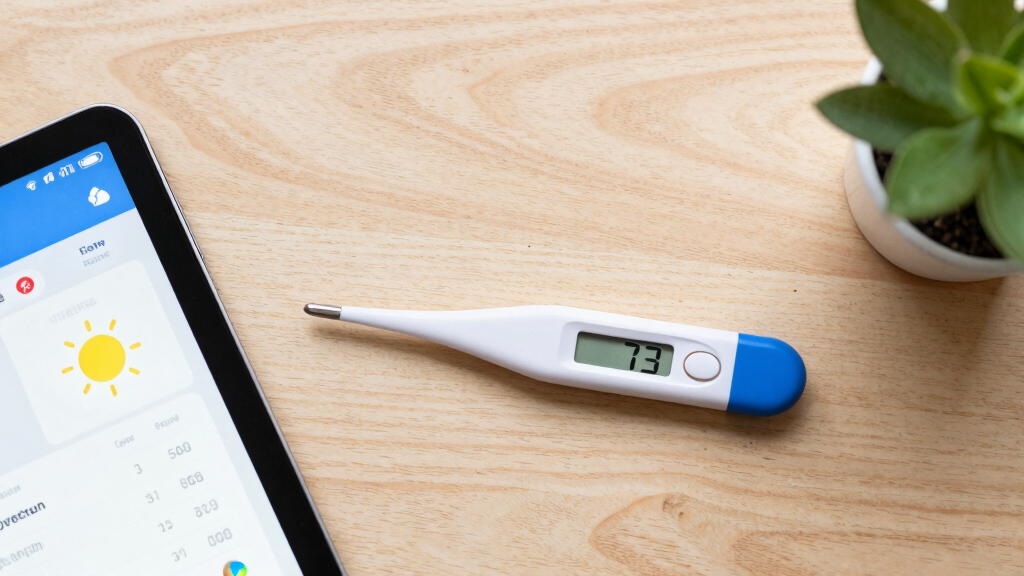
AcuRite Portable Digital Thermometer for Indoor or Outdoor Temperature with Carabiner Clip (00333)
- Quick Temperature Readings: Accurate digital temperature display in Fahrenheit
- Portable with Carabiner Clip: Easily attach to backpacks, purses, or gear
- Weather-Resistant Design: Durable construction for outdoor use in rain
As an affiliate, we earn on qualifying purchases.
As an affiliate, we earn on qualifying purchases.
Limitations of Long-Range Weather Predictions
At present, there is no scientific consensus or official forecast confirming whether the maximum temperature on July 3, 2026, will be above 73°F. The prediction market activity reflects speculation and perceived uncertainty, but it does not provide definitive data. The inherent variability of climate systems and the current limits of climate modeling mean that such specific forecasts remain highly uncertain at this horizon.
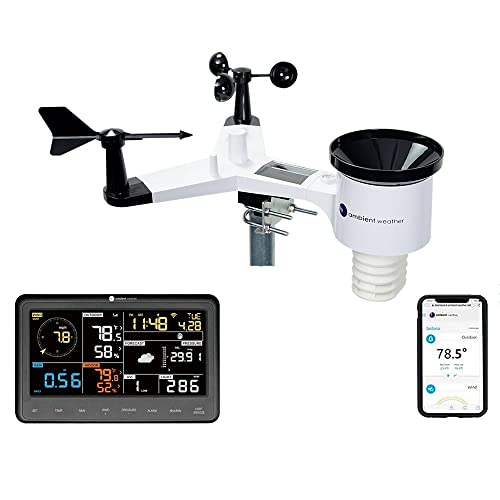
Ambient Weather WS-2902 WiFi Smart Weather Station
- Complete Weather Station: Includes Osprey Sensor Array and LCD display
- Hyper-Local Weather Data: Wireless sensors measure wind, temperature, humidity, rainfall, UV, and solar radiation
- Smart Home Compatibility: Supports alerts and remote access via IFTTT, Google Home, Alexa
As an affiliate, we earn on qualifying purchases.
As an affiliate, we earn on qualifying purchases.
Monitoring Climate Trends and Market Signals
Scientists will continue to refine climate models to improve long-term predictions, though precise daily temperatures years in advance remain elusive. Market activity related to this question will likely persist as participants adjust their positions based on emerging climate data and scientific developments. Watching both scientific updates and market activity can provide insights into evolving perceptions of climate risk.

Frigga 4G Cellular Temperature & Humidity Monitor, No WiFi Required (WiFi Optional), Remote Temperature Sensor with App, Email & On-Device Voice Alerts for RV, Pets, Vacation Home, S0
- 4G Cellular Connectivity: No Wi-Fi needed with global SIM included
- Two Years Cellular Service: Pre-installed SIM with 2-year coverage
- Real-Time Display: Updates every 5 seconds for instant readings
As an affiliate, we earn on qualifying purchases.
As an affiliate, we earn on qualifying purchases.
Key Questions
Is there an official weather forecast for July 3, 2026?
No, current scientific models do not provide specific forecasts for that date, given the long time horizon and inherent uncertainties in climate prediction.
What does active trading in the prediction market mean?
It indicates that market participants are betting on different outcomes based on their perceptions of climate trends, but it does not confirm any scientific prediction or forecast.
Can prediction markets be trusted for climate forecasting?
Prediction markets reflect collective sentiment and perceived likelihoods but are not substitutes for scientific climate models. They are useful for gauging public perception but should not be relied upon as definitive forecasts.
Why is it difficult to predict specific temperatures so far in advance?
Long-term weather predictions are limited by the complexity of climate systems, variability in atmospheric conditions, and the current state of climate modeling technology.
Source: kalshi