
TL;DR
Listen free for 30 days with Audible
Thousands of audiobooks and originals — cancel anytime.
Start your free trialAs an affiliate, we earn on qualifying purchases.
Scientists warn a major California aquifer may have passed the point of no return, risking long-term water shortages. The development is confirmed but the full impact remains uncertain.
Recent scientific assessments suggest that a major aquifer in California has likely crossed the point of no return, making its recovery impossible through natural recharge. This development could have significant implications for water security in the region, affecting millions of residents and agriculture-dependent communities.
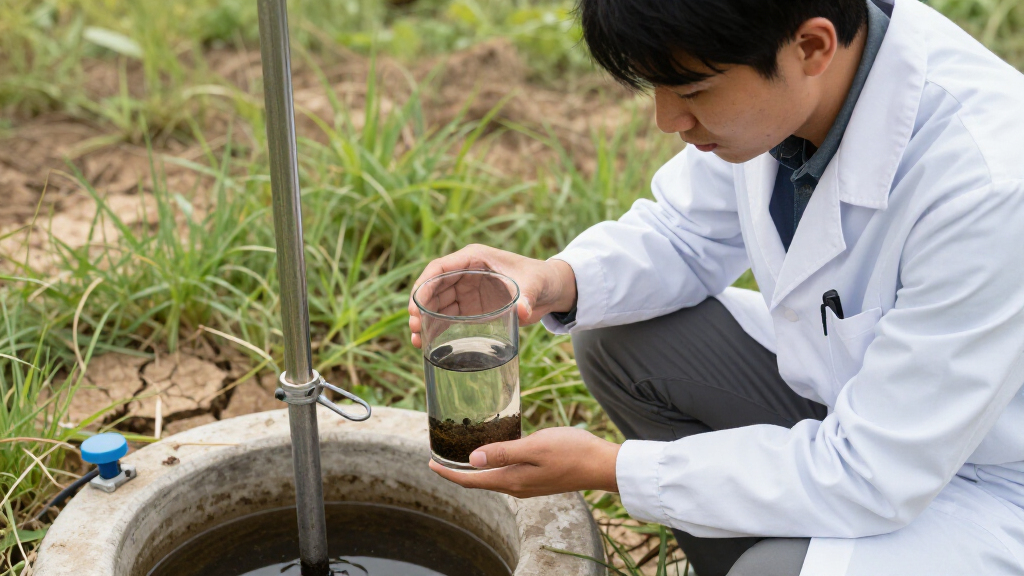
The aquifer in question is part of the Central Valley groundwater basin, which supplies approximately 30% of California’s water needs. According to a report published in Geoscience Advances, researchers analyzed decades of groundwater level data and concluded that the aquifer has experienced irreversible depletion, with levels falling below the threshold where natural recharge can restore it.
California officials and water experts have expressed concern that this crossing point could lead to long-term shortages if alternative water sources are not secured. The study emphasizes that current extraction rates far exceed natural recharge, which has been further hampered by prolonged drought conditions and increased groundwater pumping for agriculture and urban use.
While the report indicates that the aquifer has likely crossed this critical threshold, some experts caution that ongoing monitoring is needed to confirm the full extent of irreversibility and to determine if artificial recharge methods could mitigate the situation in the future.
Implications for California’s Water Future
This development is significant because it suggests that natural replenishment of the aquifer may no longer be possible, potentially leading to long-term water shortages for millions. It underscores the urgency of implementing sustainable groundwater management and exploring artificial recharge options to prevent severe impacts on agriculture, industry, and residents.
water filtration system for well water
As an affiliate, we earn on qualifying purchases.
As an affiliate, we earn on qualifying purchases.
Historical Groundwater Use and Recent Decline
California’s groundwater basins, especially in the Central Valley, have been heavily exploited over the past century to support its agricultural economy and urban growth. Historically, these aquifers have been replenished during wetter periods, but recent decades have seen a pattern of over-pumping and persistent drought, accelerating depletion.
Previous assessments indicated declining groundwater levels, but the new research provides evidence that some areas may have surpassed the critical point where natural recharge can effectively restore groundwater levels, raising alarms among water managers and policymakers.
“Our analysis suggests that the aquifer has likely crossed the threshold where natural recharge can no longer compensate for extraction. This is a serious warning for water sustainability in California.”
— Dr. Emily Rodriguez, hydrogeologist at UC Davis
As an affiliate, we earn on qualifying purchases.
Extent and Reversibility of Aquifer Depletion
While the study indicates the aquifer has likely crossed the point of no return, it is not yet confirmed whether artificial recharge could fully restore its levels. Some experts argue that ongoing monitoring and technological advances could influence the aquifer’s future recovery potential, but these remain unproven at this stage.
As an affiliate, we earn on qualifying purchases.
Monitoring, Policy Responses, and Recharge Strategies
Authorities will continue to monitor groundwater levels and assess the potential for artificial recharge projects. Policymakers are expected to consider stricter groundwater management regulations and investments in recharge infrastructure to mitigate long-term impacts. Further research will aim to clarify the aquifer’s irreversibility and explore feasible solutions.
artificial groundwater recharge equipment
As an affiliate, we earn on qualifying purchases.
As an affiliate, we earn on qualifying purchases.
Key Questions
What does crossing the point of no return mean for California’s water supply?
It indicates that the aquifer’s groundwater levels have fallen below a threshold where natural recharge cannot restore them, risking long-term depletion and water shortages.
Is this situation reversible?
It is not yet clear if artificial recharge or other interventions can reverse the depletion, but current evidence suggests natural recovery may no longer be possible.
How will this affect agriculture and residents?
Prolonged depletion could lead to reduced water availability for farming, industry, and households, potentially increasing costs and causing supply disruptions.
What actions are being taken in response?
Water agencies are monitoring levels closely, exploring recharge projects, and considering stricter groundwater management policies to address the crisis.
When will we know more about the aquifer’s recovery prospects?
Further studies and ongoing monitoring over the next few years will clarify the aquifer’s status and the effectiveness of potential mitigation measures.
Source: hn
Fall Picks
fall essentials
As an affiliate, we earn on qualifying purchases.