

Digital signatures are cryptographic tools that confirm a digital document’s authenticity and integrity by using a private key to create a unique signature. They don’t automatically verify your identity or stop someone from tampering if security measures aren’t in place. The strength of the cryptography and proper key management are essential for trustworthiness. To understand how these systems work and their limitations, keep exploring the details behind digital signatures.

Prime made for students and young adults
- Fast, free delivery for dorm and study essentials
- Prime Video and Amazon Music included
- Member-only deals
Key Takeaways
- Digital signatures verify document authenticity and integrity but do not automatically confirm the signer’s identity.
- They rely on cryptographic algorithms to create and verify signatures, making security dependent on current technology.
- Digital signatures are legally binding when standards are met but can be invalidated by outdated or compromised algorithms.
- Proper key management and additional verification methods, like digital certificates, are necessary for establishing signer identity.
- They do not prevent document tampering unless combined with comprehensive security practices and up-to-date cryptography.
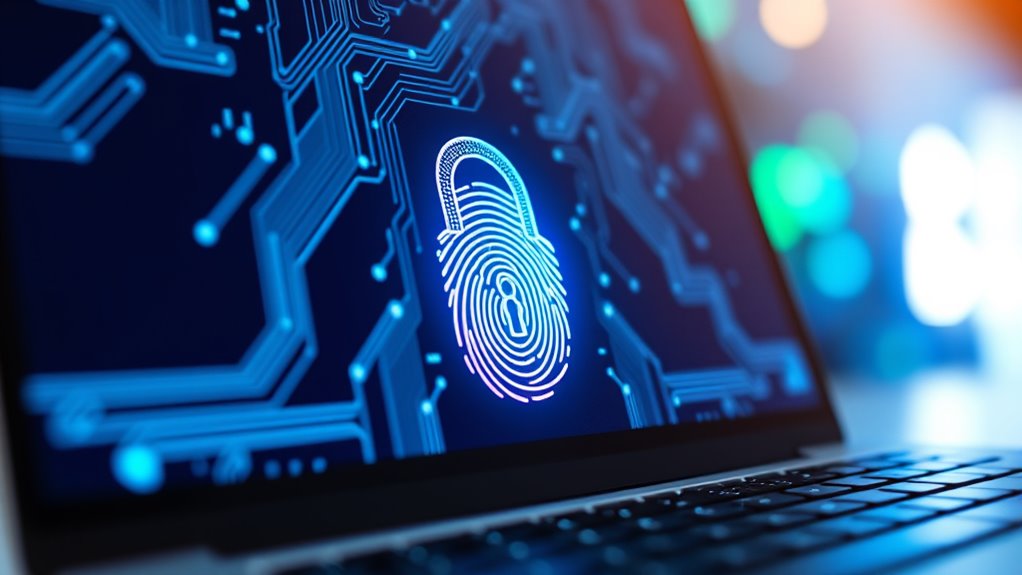
Have you ever wondered how you can verify the authenticity of a digital document? That’s where digital signatures come into play. They serve as a digital equivalent of handwritten signatures or stamped seals, providing assurance that a document is genuine and unaltered. At their core, digital signatures rely on cryptographic algorithms, which use complex mathematical processes to create and verify signatures. These cryptographic algorithms ensure that the signature is unique to the signer and the document, making it nearly impossible for anyone else to forge or tamper with it without detection. Additionally, cryptography techniques play a crucial role in strengthening the security and trustworthiness of digital signatures. When you sign a document digitally, your device generates a unique hash—a string of characters representing the document’s contents—using a cryptographic hash function. This hash is then encrypted with your private key, which is part of a public-private key pair, to create the digital signature. When someone receives the document, they can decrypt the signature using your public key. This process verifies that the signature was created with your private key and that the document hasn’t been altered since signing. The strength of this process relies heavily on the cryptographic algorithms used; stronger algorithms provide higher security and reduce the risk of forgery or interception. However, understanding digital signatures isn’t just about the technology. Legal implications play a vital role in their acceptance and enforceability. Different jurisdictions have specific laws recognizing digital signatures as legally binding, provided they meet certain standards. These standards often include requirements around the use of secure cryptographic algorithms and proper key management practices. If a digital signature is generated using outdated or compromised algorithms, it might not hold up in court. That’s why it’s essential to stay updated on the latest standards and ensure your digital signature practices comply with relevant legal frameworks. It’s also important to note what digital signatures aren’t. They don’t automatically guarantee the identity of the signer; they only ensure the integrity of the document and that it was signed with a particular key. Confirming the signer’s identity involves additional procedures, like digital certificates issued by trusted authorities. Moreover, digital signatures aren’t foolproof if the private key is compromised or if the cryptographic algorithms used are broken or outdated. That’s why ongoing security measures, including key protection and algorithm updates, are vital to maintaining the trustworthiness of digital signatures.
As an affiliate, we earn on qualifying purchases.
Frequently Asked Questions
Can Digital Signatures Be Forged or Falsified?
Digital signatures are highly secure, but you should know that digital signature forgery and falsification risks do exist. Skilled attackers might try to forge a signature, but strong encryption and verification methods make it extremely difficult. To protect yourself, always use trusted digital signature providers and guarantee your private keys are secure. While no system is entirely foolproof, proper security measures minimize the chances of digital signature falsification.
Are Digital Signatures Legally Binding Worldwide?
Digital signatures are generally legally binding worldwide, but their validity depends on local laws and international recognition. You need to guarantee your digital signature complies with regional regulations like eIDAS in Europe or the ESIGN Act in the US. When properly executed, digital signature validity is recognized across borders, giving your digital agreements enforceability. Always verify that your digital signature method aligns with the legal standards of the relevant jurisdiction for maximum international recognition.
How Do Digital Signatures Differ From Electronic Signatures?
You might think digital signatures and electronic signatures are the same, but they differ markedly. Digital signatures use encryption methods and authentication processes to verify identity and ensure data integrity, making them more secure. Electronic signatures, however, simply indicate agreement without necessarily employing encryption or authentication. While both facilitate digital agreements, digital signatures provide a higher level of security, authenticity, and legal validity through advanced cryptographic techniques.
What Are the Common Vulnerabilities of Digital Signature Systems?
You should be aware that digital signature systems face vulnerabilities like cryptographic weaknesses, which can be exploited if outdated algorithms or weak keys are used. Additionally, poor certificate management can lead to compromised trust, as invalid or expired certificates might be accepted. Regular updates, strong encryption practices, and vigilant certificate oversight help protect your digital signature system from these common threats.
How Often Should Digital Signature Certificates Be Renewed?
Your digital signature certificate shouldn’t outlive a century—generally, renewal frequency varies between one to three years, depending on the issuing authority. Keep an eye on certificate expiration dates; renewing on time guarantees your digital signatures stay secure and valid. Ignoring renewal schedules risks losing trust or facing security breaches. So, set reminders and renew proactively to maintain your digital integrity—don’t let expired certificates wreak havoc on your credibility.
As an affiliate, we earn on qualifying purchases.
Conclusion
Understanding digital signatures is vital in today’s digital world, as they ensure your data remains secure and authentic. Did you know that over 80% of organizations use digital signatures to protect sensitive information? By grasping what they are and what they aren’t, you can make smarter decisions about digital security. Remember, digital signatures aren’t foolproof, but they’re a powerful tool to keep your online transactions safe and trustworthy.
public-private key encryption tools
As an affiliate, we earn on qualifying purchases.
As an affiliate, we earn on qualifying purchases.
As an affiliate, we earn on qualifying purchases.
Fall Picks
fall essentials
As an affiliate, we earn on qualifying purchases.