
Bluetooth isn’t always the main cause of poor streaming audio quality. Often, network congestion limits bandwidth, leading to lower sound quality or buffering. Codec compatibility can also impact clarity if your device or service doesn’t support high-quality formats. Hardware limitations and the amount of data Bluetooth can transfer may affect sound, but network issues and codec mismatches usually play bigger roles. If you want a clearer, richer sound, understanding these factors can help improve your experience.
Key Takeaways
- Network congestion often reduces streaming quality, making bandwidth limitations a primary cause of poor audio, not Bluetooth.
- Source device and streaming service codec support influence audio fidelity more than Bluetooth transmission.
- Hardware limitations in devices can hinder processing high-quality audio, affecting sound clarity regardless of Bluetooth.
- Bluetooth bandwidth constraints and data compression can impact audio fidelity, but are secondary to network and codec issues.
- Adjusting network usage, streaming settings, and ensuring codec compatibility can significantly improve streaming audio quality.
Have you ever wondered why some streaming audio sounds crystal clear while others seem muffled or distorted? It’s a frustrating experience, especially when your device and connection seem to be working fine. The truth is, streaming audio quality isn’t just about Bluetooth or Wi-Fi; it’s influenced by several technical factors, with codec compatibility and network congestion playing significant roles.
Codec compatibility is a key element that determines how well your device can process and deliver high-quality audio. Think of codecs as the language your device uses to interpret digital sound data. If your device supports advanced codecs like aptX or AAC, you’ll generally enjoy richer, more detailed audio. But if it defaults to older or less efficient codecs, the sound quality can suffer. Sometimes, even if your device is capable of higher-quality codecs, the streaming service or the source device might not support them, causing a mismatch that compromises audio clarity. So, understanding what codecs your devices support and guarantee compatibility can make a noticeable difference in your listening experience.
Network congestion is another major factor that can degrade streaming audio quality. When many users are on the same Wi-Fi network or cellular tower, bandwidth becomes limited. As a result, your streaming service may reduce audio quality to prevent buffering interruptions. This is especially common during peak usage times or in crowded areas. Instead of blaming Bluetooth, recognize that network congestion can cause your audio to sound muffled, choppy, or distorted because the data isn’t reaching your device smoothly. Additionally, device hardware limitations can also influence how well high-quality audio is processed and played back. To mitigate this, you can try switching to a less congested network, reducing the number of devices connected, or lowering the streaming quality settings if available. Doing so helps ensure your device receives a steady flow of high-quality audio data.
In many cases, people assume Bluetooth is the main culprit behind poor audio quality, but it’s often something else entirely. Bluetooth’s role is primarily in transmitting data wirelessly, but its limitations are well-documented—like bandwidth constraints and compression. However, if your network is congested or the codecs aren’t compatible, those issues can overshadow Bluetooth’s impact. Upgrading your device’s codec support, managing your network traffic, and selecting higher quality streaming options can all contribute to a much better listening experience. So next time your audio sounds off, look beyond Bluetooth and consider these technical factors—they’re usually the real culprits affecting your streaming sound quality.

Sound Blaster JAM V2 On-Ear Lightweight Bluetooth 5.0 Wireless Headphones with USB-C, aptX Low Latency, aptX HD, Multipoint Connectivity, Voice Detection and Noise Reduction, 22 Hours Battery Life
- Bluetooth 5.0 with Multipoint: Connects 2 devices simultaneously
- aptX HD and Low Latency: High-quality audio and synchronized video
- Rich Sound with 32mm Drivers: Delivers clear, immersive audio
As an affiliate, we earn on qualifying purchases.
As an affiliate, we earn on qualifying purchases.
Frequently Asked Questions
How Does Wi-Fi Impact Streaming Audio Quality Compared to Bluetooth?
Wi-Fi impacts streaming audio quality more than Bluetooth because Wi-Fi can face interference from other devices and network congestion, leading to interruptions or reduced quality. Unlike Bluetooth, which has limited range and bandwidth, Wi-Fi’s wider reach and higher data transfer mean it’s more vulnerable to issues like interference and congestion. These factors can cause buffering or lower sound quality, making Wi-Fi a more significant factor in streaming audio performance.
Can Older Bluetooth Devices Support High-Resolution Audio Streaming?
Think of your older Bluetooth device as a vintage car—capable but limited. It can support high-resolution audio streaming only if it has legacy compatibility for newer codecs like aptX HD or LDAC. However, device limitations often prevent these older devices from delivering the full quality, meaning you won’t experience true high-res sound. Upgrading your device guarantees you get the best possible audio without being hindered by outdated technology.
What Roles Do Codecs Play in Audio Quality Over Bluetooth?
Codecs play a vital role in Bluetooth audio quality by determining how efficiently data gets compressed and transmitted. You’ll notice that codecs with higher efficiency reduce compression artifacts, preserving sound clarity. When a codec balances compression with quality, your listening experience improves. If a codec isn’t efficient, it can introduce artifacts, degrading audio. So, choosing the right codec guarantees you get the best possible sound without unnecessary data loss.
How Does Device Hardware Influence Streaming Audio Performance?
Your device hardware critically impacts streaming audio performance. Hardware limitations, like outdated components, can cause lag or reduced sound quality, even if your Bluetooth connection is strong. Processing power matters because it handles audio decoding and codec processing; weaker processors may struggle, leading to choppy or compressed sound. Upgrading your device’s hardware guarantees smoother streaming, better sound clarity, and improved overall experience, making it a vital factor beyond just Bluetooth capabilities.
Are There Differences in Audio Quality Between Wired and Wireless Streaming?
Imagine you’re at a 90s dance party, but now, with wireless convenience, you can enjoy your music without tangled cords. Wired streaming generally offers better audio fidelity because it provides a direct, stable connection. Wireless streaming, while more convenient, may sometimes compromise audio quality due to compression or interference. So, if pure sound is your priority, wired connections still hold an edge over wireless.
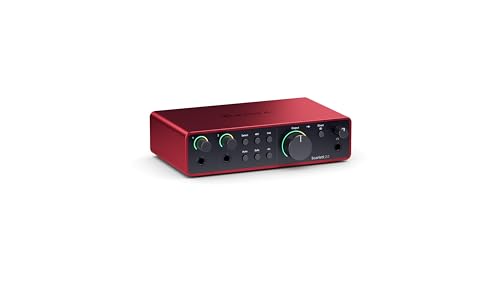
Focusrite Scarlett 2i2 4th Gen USB Audio Interface for Recording, Songwriting, Streaming and Podcasting — High-Fidelity, Studio Quality Recording, and All the Software You Need to Record
- New Generation Mic Pres: Connect microphones with high-quality preamps
- Guitar Input: Plug in your guitar easily
- Included Recording Software: Start recording immediately
As an affiliate, we earn on qualifying purchases.
As an affiliate, we earn on qualifying purchases.
Conclusion
Remember, high-quality streaming isn’t just about Bluetooth. For instance, even if your device supports lossless audio, poor internet or compression can still ruin sound quality. Imagine streaming a live concert—your connection’s stability and the app’s processing matter just as much as your headphones. So, next time you notice dull sound, consider all factors—your network, app settings, and device capabilities—because Bluetooth isn’t always the bottleneck. It’s a full system that shapes your listening experience.

TP-Link AC1900 WiFi Range Extender RE550 | Dual-Band Wireless Repeater Amplifier w/Gigabit Ethernet Port | Up to 2200 Sq. Ft., 32 Devices | Internet Signal Booster | APP Setup | EasyMesh Compatible
- Dual-Band WiFi Extender: Up to 1300 Mbps (5 GHz) and 600 Mbps (2.4 GHz)
- Wide Coverage: Up to 2100 sq. ft. with 3 antennas
- Supports Multiple Devices: Connects up to 32 devices
As an affiliate, we earn on qualifying purchases.
As an affiliate, we earn on qualifying purchases.

Anker Soundcore 2 Portable Bluetooth Speaker with Stereo Sound, Bluetooth 5, Bassup, IPX7 Waterproof, 24-Hour Playtime, Wireless, Speaker for Home, Outdoors, Travel
- Outdoor Waterproof Design: IPX7 waterproof protection for outdoor use
- Long Battery Life: Up to 24 hours of continuous play
- Powerful Stereo Sound: 12W output with enhanced bass
As an affiliate, we earn on qualifying purchases.
As an affiliate, we earn on qualifying purchases.