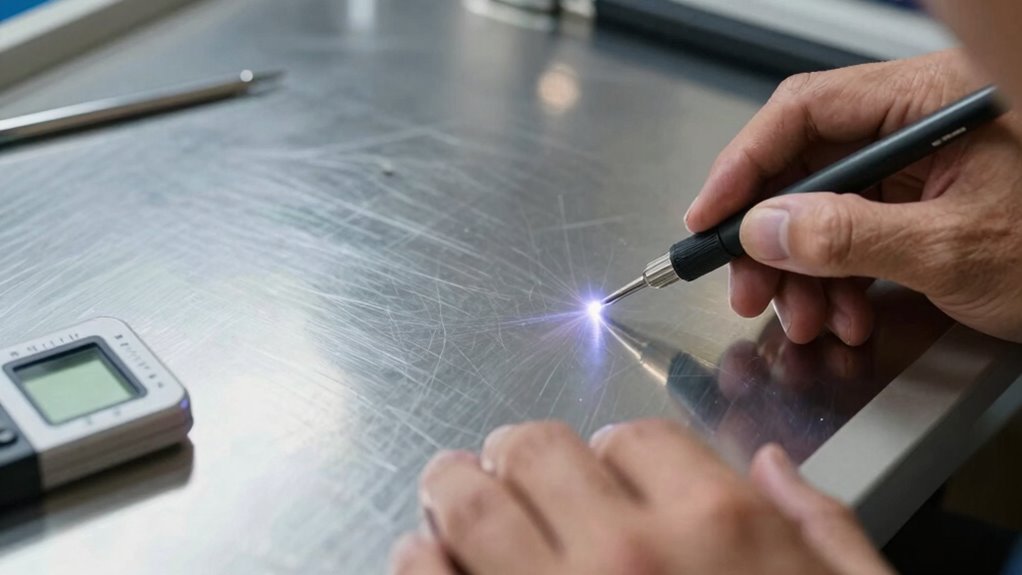

Before engraving, check your material’s composition to make certain it’s safe and suitable for laser use. Consider its response to laser settings to achieve the desired detail and avoid burning or melting. Be aware of potential hazards like toxic fumes from plastics or treated woods. Assess the surface and thickness for even engraving results. Mastering these factors helps prevent damage and safety issues—if you’re ready, exploring further will give you even better results.
Open a free Amazon Business account
Business pricing, bulk buying and tax-exempt orders.
As an affiliate, we earn on qualifying purchases.
Key Takeaways
- Verify the material’s composition to identify potential toxic fumes or hazards during engraving.
- Test small samples to determine optimal laser settings for quality and safety.
- Ensure the surface is even and clean to achieve consistent engraving results.
- Confirm the material’s suitability, such as wood type or plastic, for laser engraving purposes.
- Consider thickness and surface properties to select appropriate laser power and speed.
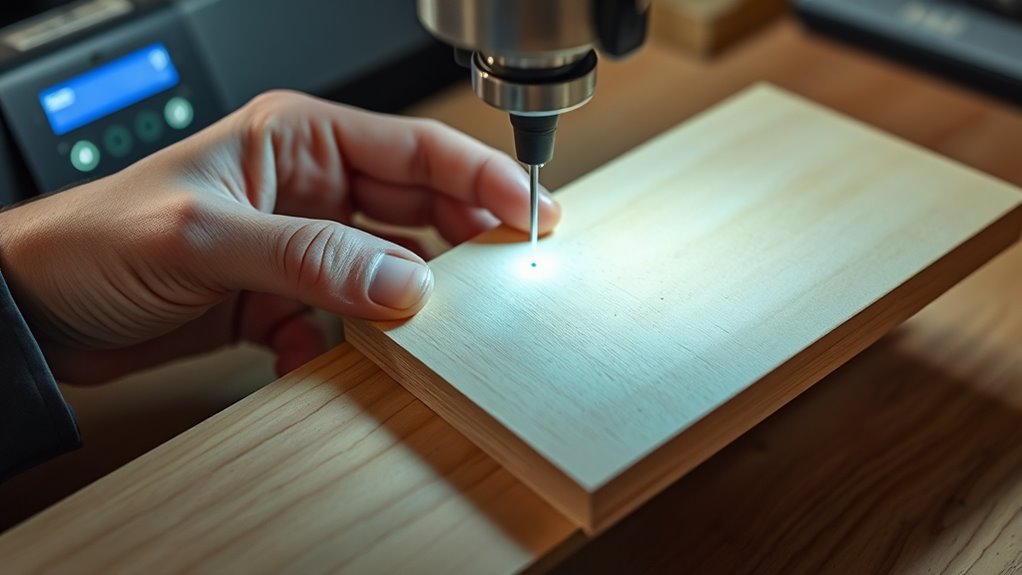
Understanding laser materials is essential because they directly influence a laser’s performance and efficiency. When you’re preparing to engrave, it’s crucial to evaluate the material’s safety and engravability considerations. Not all materials are suitable for laser engraving, and overlooking these factors can lead to poor results or even safety hazards. Material safety should be your top priority; some substances release toxic fumes or hazardous particles when heated by the laser. For instance, plastics like PVC are unsafe because they produce chlorine gas, which is harmful to breathe and can damage your equipment. Similarly, certain woods treated with chemicals or finishes might emit dangerous fumes, so checking whether the material is non-toxic or requires special ventilation is vital. Ensuring the safety of your workspace and yourself means researching the material’s composition and understanding any potential risks involved in engraving it. Additionally, understanding laser safety considerations helps prevent accidents and health issues during engraving sessions. Engravability considerations go beyond safety. You need to evaluate how well the material responds to laser engraving in terms of detail, depth, and overall quality. Different materials react differently; some cut or engrave smoothly, producing crisp, clear images, while others might burn unevenly or produce excessive soot. For example, hardwoods like cherry or maple tend to produce clean, detailed engravings, whereas softwoods might burn more easily, leading to a rougher finish. Metals, plastics, glass, and acrylics each have unique properties that impact their engravability. Acrylics, for instance, are popular for their clarity and ease of engraving, but some may melt or deform if the laser settings aren’t properly adjusted. Metals often require special coatings or pre-treatments to achieve good results. Another critical aspect of engravability considerations is the material’s thickness and surface consistency. Thicker materials may need more powerful settings, and uneven surfaces can cause inconsistent engraving. Testing small samples before committing to a full project helps you determine ideal laser parameters for the specific material you’re working with. This step minimizes material waste and saves time. Remember, choosing the right materials involves understanding their physical and chemical properties, which directly influence the quality of your final product. By carefully assessing material safety and engravability considerations beforehand, you set yourself up for successful, safe, and high-quality engraving outcomes.
As an affiliate, we earn on qualifying purchases.
Frequently Asked Questions
Can All Laser Types Engrave the Same Materials?
Not all laser types can engrave the same materials because laser wavelength affects material absorption. You need to match the laser wavelength with the material you’re working on; otherwise, the laser might not effectively engrave or could damage the material. For example, CO2 lasers work well with organic materials, while fiber lasers are better for metals. Always check the laser’s wavelength and the material’s absorption properties before starting your project.
How Do I Test Material Compatibility Safely?
Testing material compatibility is like trying a new recipe before serving guests. You should start with small, inconspicuous areas and use controlled settings for material testing. Always follow safety precautions, including wearing protective gear and working in a well-ventilated space. Conduct sample engravings on scrap pieces first, observe the results, and guarantee the material reacts well, so you avoid damaging your main piece or risking safety hazards.
Are There Environmentally Friendly Laser Engraving Options?
Yes, you can choose eco-friendly options for laser engraving. Look for biodegradable materials like bamboo, recycled wood, or plant-based plastics. These options reduce environmental impact and are safer to use. Always verify that the materials are compatible with your laser system and check for any potential fumes or emissions. Making conscious choices helps protect the environment while achieving quality engravings.
What Safety Gear Is Necessary During Engraving?
Imagine you’re a knight preparing for battle; your safety gear is your shield. You need safety goggles to protect your eyes from sparks and fumes, and proper ventilation requirements to clear out harmful smoke. Wearing safety goggles shields your vision, while ensuring adequate ventilation keeps dangerous fumes away from your lungs. Always gear up with these essentials before engraving to stay safe and avoid hazards during your laser work.
How Does Material Thickness Affect Engraving Quality?
Material thickness directly impacts your engraving quality by influencing detail and consistency. Thicker materials are more prone to warping during engraving, which can distort your results, while variability in thickness can cause uneven engraving depths. To guarantee high-quality outcomes, measure your material carefully, choose appropriate settings, and avoid materials with significant thickness variability. This helps prevent warping and ensures your engraving remains precise and clean.
laser engraving test sample kits
As an affiliate, we earn on qualifying purchases.
As an affiliate, we earn on qualifying purchases.
Conclusion
Before you start engraving, always double-check your material’s compatibility and settings. Did you know that selecting the right material can increase engraving efficiency by up to 30%? This means you’ll save time, reduce waste, and improve your results. Remember, understanding the basics of your materials isn’t just smart—it’s essential for achieving professional-quality engravings. So, take a moment to review and confirm everything’s just right before you begin. Your perfect project starts with proper prep!
non-toxic laser engraving materials
As an affiliate, we earn on qualifying purchases.
As an affiliate, we earn on qualifying purchases.
laser engraving surface cleaning tools
As an affiliate, we earn on qualifying purchases.
As an affiliate, we earn on qualifying purchases.
Grilling season Picks
grills
As an affiliate, we earn on qualifying purchases.