TL;DR

Prime made for students and young adults
- Fast, free delivery for dorm and study essentials
- Prime Video and Amazon Music included
- Member-only deals
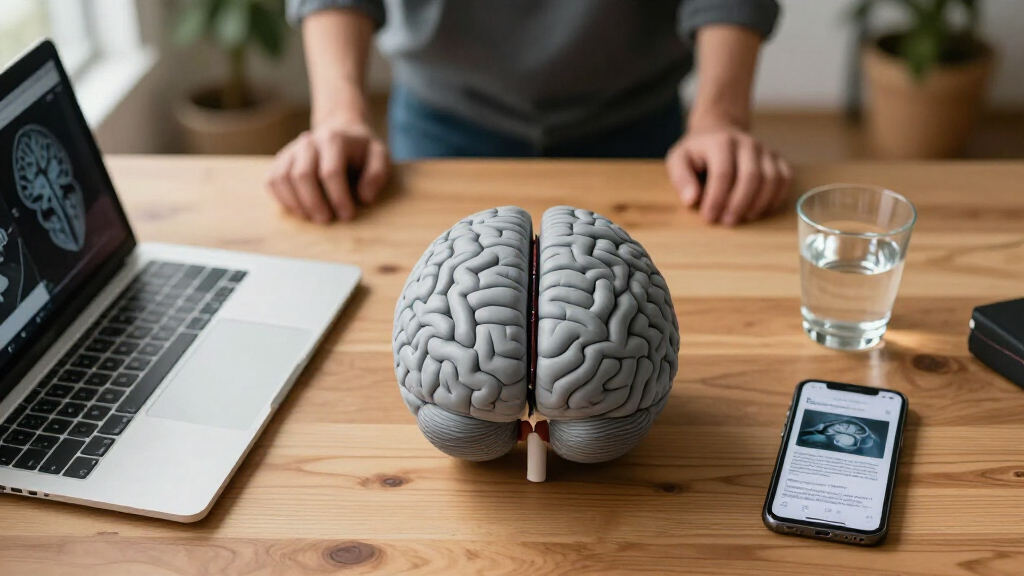
A study led by Stanford Medicine has confirmed that the human brain is composed of two separate organs. This discovery could reshape neuroscience and understanding of brain function. Details are still emerging, and further research is needed.
Recent research led by Stanford Medicine has confirmed that the human brain is composed of two distinct organs, challenging longstanding assumptions about brain structure. This discovery has significant implications for neuroscience, potentially influencing future research, diagnosis, and treatment of neurological conditions.
The study, published by Stanford researchers, used advanced imaging and anatomical analysis to demonstrate that the human brain is not a single, unified organ as previously believed. Instead, it comprises two separate structures, each with its own distinct functions and developmental pathways.
According to the research team, these findings could alter the understanding of neurological diseases, brain development, and cognitive processes. The study emphasizes that the two organs are interconnected but maintain separate anatomical and functional identities, which may influence how scientists approach brain disorders and treatments in the future.
It is important to note that the research is recent, and the scientific community is still evaluating the full implications of these findings. Experts caution that further studies are necessary to confirm the results and explore how this structural distinction impacts brain function and pathology.
Implications for Neuroscience and Medical Research
This discovery could significantly impact the fields of neuroscience, neurology, and psychiatry by prompting a reevaluation of how the human brain is studied and treated. Recognizing the brain as two separate organs may lead to new diagnostic approaches and targeted therapies for neurological and psychiatric conditions.
Moreover, understanding that the brain consists of two distinct structures might influence future research on brain development, cognitive function, and neurodegenerative diseases. It could also inspire new models for brain simulation and artificial intelligence that better reflect the brain’s true architecture.
As an affiliate, we earn on qualifying purchases.
Historical Understanding of Brain Structure and Recent Advances
Traditionally, the human brain has been viewed as a single, unified organ composed of various interconnected regions. This view has underpinned decades of neurological research, clinical diagnosis, and treatment strategies. The idea that the brain might be more complex, potentially comprising multiple organs, has been largely speculative until now.
Recent advances in neuroimaging, anatomical mapping, and molecular analysis have allowed scientists to examine brain structures with unprecedented detail. The Stanford-led study builds on this progress, challenging long-held assumptions and opening new avenues for research. The concept of the brain as two separate organs is a significant departure from traditional models and could influence future scientific paradigms.
It is worth noting that the idea of multiple brain components is not entirely new, but this is the first definitive evidence suggesting the human brain itself is composed of two distinct organs, according to the research team.
As an affiliate, we earn on qualifying purchases.
What Aspects of Brain Function Remain Unclear?
While the structural findings are confirmed, it is still unclear how the division into two organs affects overall brain function, cognition, and behavior. The functional implications of this anatomical separation are under active investigation.
Additionally, the extent to which this structural division influences neurological diseases, developmental processes, or individual variability remains to be studied. Researchers are cautious, emphasizing that more evidence is needed to understand the full impact of this discovery.
It is also uncertain whether this structural organization is unique to humans or if it exists in other species, which could have implications for comparative neuroanatomy.
As an affiliate, we earn on qualifying purchases.
Next Steps in Confirming and Exploring the Discovery
Researchers plan to conduct further studies using advanced imaging techniques and molecular analysis to verify and expand upon these findings. Collaborative efforts across neuroscience disciplines are expected to explore how the two organs interact and influence brain function.
Long-term, the scientific community anticipates integrating this new understanding into models of brain development, disease, and treatment. Additional research may also investigate whether this structural division can be linked to specific neurological or psychiatric conditions.
Publications and conferences over the coming months will likely present more detailed data, and peer review will determine the robustness of these findings.
As an affiliate, we earn on qualifying purchases.
Key Questions
What does it mean that the human brain is two separate organs?
It means that, according to recent research, the human brain is composed of two distinct structures with separate developmental pathways and potentially different functions, challenging previous notions of a single, unified organ.
How might this discovery affect neurological treatments?
If confirmed, recognizing the brain as two organs could lead to more targeted therapies for neurological and psychiatric disorders, focusing on each structure’s specific role and pathology.
Is this structural division unique to humans?
It is currently unknown whether this division exists in other species. Further comparative studies are needed to determine if this is a human-specific feature or part of a broader evolutionary pattern.
When will scientists know more about the functional implications?
Further research is planned to explore how the structural separation influences brain activity, cognition, and behavior. It may take several years before definitive conclusions are reached.
Could this change how we understand brain diseases?
Potentially, yes. If the two organs are found to have distinct roles in disease processes, this could lead to new diagnostic markers and treatment approaches tailored to each structure.
Source: hn
Fall Picks
fall essentials
As an affiliate, we earn on qualifying purchases.