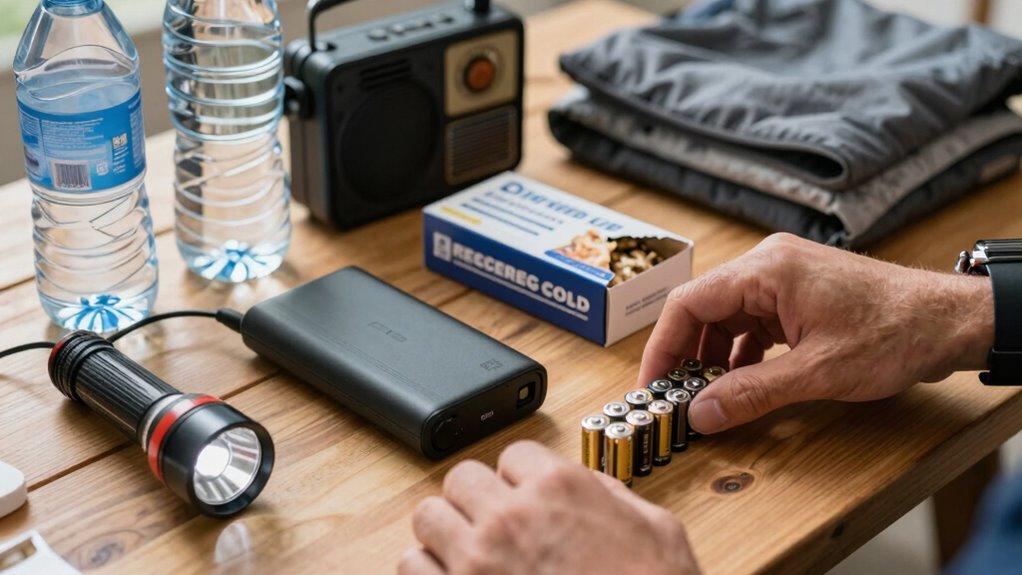

To estimate what you need during an outage, start by reviewing your household’s typical energy use and essential supply consumption. Consider how long the outage might last — a weekend, week, or longer — and adjust your supplies accordingly. Make a list of essentials like food, water, batteries, and medical items, then calculate the quantities based on your household size and needs. If you keep exploring, you’ll discover key strategies to better prepare for any situation.

Prime made for students and young adults
- Fast, free delivery for dorm and study essentials
- Prime Video and Amazon Music included
- Member-only deals
Key Takeaways
- Calculate household daily consumption of essential supplies like food, water, and medications to determine needed quantities.
- Consider outage duration to multiply daily needs for accurate total resource estimates.
- Account for household size and special needs to personalize supply requirements.
- Review current inventory, check expiration dates, and identify shortages to address gaps.
- Include versatile, multi-purpose supplies and alternative energy sources for efficient preparedness.
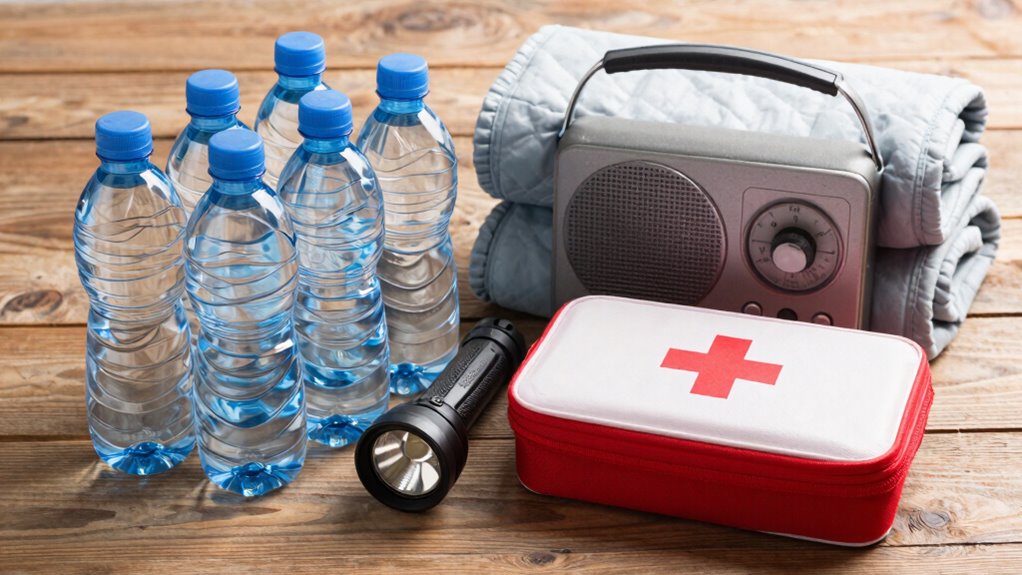
When a power outage strikes, knowing exactly what supplies you’ll need can make the situation much more manageable. Planning ahead is a key part of emergency preparedness, and estimating your needs accurately can help you avoid unnecessary stress and shortages. To do this effectively, you should start by evaluating your household’s basic needs—food, water, medical supplies, and essentials for comfort. Think about how long you might be without power; this will influence the quantity of supplies you should stockpile. For example, if you’re preparing for a weekend outage, your supplies will differ from those needed for a week or longer.
Proper planning ensures you’re prepared for any outage duration, reducing stress and shortages.
Resource management plays a vital role here. You need to balance what’s enough with what’s feasible, avoiding overstocking or under-preparing. Begin by listing the essentials: non-perishable food, bottled water (at least one gallon per person per day), batteries, flashlights, and a basic first aid kit. Consider any special needs, like medications or baby supplies, which might require additional planning. During your evaluation, factor in the number of family members, including pets, and their specific needs. This personalized approach ensures you’re prepared without wasting resources.
Next, review your current inventory and identify gaps. Check expiration dates on food and medical supplies, and plan to replace expired items before an outage occurs. Prioritize versatile supplies—things that serve multiple purposes, like a multi-tool or a battery-powered radio. When estimating how much of each item you’ll need, think about your consumption rates. For example, if your household uses a certain amount of water daily, multiply that by the number of days you want to be prepared for. This simple calculation helps prevent both shortages and excess stockpiling. Additionally, consider emergency preparedness resources and recommended supplies from trusted sources to ensure comprehensive planning. It’s also helpful to familiarize yourself with alternative energy sources**, such as portable generators or solar chargers, to enhance your readiness. Proper storage practices are essential for maintaining the quality and safety of your supplies, preventing spoilage or damage. Being aware of power outage safety tips** can further help you protect your household during an emergency.
portable solar charger for emergencies
As an affiliate, we earn on qualifying purchases.
As an affiliate, we earn on qualifying purchases.
Frequently Asked Questions
How Do I Prioritize Essential Supplies During an Outage?
You should prioritize essential supplies by focusing on items that support emergency communication and alternative energy. Keep a charged power bank, radio, and extra batteries for staying informed. Stock up on non-perishable food, water, and fuel for generators. These essentials guarantee you stay connected, safe, and self-sufficient during an outage. Regularly review and update your supplies to match your household’s needs, ensuring readiness at all times.
What Tools Can Help Me Track My Energy and Water Usage?
Think of smart meters as your energy and water’s personal fitness trackers, giving you real-time data. With usage analysis, you’ll spot patterns, just like noticing how your daily runs improve over time. Smart meters help you monitor consumption effortlessly, revealing where you can cut back. By tracking your usage, you gain control, ensuring you conserve resources during outages and avoid surprises when supplies run low.
How Can I Prepare for Long-Term Outages?
To prepare for long-term outages, focus on establishing emergency communication methods like battery-powered radios or satellite phones. Stock up on alternative power sources such as solar chargers or generators to keep essential devices running. Make a plan with your family, including meeting points and emergency contacts. Regularly test your equipment, and keep a supply of water, food, and essential supplies to guarantee safety and connectivity during extended outages.
What Are Cost-Effective Ways to Stock up on Supplies?
You can save money by building an emergency kit with versatile supplies like non-perishable food, water, and basic first aid items. Look for sales and bulk options to reduce costs. Consider investing in backup power sources, such as portable generators or solar chargers, for long-term outages. Prioritize essential items, and reuse or repurpose containers to keep expenses low. Regularly check and update your supplies to make sure they’re ready when needed.
How Do I Handle Perishable Food Without Power?
A stitch in time saves nine, so handle perishable food carefully. To prevent spoilage, keep your fridge and freezer at proper temperatures and avoid opening them unnecessarily. Use cold storage options like coolers with ice packs or dry ice for immediate needs. Consume perishable items first, and consider canning or preserving foods ahead of time. Prioritize food safety to prevent foodborne illnesses during outages.
emergency water storage containers
As an affiliate, we earn on qualifying purchases.
As an affiliate, we earn on qualifying purchases.
Conclusion
When an outage hits, knowing what to need is like having a map in unfamiliar territory—you stay calm and find your way. By evaluating your essentials, planning ahead, and being realistic about what you can do without, you’ll keep disruptions minimal. Remember, preparation is your best tool—think of it as your safety net during uncertain times. Stay proactive, and you’ll navigate outages with confidence, just like a sailor steering through a storm with a steady hand.
As an affiliate, we earn on qualifying purchases.
As an affiliate, we earn on qualifying purchases.
Halloween Picks
halloween
As an affiliate, we earn on qualifying purchases.