

When every option seems wrong, focus on your core values instead of perfection. Recognize that inaction isn’t the answer, and taking even small steps helps regain control. Consider the broader impact on yourself and others, and trust your judgment to choose the least damaging or most ethical path. Accept that mistakes happen and are part of growth. If you want to understand how to navigate these tough choices more confidently, there’s more to explore below.
Key Takeaways
- Recognize decision paralysis and accept that no choice is perfect.
- Clarify your core values to guide ethical and meaningful decisions.
- Consider the long-term impact on yourself and others before acting.
- Seek advice from trusted individuals to gain new perspectives.
- Own your decision, learn from mistakes, and move forward with confidence.

When you’re faced with a decision and every option seems wrong, it can feel overwhelming and paralyzing. That’s especially true when you’re stuck in decision paralysis, where the fear of making the wrong choice keeps you from acting at all. You might find yourself analyzing every possible outcome, convinced that no solution is truly right. In these moments, ethical dilemmas often make the situation even more complicated, forcing you to weigh conflicting values and priorities. It’s easy to get caught in a loop of doubt, but staying stuck won’t help you move forward. Instead, you need a clear approach to navigate through these tough choices.
First, acknowledge that no decision is perfect. There’s rarely a flawless option, and recognizing this can relieve some of the pressure. When everything feels wrong, it’s tempting to keep searching for the “best” answer, but often, the best choice is simply the one that aligns most closely with your core values. Take a moment to identify what truly matters to you in this situation. Is honesty more important than avoiding conflict? Is kindness more vital than efficiency? Clarifying your priorities helps you cut through the noise and make a decision grounded in your principles.
The best choice aligns with your core values; prioritize honesty, kindness, and principles over perfection.
Next, consider the broader context. Ask yourself what consequences each option might bring—not just for you, but for others involved. Sometimes, looking at the bigger picture offers perspective that can make the decision clearer. If you’re struggling with ethical dilemmas, think about the long-term impact and your integrity. Remember, avoiding a choice out of fear often leads to greater decision paralysis. Taking action, even if it’s not perfect, can restore your sense of agency and help you learn from the experience. Understanding the importance of ethical decision-making can guide you in making more balanced choices. Additionally, embracing biodiversity and recognizing the interconnectedness of all living things can provide a deeper moral perspective that influences your choices.
If you’re still unsure, don’t hesitate to seek advice from someone you trust. Sometimes, a different perspective can illuminate aspects you haven’t considered. However, trust your judgment and your understanding of your values. Making a decision doesn’t mean you’re ignoring the complexities or the moral weight of the situation; it means you’re choosing to act despite them. When every option looks wrong, the goal is to choose the least damaging or most ethical path forward, knowing that mistakes are part of growth.
Finally, accept that no decision will be free of consequences, and that’s okay. Every choice involves trade-offs. The key is to own your decision and commit to it, learning and adapting as needed. When faced with ethical dilemmas or decision paralysis, remind yourself that action—however imperfect—is often better than inaction. Moving forward, trust that you’re doing your best with the information and values you have, and that’s enough to navigate even the most difficult choices. Recognizing the importance of sustainability practices can also help align your decisions with broader goals of conservation and responsible living.

The Next Right Thing Guided Journal: A Decision-Making Companion
As an affiliate, we earn on qualifying purchases.
As an affiliate, we earn on qualifying purchases.
Frequently Asked Questions
How Can I Regain Confidence When All Choices Seem Bad?
When all choices seem bad, start with a risk assessment to understand potential outcomes. Focus on your emotional resilience—remind yourself of past successes and strengths. Break down your options into smaller, manageable steps, and consider the worst-case scenario, knowing you can adapt. This process helps rebuild confidence by shifting your focus from fear to proactive problem-solving, empowering you to face difficult decisions with a clearer, more resilient mindset.
What Mindset Helps When Feeling Overwhelmed by Bad Options?
Imagine you’re steering through a dense fog, unsure which path leads forward. Adopting a growth mindset helps you see that even uncertain options hold potential. Let go of perfectionist mindset and risk-averse thinking, which trap you in indecision. Instead, embrace curiosity and small steps. Trust that each move, no matter how uncertain, builds resilience and clarity. Focus on progress, not perfection, and gradually find your way through the overwhelming landscape.
How Do I Prioritize When Every Solution Appears Flawed?
When every solution seems flawed, focus on risk assessment to identify the least harmful options. Trust your emotional resilience to handle uncertainty and stay calm. Prioritize solutions that minimize potential damage and align with your core values. Break the problem into smaller parts, weigh pros and cons, and remember that no choice is perfect. Taking decisive action, even imperfect, often leads to progress and clarity amid difficult decisions.
Can Seeking Others’ Opinions Improve Difficult Decision-Making?
Sure, seeking others’ opinions can be your secret weapon—if you want a chaotic mix of ideas, that is. When faced with tough choices, team consultation and expert advice can shine a light on hidden angles and avoid tunnel vision. But beware: too many cooks might spoil the decision broth. Still, bouncing ideas off others often clarifies your own thinking, making even the worst options seem a tad more manageable.
What Are Quick Mental Exercises to Clarify My Options?
To quickly clarify your options, practice intuition development with simple mental exercises. Take a few deep breaths to calm your mind, then ask yourself which choice feels most natural or aligns with your values. Visualize each option and notice your gut reactions. You can also write down the pros and cons swiftly. These exercises boost mental clarity, helping you trust your instincts and make decisions more confidently when options seem overwhelming.

Ethical Decision-Making: Cases in Organization and Leadership
As an affiliate, we earn on qualifying purchases.
As an affiliate, we earn on qualifying purchases.
Conclusion
When every option seems wrong, remember that sometimes the best choice isn’t immediately clear. Trust your instincts, seek advice, or give yourself time to think. Often, the right path reveals itself when you stop forcing solutions. So, next time all options look flawed, ask yourself: Are you truly out of choices, or just afraid to pick the one that’s less perfect? Sometimes, taking a step forward is the only way to find clarity.

108 Mindfulness Cards for Coping Skills & Mind Brain Emotional Insight Cards – Somatic Therapy for Stress Relief & Anxiety – CBT, Grounding, Self Care Techniques for Teens | Adults | Therapists
DUAL-ACTION EMOTIONAL WELLNESS SYSTEM: Don't just manage symptoms—understand them. This unique 2-deck bundle offers a complete cycle of…
As an affiliate, we earn on qualifying purchases.
As an affiliate, we earn on qualifying purchases.
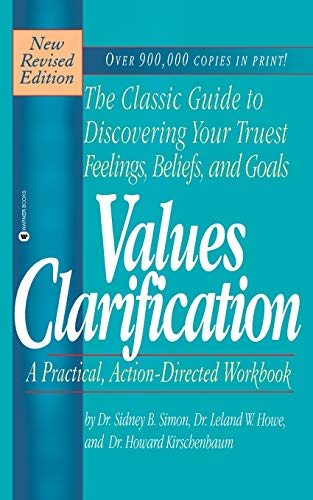
Values Clarification
As an affiliate, we earn on qualifying purchases.
As an affiliate, we earn on qualifying purchases.