
Implementing layered security creates a calm, effective environment by combining proactive measures like smart locks and access controls with reactive systems such as alarms and sensors. These layers work together to prevent and detect intrusions without feeling overwhelming or paranoid. You’ll enjoy peace of mind knowing your home is protected by multiple barriers that deter and respond to threats efficiently. If you want to explore how to build this balanced security, there’s more to uncover below.

Prime made for students and young adults
- Fast, free delivery for dorm and study essentials
- Prime Video and Amazon Music included
- Member-only deals
Key Takeaways
- Layered security combines access controls and alarm systems to create multiple barriers, reducing the likelihood of successful break-ins.
- Using proactive measures like smart locks and scheduled locking empowers homeowners without fostering paranoia.
- Alarm systems serve as loud deterrents and reactive tools, alerting residents or authorities to breaches.
- Integrating various security layers fosters a calm, confident environment by balancing vigilance with peace of mind.
- Complementing core layers with outdoor lighting and surveillance enhances security while maintaining a relaxed, non-paranoid approach.
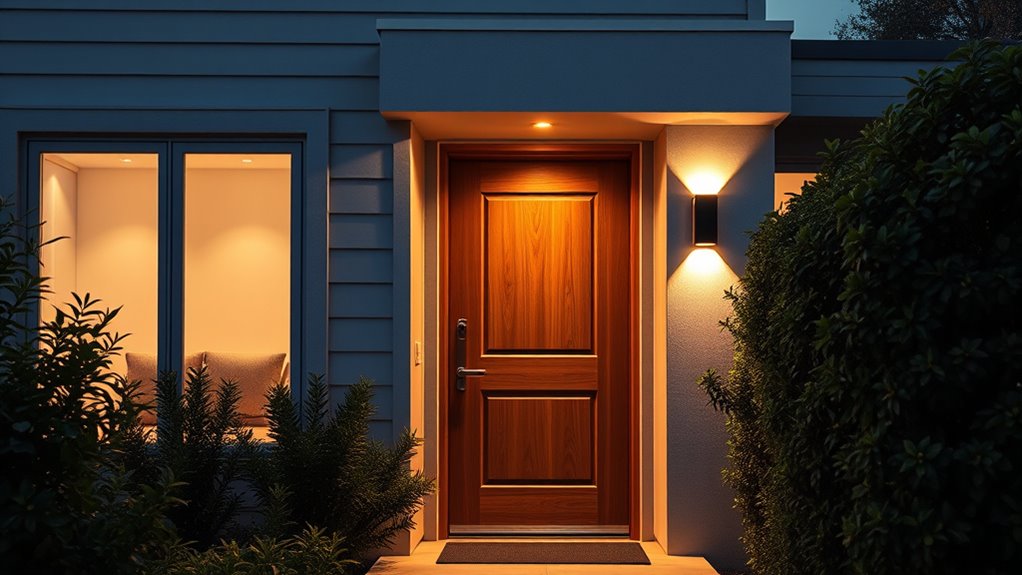
Creating a secure home isn’t about relying on a single solution; instead, it involves layering multiple security measures to work together effectively. When you think about home security, imagine it as a series of barriers that make it difficult for intruders to succeed. One of the foundational layers is access control, which helps you manage who enters your home and when. Installing smart locks or keypad entry systems allows you to restrict access to trusted individuals, preventing unauthorized entries. These systems can be programmed to lock or unbar at specific times, giving you peace of mind even when you’re not home. It’s a proactive approach that puts you in control, reducing the risk of break-ins through forced entry.
Layer security with access control to manage entry and prevent unauthorized access.
Alongside access control, alarm systems serve as a crucial second layer of security. When properly installed, alarm systems act as a loud warning that alerts you and others nearby if someone tries to breach your home. Modern alarm systems are connected to sensors on doors and windows, motion detectors inside, and sometimes even cameras. If an intruder tampers with these sensors, the alarm sounds immediately, often triggering a call to a monitoring service or directly notifying you. This instant response can deter burglars before they even have a chance to act. Alarm systems also provide a psychological barrier; knowing your home is protected by an audible alarm can dissuade would-be intruders from attempting a break-in altogether.
Together, access control and alarm systems create a layered defense that’s much more effective than relying on just one. While access control limits who can enter and when, alarm systems detect and respond to unauthorized attempts. This combination guarantees that even if someone manages to bypass one layer, the next is there to catch them. It’s about creating a thorough safety net that’s both active and reactive. You’re not just hoping your home is protected—you’re actively making it harder for intruders to succeed.
In addition, utilizing high-quality security equipment can significantly enhance your overall safety by ensuring reliable performance and integration across your security layers. Of course, these systems should be complemented with other measures such as outdoor lighting, surveillance cameras, and neighborhood watch programs. But focusing on access control and alarm systems as core layers gives you a strong foundation. Remember, home security isn’t paranoia; it’s about being prepared and confident. By layering these security measures thoughtfully, you build a calm, secure environment where you can relax knowing that multiple barriers stand between your family and potential threats.
Frequently Asked Questions
How Do I Assess My Home’s Specific Security Needs?
You should start with a security assessment to identify your home’s strengths and weaknesses. Conduct a vulnerability analysis by examining entry points, lighting, and surveillance options. Consider your neighborhood’s crime rates and your daily routines. Talk to neighbors for insights, and prioritize areas needing extra protection. This proactive approach helps you tailor security measures effectively, ensuring your home is well-protected without excess worry.
What Are Cost-Effective Security Layer Options for Small Homes?
You can enhance your small home’s security with cost-effective, DIY solutions like installing smart locks and door alarms, which are simple to set up and affordable. Use motion-activated lights around your property to deter intruders and reinforce doors with sturdy, inexpensive reinforcement plates. Consider adding security cameras with easy-to-install systems, and don’t forget to secure windows with affordable locks or sensors. These steps create effective layers without breaking the bank.
How Often Should I Update or Review My Security Layers?
How often should you update your security layers? Regularly, at least once a year, or after any significant life change. Conduct a security audit and threat assessment to identify vulnerabilities. Are your locks, cameras, and alarms still effective? Staying proactive ensures your home remains protected. Reviewing your security measures periodically helps catch new risks early and keeps your safety plan current with evolving threats.
Can Security Layers Be Integrated With Smart Home Systems?
Yes, you can integrate security layers with your smart home system. Modern smart home devices allow you to connect cameras, alarms, and access controls into an integrated security network. This makes it easier to monitor and manage your security remotely. By integrating security, you enhance your home’s safety, ensuring all layers work together seamlessly. Just make sure to choose compatible devices and keep your software updated for superior security.
What Are Common Mistakes to Avoid in Home Security Layering?
You should avoid security complacency, where you rely too heavily on one layer and overlook others. Over-investment risks can lead to unnecessary expenses, so evaluate your needs carefully. Don’t neglect regular maintenance or updates, as outdated systems can be vulnerable. Also, avoid sharing security details publicly, which can compromise your layers. Balancing investment, vigilance, and ongoing care guarantees your home stays secure without falling into the trap of false confidence.
Conclusion
By layering your home security, you’re substantially reducing the risk of break-ins—homes with multiple security measures are 60% less likely to be targeted. Remember, it’s about creating a calm, confident environment rather than paranoia. Each layer adds peace of mind, making your home a less attractive target. Stay proactive, stay secure, and trust that these simple steps can make a big difference in protecting what matters most to you.
Fall Picks
fall essentials
As an affiliate, we earn on qualifying purchases.