

Creating a simple backup plan is easier than you think. Start by choosing a trusted cloud service or external drive to store copies of your important files. Set up automatic backups so you don’t have to remember it yourself. Keep things organized with clear folders and labels, and test your backups regularly to make sure they work when needed. If you stick to a straightforward process, you can prevent disaster without technical fuss—more tips follow below.
Open a free Amazon Business account
Business pricing, bulk buying and tax-exempt orders.
As an affiliate, we earn on qualifying purchases.
Key Takeaways
- Regularly back up important files to a trusted cloud service or external drive.
- Automate backups to keep data current without manual effort.
- Use clear, organized folder structures and descriptive file names for easy recovery.
- Test your backups periodically to ensure files can be restored correctly.
- Keep backups encrypted and stored in secure locations to protect sensitive information.
As an affiliate, we earn on qualifying purchases.
Why Protecting Your Files With Backups Is Easy and Important

Protecting your files with backups is both simple and essential because data loss can happen unexpectedly, whether from hardware failure, theft, or accidental deletion. Backups ensure your important files remain safe, giving you peace of mind. To strengthen file security, consider encrypting your data, which protects sensitive information from unauthorized access. Data encryption transforms your files into a secure format that only you can access with a password or key. This added layer of protection is especially important if your backups are stored remotely or in the cloud. Implementing cloud security measures further ensures your data remains protected against cyber threats. Additionally, using local automation to regularly update and verify your backups can prevent data corruption or omission. Incorporating monitoring tools can help detect backup failures early and ensure your data is consistently protected. With just a few straightforward steps, you can safeguard your digital life, making it easy to recover your files quickly and confidently if disaster strikes. Protecting your files isn’t complicated—it’s a crucial part of managing your digital security. Data encryption enhances your overall file protection by preventing unauthorized access even if your backup is compromised.
cloud backup service subscription
As an affiliate, we earn on qualifying purchases.
As an affiliate, we earn on qualifying purchases.
How to Choose the Best Backup Storage for Beginners

Choosing the right backup storage means considering different options like external drives, cloud services, or network storage. You also want to think about how much they cost and how easy they are to access when you need your files. Let’s explore these points to find the best fit for your needs. Additionally, understanding safe electrical connections can help prevent hazards when setting up your backup systems. Ensuring proper grounding can further reduce risks associated with electrical setups, especially in outdoor or variable environments. Taking the time to assess your backup needs ensures you select a reliable and suitable solution that will keep your data safe when it matters most. Being aware of cookie categories and how they affect your online privacy can help you manage your data security effectively. To support your backup system safely, knowing about electrical safety practices can help prevent potential electrical hazards during installation or use.
Storage Type Options
When selecting the best backup storage, it’s important to contemplate the different options available and how they fit your needs. Cloud storage offers convenience and remote access, making it easy to back up and restore files from anywhere. It’s ideal if you want a hassle-free setup and automatic backups. External drives, on the other hand, provide a physical backup that you control directly. They’re perfect for quick access, large file backups, or if you prefer not to rely on internet connectivity. Both options have their benefits, so consider how you’ll use your backups, how much storage you need, and how comfortable you are with managing hardware or online services. Choosing the right storage type ensures your data stays safe and easily recoverable when disaster strikes. Additionally, understanding total-cost clarity can help you weigh initial expenses against long-term maintenance costs. To make the best decision, evaluate the backup frequency that aligns with your data importance and how quickly you need to recover files. Considering your data security preferences is also essential to protect sensitive information from unauthorized access. Incorporating backup redundancy can further enhance your data safety by providing multiple layers of protection.
Cost and Accessibility
Considering your storage options, cost and accessibility play key roles in selecting the right backup solution. You want a solution that offers good cost efficiency without sacrificing ease of access. Cloud storage services often provide flexible accessibility options, allowing you to retrieve files from any device with an internet connection. They typically have tiered plans, so you can choose a budget-friendly option that meets your needs. External hard drives or USBs may have a higher upfront cost but offer straightforward access without ongoing fees. When evaluating options, balance cost efficiency with how easily you can access your backups when needed. Ultimately, the best choice ensures your data is protected and readily available, without breaking the bank or complicating your backup routine.
As an affiliate, we earn on qualifying purchases.
Step-by-Step: Setting Up Your Backup System Without Nerd Jargon

Setting up your backup system is easier than you think, and it starts with choosing the right method for your needs. Once you’ve picked a system, automating the backups guarantees your files stay safe without extra effort. I’ll guide you through these simple steps, so you don’t need any technical jargon to get started. To ensure your home setup remains reliable, understanding the importance of fundamentals like picture and sound can help you make smarter decisions. For example, considering backup frequency can prevent data loss. Additionally, incorporating smart‑home integrations like automated routines can streamline your backup and maintenance processes, making everything more efficient. Recognizing how connected appliances function within your system can further enhance your overall backup strategy and prevent potential issues. Being aware of system reliability can help you choose the most dependable setup for your needs.
Choosing Your Backup Method
Choosing the right backup method is an important step toward keeping your data safe and accessible. You want a solution that fits your needs, budget, and comfort level. Consider these options:
- External hard drives for quick, local access
- Cloud storage for automatic, off-site backups
- Hybrid approaches combining both local and cloud options
- Secure cloud providers emphasizing cloud security and data encryption
- Manual or automated backups based on your preference
Prioritize solutions that offer strong cloud security and data encryption to protect your information from unauthorized access. Think about how often you’ll need to back up your data and how easily you can restore it. Select a method that balances convenience with security, giving you peace of mind knowing your data is protected without complicated setups.
Automating Backup Processes
Automating your backup process makes protecting your data easier and more reliable. By setting up automatic backups, you ensure your files stay current without manual effort. Use cloud synchronization to keep your data updated across devices effortlessly. Encryption techniques safeguard your files during transfer and storage, preventing unauthorized access. To simplify, create a schedule for backups—daily or weekly—that runs behind the scenes. Here’s a quick overview:
| Step | Action | Benefit |
|---|---|---|
| Choose automation tool | Select software that supports scheduled backups | Saves time and reduces errors |
| Set sync frequency | Decide how often your files update in the cloud | Keeps data current |
| Enable encryption | Activate encryption options during setup | Protects sensitive info |
| Test the system | Run a test backup to confirm everything works smoothly | Ensures reliability |
| Monitor regularly | Check backups periodically for issues | Maintains peace of mind |
As an affiliate, we earn on qualifying purchases.
Automate Your Backups to Save Time and Never Forget

To guarantee your backups happen consistently without you having to think about them, automating the process is essential. Set up automated backups to run at regular intervals, like daily or weekly, based on your data’s importance. This helps you create calmer, more functional homes by reducing manual effort and stress. This reliability is especially important when managing art collections or other valuable items. This ensures you never forget to back up or miss critical files. Use tools that support file encryption to keep your data secure during each backup. Choose a backup frequency that balances saving time and maintaining current data copies. Automating reduces manual effort and minimizes errors. Remember to verify your automation settings periodically to ensure everything runs smoothly. Additionally, selecting backup solutions with high performance ratings can improve reliability and speed during data transfer. Regularly checking backup logs helps detect issues early and maintain backup integrity. Incorporating scheduled testing of your backups can further ensure data recoverability in case of emergencies. Schedule backups during off-peak hours to avoid disrupting your daily activities. Use reliable backup software with auto-start features to streamline the process. Enable file encryption for security, especially when storing sensitive information. Adjust backup frequency as needed based on how often your data changes.
Organize and Label Your Backup Files for Quick Restores
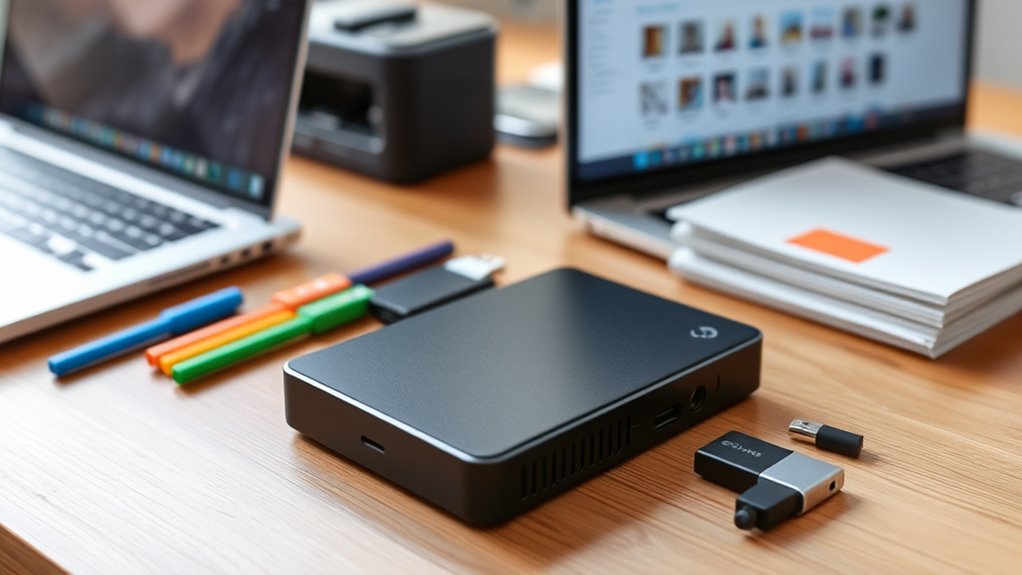
Organizing and labeling your backup files is essential for quick and efficient restores. Proper file organization helps you locate specific files fast, saving valuable time during a crisis. Use clear folder structures that reflect your data categories, such as documents, photos, or emails. Label your backup files with descriptive names, including dates and version numbers, to identify the most recent versions easily. Implement consistent labeling strategies, like date formats (YYYY-MM-DD), so you can sort files chronologically without confusion. Avoid vague names like “Backup1” or “Files,” which slow down recovery. By keeping your backup files well-organized and clearly labeled, you’ll streamline the restore process, reduce frustration, and ensure you can retrieve your data quickly when it counts most. Additionally, understanding the importance of file management techniques can further improve your backup system’s efficiency.
Test Your Backup Files to Make Sure They Work When You Need Them

Have you ever thought about what happens if your backup files turn out to be compromised or incomplete when you need them most? To prevent this, it’s essential to regularly perform restore testing. This ensures not only file integrity but also confirms that your backup can actually be used in an emergency.
Here are key steps to follow:
- Choose a small, recent backup to test
- Use the original restore process to verify success
- Check that all files open and function properly
- Confirm that no data is corrupted or missing
- Document your test results for future reference
Troubleshoot Common Backup Problems and Fix Them Fast

Even after testing your backup files, issues can still arise when you try to restore them. Common problems include corrupted files, incomplete backups, or encryption errors. If your backup uses file encryption, verify the decryption key is accessible and correct; otherwise, recovery becomes impossible. Sometimes, backups fail due to interrupted transfers or storage issues, so confirm your storage device’s integrity. Fast troubleshooting involves checking error messages, restoring from an earlier backup if needed, and ensuring your backup software is up to date. Remember, a reliable disaster recovery plan depends on knowing how to fix these issues quickly. Keep your backup files organized and regularly tested, so when disaster strikes, you can restore with confidence and minimal downtime.
Keep Your Backup System Simple, Reliable, and No-Nerd Needed

To keep your backup system simple and reliable, focus on straightforward solutions that don’t require technical expertise. Use cloud storage providers that offer automatic backups, encryption, and easy recovery options. Avoid complicated setups or too many tools that can cause confusion. Guarantee your files are encrypted to protect sensitive data during transfer and storage. Select a cloud service known for reliability and security, so you don’t have to worry about data loss. Remember, simplicity means less chance of errors. Here are some ideas:
- Choose reputable cloud storage with built-in file encryption
- Automate backups to run without manual intervention
- Use a single, trusted platform for all backups
- Regularly verify your backups work
- Keep your backup process easy and consistent
Frequently Asked Questions
How Often Should I Update My Backup Files?
You should update your backup files regularly to keep your data safe. Aim for a backup schedule that matches how often your data changes—daily or weekly backups work well for most people. If you add or change important files frequently, increase your backup frequency. This way, you minimize data loss and guarantee your backups are current, giving you peace of mind in case of a disaster.
Can I Use Multiple Backup Methods Simultaneously?
You can absolutely use multiple backup methods simultaneously—it’s like not putting all your eggs in one basket. This approach creates redundant backups, so if one fails, others are there to save the day. Just remember to verify your backups regularly; even the best plans need backup verification. Combining cloud and external drives gives you peace of mind, ensuring your data stays safe no matter what happens.
What Should I Do if My Backup Files Won’T Restore?
If your backup files won’t restore, first check for file corruption or storage encryption issues. Try restoring from an earlier backup or a different copy, and guarantee encryption settings aren’t blocking access. Disable any encryption temporarily, then attempt the restore again. If problems persist, use data recovery tools or seek help from the backup software’s support. Regularly testing your backups helps prevent surprises during critical restores.
Is Cloud Storage Safe for Sensitive Information?
Cloud storage is like a vault for your sensitive info, but you need to guarantee it’s secure. With strong encryption security, your data stays private, just like a safe behind a locked door. Data redundancy also helps, so even if one server fails, your info remains safe and accessible. As long as you choose reputable providers with solid security measures, cloud storage can be a safe option for sensitive information.
How Do I Know if My Backup System Is Working Properly?
You can verify your backup system works by regularly testing your files. Confirm your backups use disk encryption to keep data safe. Automate backups so they happen consistently without manual effort. Check backup logs and perform restore tests to confirm data integrity. If your files restore correctly and encryption remains intact, your system is operating properly. Regular testing provides peace of mind that your backup plan is reliable and ready when needed.
Conclusion
Think of your backup system as a safety net beneath your digital life. When disaster strikes—whether a crash or a mistake—you’ll land safely, knowing your files are right there, ready to catch you. With a simple, reliable plan, you won’t have to worry about lost memories or important work. Just like a trusted friend, your backup keeps everything secure and easy to restore, so you can focus on what truly matters—without stress.
Flea & tick season Picks
flea and tick prevention
As an affiliate, we earn on qualifying purchases.