To ensure your cancellation email isn’t ignored, be clear, concise, and polite. Start with a friendly greeting, state the cancellation reason briefly, and include key details like the date and time. Use professional language, incorporate relevant keywords naturally, and offer rescheduling options if possible. Timing is vital—send your message early and at ideal hours to increase chances of a prompt response. Keep your tone respectful; following best practices helps maintain good relationships even when canceling. If you continue, you’ll discover there are more ways to craft effective messages.

Prime made for students and young adults
- Fast, free delivery for dorm and study essentials
- Prime Video and Amazon Music included
- Member-only deals
Key Takeaways
- Use a clear, direct subject line indicating the cancellation purpose.
- Personalize the message with the recipient’s name and relevant details.
- Communicate promptly and avoid last-minute cancellations to show respect.
- Maintain a polite, professional tone with a brief explanation if appropriate.
- Offer alternatives or rescheduling options to demonstrate willingness to maintain the relationship.
professional cancellation email template
As an affiliate, we earn on qualifying purchases.
As an affiliate, we earn on qualifying purchases.
Why Clear Cancellation Emails Prevent Misunderstandings
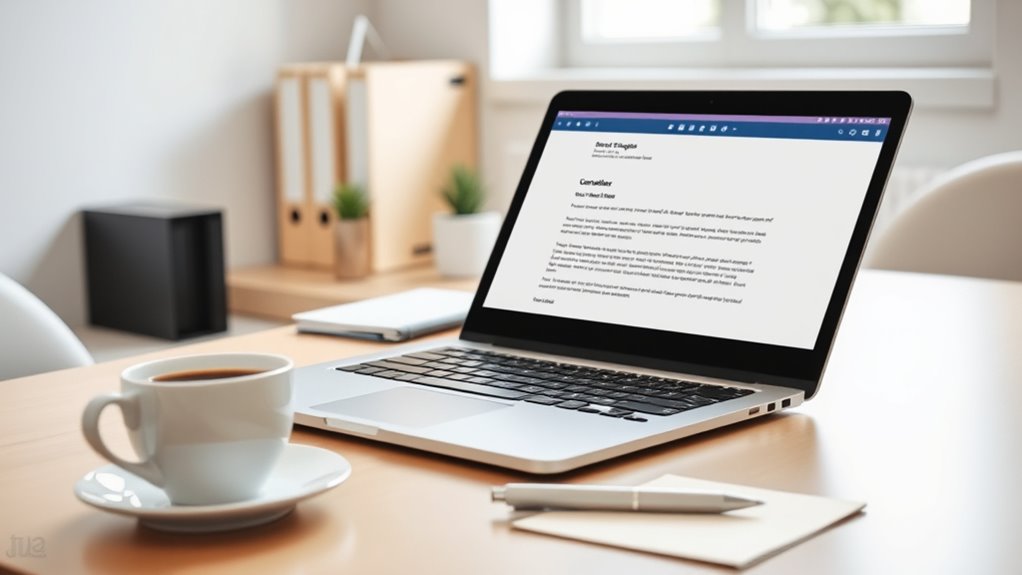
Clear cancellation emails are essential because they help prevent misunderstandings. When you communicate clearly, you show respect for your recipient’s time and avoid confusion. Good email etiquette involves being direct yet polite, ensuring your message is easy to understand. Clarity in communication means including all necessary details—such as the cancellation reason, date, and any follow-up actions—so there’s no ambiguity. Avoid vague statements or leaving room for assumptions. A well-structured cancellation email reduces the chance of misinterpretation and helps maintain a professional relationship. Remember, the goal is to be transparent and respectful, making it simple for your recipient to understand your message without needing clarification. Effective communication is also about choosing the right tone and format to ensure your message is received as intended. Ensuring your message aligns with projector image quality standards can enhance understanding and professionalism, especially in formal contexts. Additionally, using clear language can significantly improve how your message is perceived and reduce the likelihood of confusion. Incorporating precise wording further helps convey your message accurately and efficiently, saving everyone time and frustration. In the digital age, AI tools can assist in drafting clear and concise messages, reducing the risk of misunderstandings.
email writing guide for business
As an affiliate, we earn on qualifying purchases.
As an affiliate, we earn on qualifying purchases.
Choosing the Right Tone to Respect Your Recipient

How you choose your words can make a significant difference in how your cancellation email is received. Maintaining tone consistency shows respect and professionalism, helping to preserve your relationship. Use emotional intelligence to gauge your recipient’s perspective and avoid sounding dismissive or overly casual. A compassionate and empathetic tone signals you understand their situation, even if you’re canceling. Be clear but polite, balancing honesty with kindness. This thoughtful approach demonstrates consideration for recipient feelings and can help prevent misunderstandings. Incorporating effective communication techniques ensures your message is both respectful and impactful. Being mindful of tone management can also help you adjust your message to suit different contexts and recipients. This approach ensures your message communicates your intent without causing offense. Remember, the right tone can turn a potentially negative interaction into an opportunity for understanding. By being mindful of your language and emotional cues, you demonstrate respect and foster goodwill, increasing the chances of a positive response and future cooperation. Additionally, considering workplace communication principles can help ensure your message aligns with broader standards of professionalism and clarity. Recognizing how emotional intelligence influences tone can further improve your message’s effectiveness.
editable cancellation email Word template
As an affiliate, we earn on qualifying purchases.
As an affiliate, we earn on qualifying purchases.
Timing Your Cancellation Email for Better Responses

Timing your cancellation email carefully can increase the chances of a prompt response. Send it during ideal time slots, avoiding peak business hours when your recipient might be busy. Also, consider different time zones to guarantee your message arrives at a convenient moment. Incorporating user consent preferences can further improve your communication effectiveness by respecting recipient boundaries. Additionally, leveraging European cloud innovation principles can help align your messaging with sustainable and secure communication standards. Being aware of privacy policies and how they influence email communication can ensure your message remains compliant and trustworthy. Understanding website overview can provide insights into appropriate timing based on user activity patterns. Recognizing the importance of water park seasonal schedules can help you choose optimal times for sending your emails, especially if your target audience is planning leisure activities around water-related attractions.
Choose Optimal Time Slots
Have you ever considered how the timing of your cancellation email can influence the response you receive? Sending your message at the right time can increase the chances of a prompt reply. Aim to send your cancellation early enough so it acts as a helpful appointment reminder, giving the recipient time to adjust their schedule. Avoid sending it during busy hours or right before the appointment, as it might seem abrupt. If you’re aware of scheduling conflicts, choose a time when the recipient is likely checking their inbox, such as mid-morning or early afternoon. This ensures your cancellation isn’t lost in a flood of messages. Thoughtful timing demonstrates respect for their schedule and increases the likelihood they’ll respond constructively. Being aware of decoding slang and informal language can also help you craft a message that feels more personable and considerate. Additionally, understanding time zone differences can help you select the most appropriate time for your email to be seen. Considering email response times can further optimize your chances of receiving a quick reply. Recognizing outdoor activity patterns can also provide insight into when your recipient is most likely to check their email, especially if they are outdoor enthusiasts who may be offline during certain hours.
Avoid Peak Business Hours
Sending your cancellation email during busy business hours can reduce the chance of it being noticed or received promptly. Peak hours, typically mid-morning to early afternoon, see the highest influx of customer emails and calls, making it harder for your message to stand out. If you send your email during these times, it risks getting buried or overlooked amid the influx of other communications. To improve your chances of a timely response, aim for periods when customer availability is higher but not overwhelmed—early mornings or late afternoons often work best. Timing your email outside peak hours shows respect for their busy schedule and increases the likelihood that your message will be seen and addressed quickly.
Consider Time Zone Differences
Since your cancellation email might arrive when the recipient isn’t actively working, considering time zone differences is essential. You want your message to be seen when they’re most receptive, so keep time zone considerations in mind. Check their local working hours to avoid sending during off-hours or weekends, which can delay responses. If possible, incorporate scheduling flexibility by choosing a time when they’re likely to be checking emails. Sending your cancellation early in their workday increases the chance of a prompt reply. Remember, timing impacts response rates. By thoughtfully timing your email with awareness of their time zone, you improve your chances of receiving a timely, respectful response. Adjusting your schedule shows professionalism and consideration.
email etiquette guide for professionals
As an affiliate, we earn on qualifying purchases.
As an affiliate, we earn on qualifying purchases.
Be Honest and Concise When Explaining Your Cancellation

Being honest and concise when explaining your cancellation helps maintain professionalism and respect. Clear communication shows you value the other person’s time and effort. Focus on honest communication by briefly stating your reason without oversharing. Use concise messaging to keep your message straightforward and easy to understand. To illustrate, consider this table:
| Reason for Cancellation | How to Communicate It | Tone |
|---|---|---|
| Schedule conflict | “Due to unforeseen commitments, I must cancel.” | Respectful and direct |
| Budget constraints | “I’m unable to continue at this time.” | Honest and concise |
| Personal reasons | “Personal matters prevent me from proceeding.” | Brief and straightforward |
Stick to these principles to ensure your cancellation email is respectful and effective. Additionally, be mindful of passive voice to make your message clearer and more direct. Recognizing the importance of effective communication can significantly improve your professional relationships and reputation.
Include Key Details to Avoid Confusion
Including key details in your cancellation email helps prevent confusion and makes certain the recipient understands exactly what’s happening. Clearly state the date and time of the scheduled appointment or event, so there’s no ambiguity. Mention your reason for canceling briefly, if appropriate, but avoid over-explaining. Be aware of email etiquette by being polite and professional. Also, reference any relevant cancellation policies, such as deadlines or fees, to set clear expectations. Including these details ensures your message is straightforward and minimizes back-and-forth clarifications. When your email is precise about the what, when, and why, it demonstrates respect for the recipient’s time and helps maintain a positive relationship, even when delivering unwelcome news. Additionally, using clear communication practices can improve overall understanding and response rates. Being aware of appliance maintenance plans and their importance can also help you communicate more effectively, especially when discussing scheduling or cancellations related to service appointments. Properly managing these details supports fostering a digital-friendly environment at home, which can be beneficial for both personal and professional interactions.
Personalize Your Message to Maintain Good Relationships

Start your cancellation email with a personal greeting to show you value the relationship. Clearly expressing your appreciation helps maintain goodwill, even when ending plans. This approach keeps the tone respectful and leaves the door open for future interactions.
Use Personal Greetings
Using a personal greeting helps set a respectful and friendly tone for your cancellation email. Personalized greetings show you value the recipient and adhere to proper email etiquette, which encourages a positive response even when delivering bad news. Address the person by their name instead of a generic salutation, such as “Dear John” instead of “Hello,” to make your message feel more genuine. This small gesture demonstrates your professionalism and consideration, helping maintain good relationships. When you incorporate personalized greetings, your email feels less transactional and more thoughtful. Remember, in cancellation emails, establishing a courteous tone from the start can make the recipient more receptive to your message, preventing misunderstandings and preserving your reputation.
Express Appreciation Clearly
Expressing genuine appreciation in your cancellation email shows respect and helps maintain a positive relationship. Use polite language to acknowledge the value of the service, product, or relationship, even as you cancel. An emotional tone that conveys gratitude can soften the message and prevent misunderstandings. For example, thank the recipient for their support or understanding, highlighting any positive experiences you’ve had. This approach demonstrates your professionalism and consideration. Keep your message sincere and straightforward, avoiding overly formal or cold language. By clearly expressing appreciation, you leave the door open for future interactions and show that your decision isn’t personal or dismissive. Maintaining this respectful tone ensures your cancellation doesn’t burn bridges but instead fosters goodwill.
Use a Professional Format That Looks Respectful

When canceling a service or appointment via email, maintaining a professional format is essential to show respect and credibility. Use formal language and adhere to proper email etiquette to make your message clear and respectful. Start with a polite greeting, then state your cancellation reason briefly and directly. Keep your tone courteous, avoiding slang or casual expressions. Use a clean, organized layout with short paragraphs, and include a clear subject line that indicates the email’s purpose. Sign off professionally with your full name and contact information. This respectful format demonstrates your seriousness and consideration, making it more likely your cancellation is received positively. A well-structured email reflects professionalism and helps maintain good relationships, even when you need to cancel.
Incorporate Keywords Naturally for Better Engagement

Incorporating keywords naturally into your cancellation email can substantially boost its effectiveness and engagement. When you weave keywords like “email etiquette” and “message personalization” seamlessly into your message, it shows professionalism and respect. Using relevant keywords thoughtfully enhances clarity without sounding forced. Consider how these keywords fit into your tone and context. Here’s a quick guide:
| Keyword | Placement Tips | Impact |
|---|---|---|
| Email etiquette | Use in greetings or closing | Demonstrates professionalism |
| Message personalization | Tailor content to recipient | Builds trust and relevance |
| Clear communication | Include in explanations | Reduces misunderstandings |
| Respectful tone | Use throughout the message | Maintains respectful engagement |
| Conciseness | Keep keywords concise | Ensures readability |
Handle Follow-Up Questions and Offer Solutions
Have you received follow-up questions after sending your cancellation email? If so, respond promptly and professionally, sticking to clear language and the appropriate cancellation etiquette. Sometimes, recipients may prefer alternative communication methods, like a quick phone call or chat, to clarify details or discuss next steps. Offering solutions shows you’re willing to help, even if you’re canceling. For example, suggest rescheduling or provide alternative options if relevant. Keep your tone respectful and empathetic, acknowledging their concerns without over-committing. Handling follow-up questions with patience and transparency demonstrates your professionalism and builds goodwill. This proactive approach not only addresses concerns but also reinforces your credibility, making future interactions smoother and maintaining positive relationships despite the cancellation.
Review and Edit Your Email for Clarity and Tone

Before sending your cancellation email, review and edit it carefully to make certain your message is clear and respectful. Pay attention to email etiquette, guaranteeing your tone remains polite and professional. Read your message aloud to catch any confusing phrasing or ambiguous language. Adjust the tone as needed to sound empathetic and considerate, avoiding any harsh or abrupt phrases. Clarify your reason for canceling without overexplaining, and confirm that all key details are accurate. Check for grammatical errors and ensure your message flows smoothly. Remember, a well-edited email demonstrates respect for the recipient and increases the likelihood of a positive response, even when delivering unwelcome news. Taking these steps helps your cancellation email come across as courteous and effective.
Frequently Asked Questions
How Do I Handle Last-Minute Cancellations Professionally?
When handling last-minute cancellations professionally, you should maintain a respectful and empathetic tone, showing understanding of the situation. Communicate clearly and promptly with the affected party, explaining your reasons briefly. Apologize sincerely for any inconvenience caused and offer to reschedule if possible. Keeping your message concise, polite, and transparent demonstrates a professional tone and helps preserve your relationship, even in unexpected situations.
What Should I Include if I Can’t Provide a Full Reason?
If you can’t provide a full reason, include a partial explanation and a vague apology to show courtesy. Say something like, “Due to unforeseen circumstances, I need to cancel, and I apologize for any inconvenience.” Keep it brief but respectful, emphasizing your regret and understanding. This approach maintains professionalism without over-sharing, helping to preserve goodwill and encourage future engagement.
How Can I Maintain Goodwill After Canceling?
Think of maintaining goodwill after canceling like tending a garden—you nurture it with care. Show genuine customer appreciation by thanking your clients for their past support, even if you’re ending the relationship. Offer to stay connected for future engagement, perhaps with updates or exclusive offers. This approach leaves a positive impression, encouraging future opportunities and reinforcing respect, so your customers feel valued rather than dismissed.
What’s the Best Way to Apologize in a Cancellation Email?
To apologize effectively in a cancellation email, you should use an apology tone that’s genuine and respectful. Clearly express your sincerity by acknowledging any inconvenience caused, and avoid overly formal language that might seem insincere. Keep your message concise, take responsibility, and show appreciation for their understanding. This approach demonstrates your sincerity expressed, helping maintain goodwill despite the cancellation.
How Do I Manage Multiple Cancellations Simultaneously?
When managing multiple cancellations, you’ve got to hit two birds with one stone. Start by drafting a clear, personalized email for each group, mentioning group discounts if applicable. Use rescheduling tips, like offering new dates upfront, to keep everyone on board. Keep your tone empathetic and organized, showing you value their time. Sending timely, considerate messages guarantees your message isn’t lost and helps maintain good relationships.
Conclusion
Just like a captain steering clear of storms, crafting your cancellation email with clarity and respect keeps your message smooth sailing. By choosing the right tone, timing, and details, you prevent misunderstandings and preserve relationships. Remember, your words are the compass guiding your recipient’s response—so be honest, concise, and professional. When you handle cancellations thoughtfully, you set a course for future opportunities, proving that even endings can lead to new beginnings.
Fall Picks
fall essentials
As an affiliate, we earn on qualifying purchases.