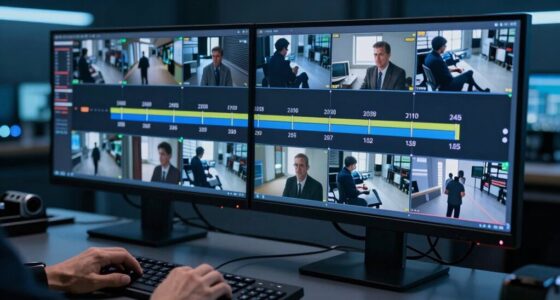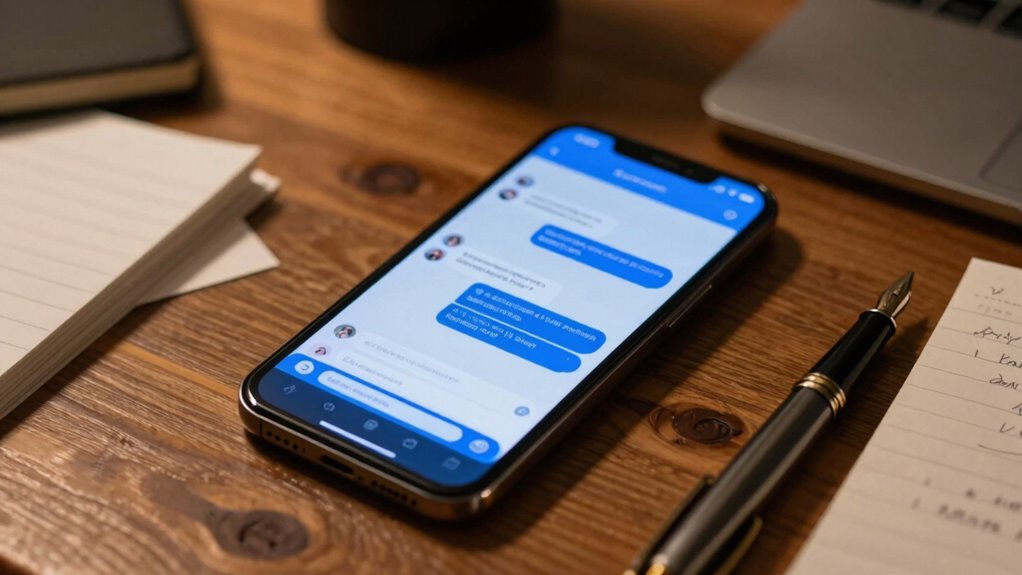

Screenshots can matter more than memory because they provide a reliable, visual record that captures details accurately at the moment. They reduce mental load by externalizing information, helping you organize and verify facts easily. Unlike memory, which can fade or distort, screenshots serve as concrete proof in disputes and enhance your digital literacy. They also support better understanding of complex information, safeguarding important details. Keep exploring how visual records can strengthen your ability to manage digital information more effectively.

Prime made for students and young adults
- Fast, free delivery for dorm and study essentials
- Prime Video and Amazon Music included
- Member-only deals
Key Takeaways
- Screenshots create a reliable, unalterable visual record that prevents details from being forgotten or distorted over time.
- They reduce cognitive load by externalizing information, freeing mental resources for other tasks.
- Visual snapshots improve understanding and retention of complex or detailed information.
- Screenshots provide objective evidence, supporting accurate recall and verification of events or data.
- They enhance digital literacy and safeguard memories by creating lasting, trustworthy visual documentation.
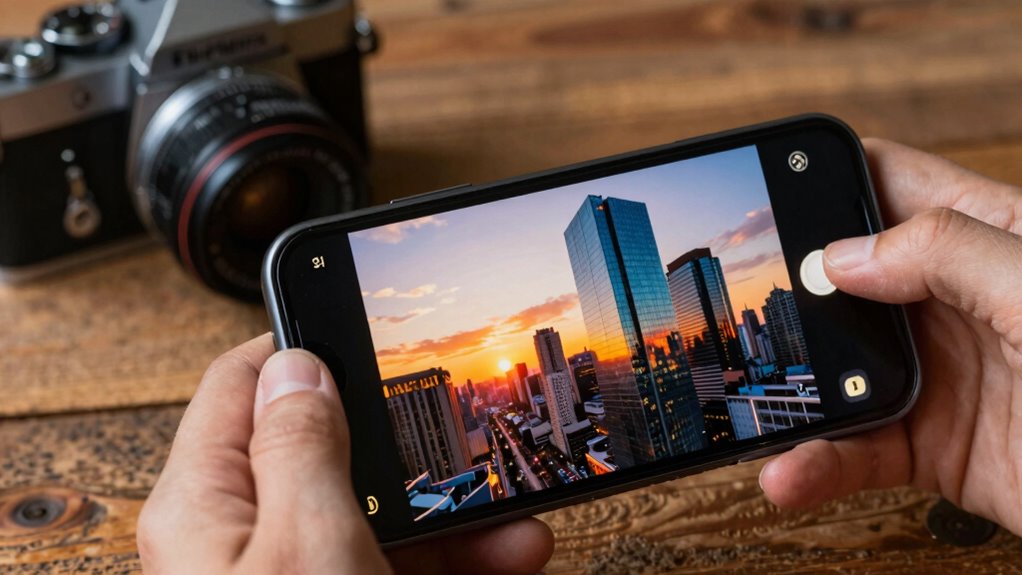
Have you ever wondered how taking a screenshot can impact your memory? It might seem like a simple action—just capturing what’s on your screen—but it actually plays a significant role in how you remember and preserve information. When you take a screenshot, you’re engaging in digital preservation, creating a visual record that can be revisited anytime. This process transforms fleeting moments into concrete, retrievable evidence, guaranteeing that important details aren’t lost over time. Visual documentation through screenshots becomes a reliable way to keep track of information, especially in our fast-paced digital world where memories can easily fade or become distorted.
Instead of relying solely on your brain to remember every detail, you create a visual snapshot that becomes a reference point. This is especially useful when dealing with complex data, instructions, or conversations that might be hard to recall accurately later. Screenshots serve as an external memory bank, reducing the cognitive load and allowing you to focus on other tasks without the fear of forgetting critical information. As a result, your mental resources are freed up, making your overall memory more efficient. You’re not just passively storing information—you’re actively enhancing your memory by supplementing it with visual documentation.
Creating visual snapshots reduces mental load and boosts memory efficiency through external, tangible references.
Furthermore, taking screenshots influences how you process information. When you capture an image of something important, you’re more likely to pay closer attention to the details at that moment. This act of visual documentation can strengthen your understanding and retention because you’re engaging with the material in a tangible way. It also facilitates better organization of information; instead of scattered notes or vague memories, you have a clear, visual record to reference. Over time, these screenshots can serve as a personalized archive, allowing you to revisit past conversations, settings, or instructions whenever needed. The ability to organize digital content effectively makes screenshots an invaluable tool for managing information. Additionally, this practice supports the development of digital literacy skills, which are increasingly important in today’s technology-driven environment.
In addition, screenshots can be vital in situations where memories might be unreliable or biased. They provide an objective record that can support your recollections, especially during disputes or misunderstandings. By preserving visual evidence of what actually occurred, you minimize the risk of misremembering or misinterpreting details. This aspect of digital preservation guarantees that your memories are backed up by concrete visual proof, making your understanding of events more accurate and trustworthy. Incorporating visual evidence into your memory process can also help you develop a more critical approach to information, encouraging careful verification and awareness. Recognizing the importance of digital documentation can elevate your ability to verify facts and avoid misinformation. Ultimately, screenshots aren’t just about convenience—they’re about safeguarding your memories and creating a lasting visual documentation that can matter more than your fleeting recall.
high-resolution screenshot capture tool
As an affiliate, we earn on qualifying purchases.
As an affiliate, we earn on qualifying purchases.
Frequently Asked Questions
How Do Screenshots Impact Digital Evidence Collection?
Screenshots impact digital evidence collection by providing visual authenticity, capturing exactly what you see on screen at a specific moment. They help preserve metadata, such as timestamps and device info, ensuring the evidence remains credible in investigations. By maintaining both visual authenticity and metadata preservation, your screenshots serve as reliable and convincing proof, making them invaluable in legal and forensic contexts where digital integrity is paramount.
Can Screenshots Replace Traditional Memory in Legal Cases?
You can’t rely solely on screenshots to replace traditional memory in legal cases, as they symbolize a snapshot of truth but lack the depth of genuine memory. Screenshots aid in user verification and provide visual proof, but they lack legal authenticity without proper context. You need both, as screenshots support your case, yet authentic memory remains essential for a complete, credible account in court.
Are There Privacy Concerns With Storing Screenshots?
Yes, there are privacy concerns with storing screenshots because they can contain sensitive information. You might expose private data accidentally, leading to privacy risks. Additionally, if your data security isn’t strong, hackers could access these images. To protect yourself, always store screenshots securely, limit access, and be mindful of what’s captured. Being cautious helps prevent privacy breaches and keeps your information safe from unauthorized eyes.
How Do Screenshots Differ Across Various Devices?
Screenshots differ across devices mainly due to device compatibility and screenshot quality. You’ll find that smartphones, tablets, and computers each have unique methods for capturing images, affecting resolution and color accuracy. Some devices offer advanced editing tools or higher resolution options, while others may produce lower-quality images. Understanding these differences helps you choose the right device for your needs, ensuring your screenshots meet your expectations and are suitable for sharing or archiving.
What Are the Limitations of Relying on Screenshots?
Relying on screenshots has limitations because they can compromise visual authenticity and contextual accuracy. Screenshots might not capture dynamic or interactive content accurately, leading to misinterpretation. They can also be edited or manipulated, reducing trustworthiness. Additionally, screenshots often lack context, making it harder to understand the full situation. You should be cautious and consider other evidence or methods to guarantee complete, accurate understanding instead of solely depending on screenshots.
digital screenshot organizer software
As an affiliate, we earn on qualifying purchases.
As an affiliate, we earn on qualifying purchases.
Conclusion
So, next time you’re tempted to forget, remember that screenshots are like anchors in the stormy sea of forgetfulness. They capture moments that memory alone might let slip away, transforming fleeting details into lasting proof. In a world overflowing with information, don’t just rely on your mind—clutch those images, because sometimes, a simple screenshot is worth a thousand memories, anchoring your story when memory fades into the shadows.
screen capture device for computers
As an affiliate, we earn on qualifying purchases.
As an affiliate, we earn on qualifying purchases.
As an affiliate, we earn on qualifying purchases.
Halloween Picks
halloween
As an affiliate, we earn on qualifying purchases.