
Your air purifiers and vacuums work better when you stick to good habits like daily cleaning, regular filter changes, and controlling humidity. These routines prevent dust, pet dander, and allergens from settling and piling up, which allows your equipment to operate more efficiently. Consistency and proper maintenance maximize the devices’ ability to remove pollutants and improve your indoor air quality. Keep these habits in mind, and you’ll discover ways to make your air clean and healthy every day.

Prime made for students and young adults
- Fast, free delivery for dorm and study essentials
- Prime Video and Amazon Music included
- Member-only deals
Key Takeaways
- Regular cleaning reduces dust and allergens, making air purifiers more effective at filtering remaining particles.
- Consistent maintenance of vacuums and filters ensures optimal performance of air cleaning devices.
- Proper routines prevent dirt buildup, allowing vacuums and purifiers to operate efficiently.
- Managing humidity and clutter enhances the overall effectiveness of air purification efforts.
- Good habits create a healthier environment, maximizing the benefits of air quality equipment.
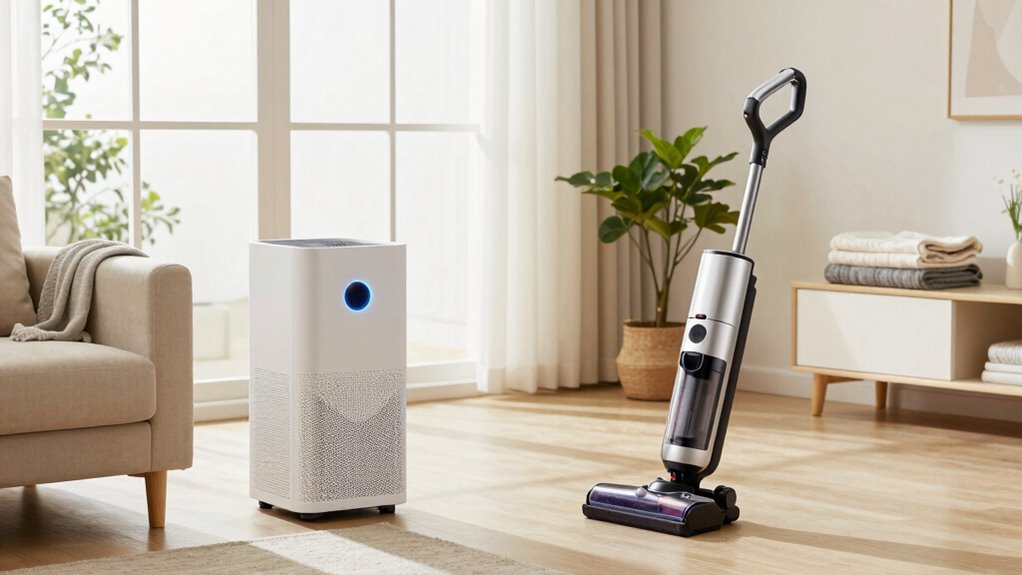
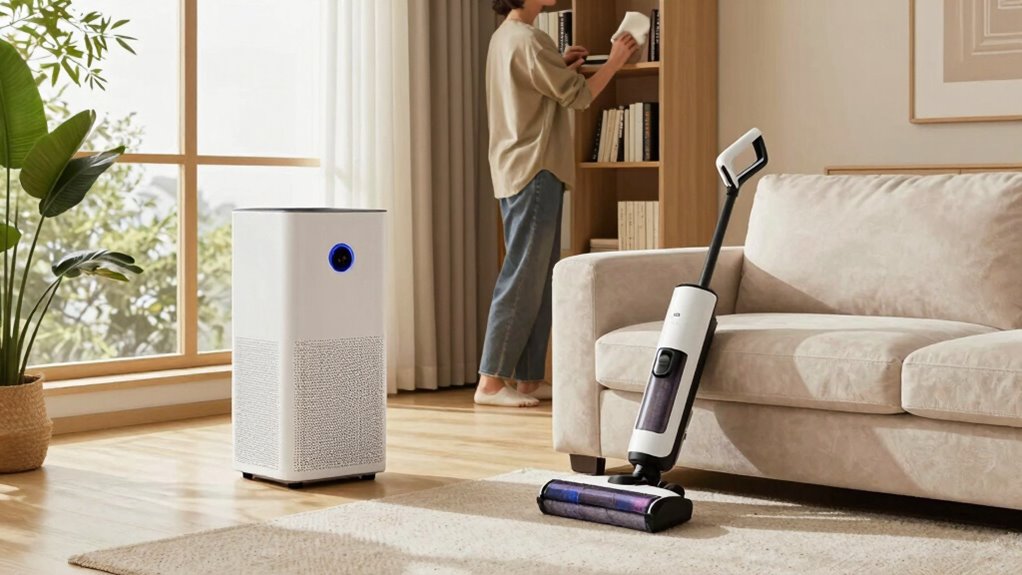
Maintaining clean air in your home isn’t just about choosing the right air purifier or vacuum; it’s about developing good habits that support their effectiveness. Your daily routines directly influence your air quality, making it essential to establish consistent cleaning habits. When you vacuum regularly, you remove dust, pet dander, and other allergens that can settle into carpets and upholstery. This reduces airborne particles and keeps the air cleaner. Similarly, using an air purifier consistently ensures that the air circulating in your space stays fresh and free of pollutants. But without good habits, even the best equipment won’t reach its full potential.
Your cleaning routines should include more than just quick surface tidying. Deep cleaning carpets and rugs at least once a week minimizes the buildup of dirt and allergens that can compromise air quality. Paying attention to hidden spots, like behind furniture or under beds, prevents dust from accumulating in overlooked areas. Maintaining a clutter-free environment also helps because clutter traps dust and makes cleaning more difficult. When your space is organized, your vacuuming becomes more effective, and your air purifier can better circulate clean air without obstruction. Proper cleaning techniques can significantly boost the efficiency of your cleaning routine. Incorporating effective cleaning methods can further enhance your efforts.
Deep clean carpets weekly and organize clutter to improve air quality and boost cleaning effectiveness.
Another important habit is controlling humidity levels. Excess humidity encourages mold growth and dust mites, which can worsen air quality. Using a dehumidifier or exhaust fans in the bathroom and kitchen helps keep moisture in check. You should also consider changing your air purifier filters regularly—at least every three to six months—so it continues to trap airborne particles effectively. Neglecting filter maintenance diminishes the purifier’s ability to clean the air, no matter how often you run it.
Additionally, understanding the importance of air filtration technology can help you select the most effective devices for your needs. Incorporating these habits into your routine may seem small, but over time, they notably enhance the performance of your air purifier and vacuum. By staying consistent, you’re actively reducing allergens and airborne irritants, creating a healthier environment for everyone.
Ultimately, the key is consistency. Good cleaning routines, controlling humidity, maintaining equipment, and ensuring proper ventilation all work together. When you develop these habits, you won’t just improve the effectiveness of your air purifiers and vacuums—you’ll enjoy cleaner, healthier air every day. This proactive approach transforms your home into a space that supports your well-being, making your investment in air quality devices truly worthwhile.
air purifier replacement filters
As an affiliate, we earn on qualifying purchases.
As an affiliate, we earn on qualifying purchases.
Frequently Asked Questions
How Often Should I Replace Filters in My Air Purifier?
You should replace the filters in your air purifier every 6 to 12 months, depending on usage and filter type. Regular filter maintenance guarantees peak performance and air quality. Check your manufacturer’s replacement schedules, as some filters, like HEPA or carbon filters, may need more frequent changes. Keep an eye on indicator lights or performance drops, and don’t delay filter replacement to maintain a healthier environment.
What Are the Best Cleaning Habits to Reduce Indoor Allergens?
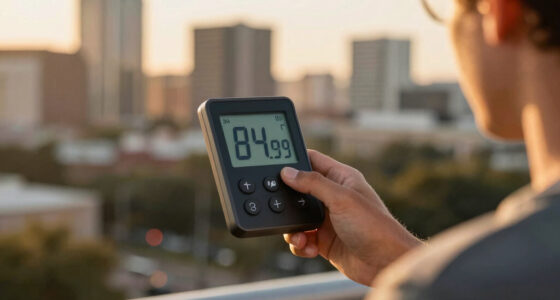
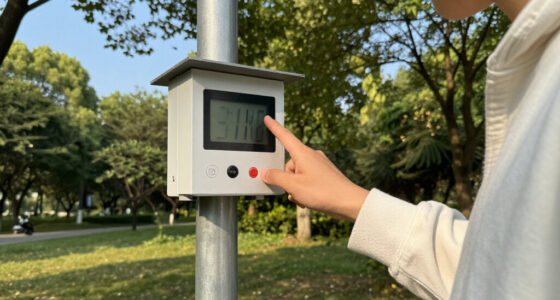
You’d think allergen avoidance was rocket science, right? Keep your home dust-free by vacuuming regularly, washing bedding weekly, and controlling humidity to prevent mold growth. Use an air quality monitor to track improvements. These habits reduce indoor allergens effectively, making your air cleaner and healthier. Ironically, simple steps like these beat relying solely on gadgets, proving that good habits truly make the biggest difference in maintaining a allergy-free environment.
Can Pets Affect the Efficiency of Air Purifiers and Vacuums?
Yes, pets can affect the efficiency of air purifiers and vacuums. Pet dander and allergens buildup in your home can overwhelm these devices, making them less effective. To improve their performance, you should vacuum frequently, especially in pet areas, and use air purifiers with HEPA filters. Regular cleaning helps reduce pet dander and allergens, allowing your appliances to work better and keep your indoor air cleaner.
Do Specific Vacuum Settings Improve Cleaning Effectiveness?
Yes, adjusting your vacuum settings can improve cleaning effectiveness. Use higher vacuum suction for deep carpets and lower settings for delicate surfaces to avoid damage. Regular filter maintenance guarantees your vacuum performs at its best, preventing clogs that reduce suction power. By choosing the right settings and maintaining filters, you enhance your vacuum’s efficiency, making cleaning quicker and more thorough, especially in homes with pets or high traffic.
How Does Humidity Impact Air Purifier and Vacuum Performance?
Humidity levels profoundly impact your air purifier and vacuum performance. When humidity is too high, mold growth can increase by over 50%, clogging filters and reducing efficiency. Excess moisture makes airborne particles sticky, making vacuums struggle to pick up dirt properly. Conversely, low humidity can cause dust to become airborne more easily. Maintaining balanced humidity helps your devices work at their best, ensuring cleaner air and a healthier home environment.
As an affiliate, we earn on qualifying purchases.
Conclusion
By adopting better habits, you’ll notice your air purifiers and vacuums work far more effectively. Regularly changing filters and vacuuming thoroughly can reduce indoor allergens by up to 61%, according to recent studies. When you stay consistent, your indoor air quality improves, and your home stays healthier. So, make cleaning a priority—your lungs and overall comfort will thank you. Small habits make a big difference in creating a fresher, cleaner living environment.
As an affiliate, we earn on qualifying purchases.
As an affiliate, we earn on qualifying purchases.
Halloween Picks
halloween
As an affiliate, we earn on qualifying purchases.