

To build better defaults for power loss events, you should implement reliable backup systems like UPS units with integrated surge protection. Guarantee automatic power transfer so your critical devices switch seamlessly to backup power during outages. Regularly test and maintain these systems, and monitor power quality proactively to catch issues early. Incorporate proper system configuration with alarms for fluctuations to minimize human error. Keep in mind, a resilient power setup can substantially boost your infrastructure’s reliability—discover how to optimize it further.

Prime made for students and young adults
- Fast, free delivery for dorm and study essentials
- Prime Video and Amazon Music included
- Member-only deals
Key Takeaways
- Configure automatic system shutdown protocols to protect data during power outages.
- Set appropriate thresholds and alarms for power fluctuations to trigger timely responses.
- Use UPS devices with integrated surge protection for seamless backup and surge defense.
- Regularly test and update power management settings to ensure reliability and effectiveness.
- Implement comprehensive monitoring to detect power quality issues proactively.
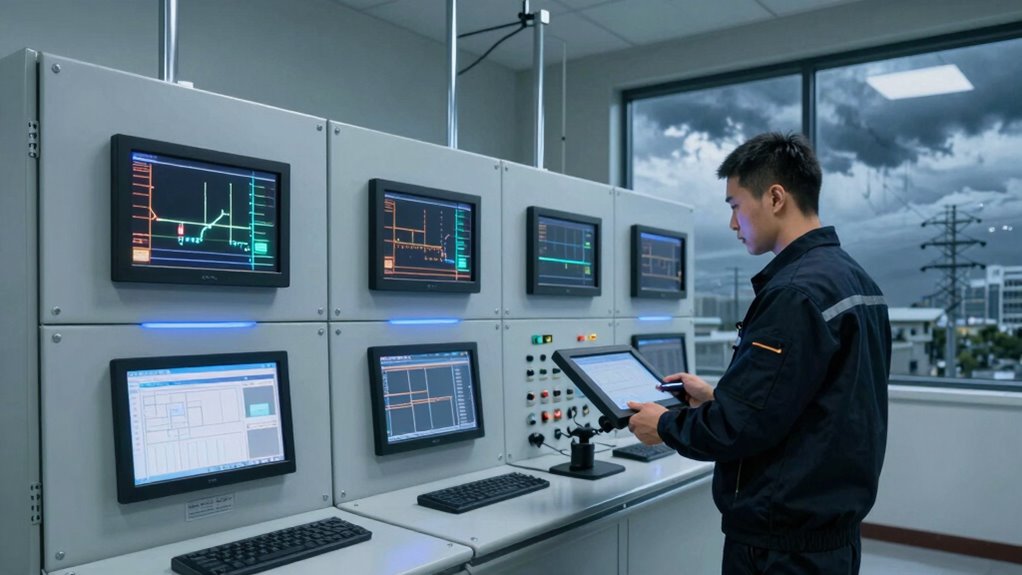
Have you ever wondered how systems can recover more effectively during power loss events? When the power goes out unexpectedly, your systems need a solid plan to minimize downtime and prevent data loss. Building better defaults starts with understanding the significance of a reliable battery backup. A good battery backup ensures that critical devices stay powered long enough for you to save work, shut down properly, or switch over to an alternative power source. It acts as an immediate fail-safe, preventing abrupt shutdowns that could damage hardware or corrupt data. To make your system resilient, choose a battery backup with enough capacity to handle your essential equipment during outages. Regularly testing and maintaining this backup helps guarantee it functions when you need it most. Alongside this, surge protection plays an essential role in defending your systems against sudden spikes in voltage, which often accompany power loss events. When power surges strike, they can fry sensitive components, causing costly damage or data corruption. Incorporating surge protectors into your setup creates a barrier that absorbs or redirects excess voltage, safeguarding your equipment. The ideal default setup integrates both battery backup and surge protection seamlessly, providing an all-encompassing safety net. You should configure your systems to automatically switch to backup power sources when a power loss occurs, minimizing manual intervention and reducing the risk of human error. This automatic transition allows critical processes to continue uninterrupted or shut down gracefully, preserving data integrity. Additionally, setting proper thresholds and alarms for power fluctuations helps you stay informed about the power infrastructure health of your power infrastructure. Implementing power management solutions can further optimize your system’s response to disruptions and improve overall resilience. When designing your defaults, consider implementing uninterruptible power supplies (UPS) with integrated surge protection. These devices not only keep your systems running during outages but also shield them from damaging voltage spikes. Establishing clear protocols for responding to power events ensures that you and your team are prepared to act swiftly. Regularly updating and testing these defaults is essential because power environments evolve, and so should your safeguards. Proactively monitoring your power quality can help identify potential issues before they lead to failures. Moreover, understanding the impact of power disruptions on hardware longevity emphasizes the importance of these protective measures. Remember, proactive measures like deploying battery backups and surge protection aren’t just about preventing hardware failure—they’re about maintaining operational continuity, protecting data, and reducing downtime. Incorporating power quality management measures into your strategy can further enhance system resilience during disruptions. By making these defaults a core part of your infrastructure, you create a resilient environment that’s prepared for unexpected power loss events. Your systems will recover more smoothly, and you’ll gain peace of mind knowing that you’ve built a strong foundation for handling power disruptions effectively.
UPS with integrated surge protection
As an affiliate, we earn on qualifying purchases.
As an affiliate, we earn on qualifying purchases.
Frequently Asked Questions
How Do Defaults Impact System Recovery Times During Power Outages?
Defaults greatly impact your system recovery times during power outages. If they’re well-designed, automatic backups activate quickly, minimizing data loss and speeding up recovery. Remote monitoring helps you identify issues early, ensuring defaults are properly configured before outages happen. Together, these features reduce downtime, improve resilience, and make recovery more efficient, so your systems bounce back faster and stay protected even during unexpected power loss events.
What Are the Security Considerations When Designing Default Settings?
When designing default settings, you should prioritize security by implementing strong access control measures and adhering to encryption standards. You need to guarantee only authorized users can access sensitive data and that communications are protected. Regularly update defaults to address emerging threats, and avoid settings that could unintentionally expose vulnerabilities. Balancing usability with security helps prevent unauthorized access and data breaches, maintaining a resilient and secure system.
How Can User Preferences Be Preserved After a Power Loss?
To safeguard user preferences after a power loss, you should implement reliable backup strategies that save customization settings automatically. Encourage users to enable autosave features and store preferences in persistent storage, like cloud or local backups. Regularly test these backups to guarantee data restoration works seamlessly. By doing so, you give users confidence that their customization remains intact, even after unexpected power outages, enhancing overall user experience.
What Role Do Hardware Components Play in Default Configurations?
Hardware components are the backbone of default configurations, and they play a pivotal role in ensuring resilience during power loss. Your hardware optimization directly influences how smoothly your system recovers and maintains stability. High-quality components are like superheroes, offering unmatched resilience and durability. By selecting resilient parts and optimizing their settings, you drastically reduce downtime and data loss, making your system far more robust against unexpected power outages.
How Often Should Default Settings Be Reviewed and Updated?
You should review and update default settings at least annually, incorporating user feedback to guarantee they meet user needs. Regular updates also help maintain compliance with evolving regulations, reducing risks during power loss events. Monitor system performance, gather input from users, and stay informed about regulatory changes. This proactive approach ensures your defaults remain effective, reliable, and compliant, ultimately enhancing system resilience during power outages.
As an affiliate, we earn on qualifying purchases.
Conclusion
By designing better defaults, you prepare not just for power loss events but for resilience, not just for recovery but for robustness, and not just for immediate response but for future stability. You create systems that anticipate, adapt, and endure. You empower yourself to act swiftly, confidently, and effectively. In building better defaults, you don’t just safeguard your operations—you reinforce your foundation, ensuring that every disruption becomes an opportunity to strengthen your resilience and sustain your success.
battery backup for critical devices
As an affiliate, we earn on qualifying purchases.
As an affiliate, we earn on qualifying purchases.
As an affiliate, we earn on qualifying purchases.
Fall Picks
fall essentials
As an affiliate, we earn on qualifying purchases.