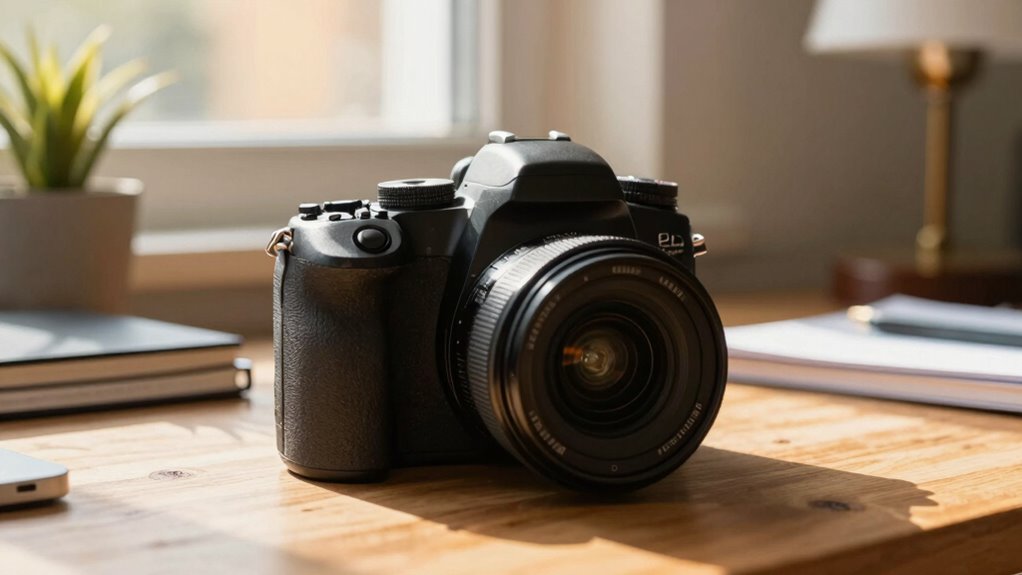

Before choosing resolution, focus on the environment and how you position your cameras. Consider lighting conditions, natural light sources, and where you want to monitor most. Place cameras in spots that minimize glare, shadows, or blind spots, such as corners or facing important entry points. Proper placement guarantees better coverage, clearer images, and less reliance on high resolution. If you want to optimize your setup effectively, keep exploring the best strategies for placement and lighting.
Open a free Amazon Business account
Business pricing, bulk buying and tax-exempt orders.
As an affiliate, we earn on qualifying purchases.
Key Takeaways
- Assess the environment to identify critical coverage areas and potential blind spots before selecting camera resolution.
- Prioritize optimal placement to ensure proper lighting, reducing the need for higher resolution cameras.
- Consider natural light sources, shadows, and glare to position cameras for clear visibility.
- Choose angles that minimize shadows and overexposure, enhancing image clarity regardless of resolution.
- Plan camera locations based on field of view and environmental factors to maximize coverage and image quality.
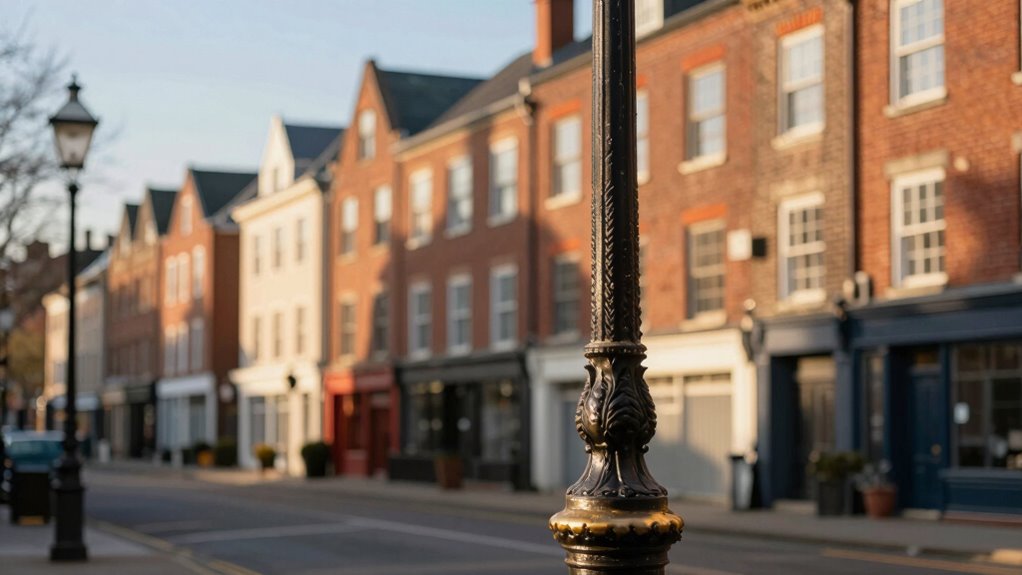
Before rushing to select high-resolution cameras, it’s essential to first consider where you’ll place them. The location of your cameras influences many factors, including lighting considerations and the field of view. If you overlook these basics, even the sharpest camera won’t deliver clear images or meet your security needs. Start by assessing the environment and identifying critical areas that require coverage. Think about the lighting conditions—are the spots well-lit or prone to shadows, glare, and direct sunlight? Cameras placed in poorly lit areas may require additional lighting or cameras with better low-light performance, regardless of resolution. On the other hand, bright, evenly lit zones might allow for standard resolution cameras, saving you money and complexity.
Prioritize camera placement and lighting conditions before selecting resolution for optimal security footage.
Next, consider the field of view. Each camera has a specific angle that determines how much of the area it captures. Wide-angle lenses can cover more space with fewer cameras, but they may also introduce distortion or reduce detail at the edges. Narrower lenses focus on specific points, providing higher detail and better identification capabilities. When planning placement, think about how much of the scene you want to monitor and how close or far the camera will be from the target. A camera placed too far from the subject might require higher resolution to capture details like facial features or license plates, but if you position it closer, standard resolution could suffice.
Placement also impacts how lighting and the field of view interact. For example, if you position a camera in a corner facing a doorway, you’ll want to ensure that lighting doesn’t cause glare or harsh shadows that obscure details. Similarly, if the camera’s field of view includes windows, you need to account for natural light fluctuations that could wash out images or lead to overexposure. By understanding these factors, you can choose a camera that balances resolution with the environment’s lighting and layout. Proper camera placement can significantly enhance image quality and coverage, reducing the need for higher resolution cameras. It’s better to spend time planning your placement now than to fix blurry footage or blind spots later.
Additionally, understanding the environment and how it affects camera performance is crucial, as it allows for better decision-making about both placement and camera specifications. Considering the lighting conditions during placement will help prevent common issues like glare or shadows that compromise image clarity. Lighting quality can vary significantly throughout the day, so taking this into account will help you select the best spots for consistent footage. Recognizing the impact of natural light on camera effectiveness can also help you avoid overexposure or underexposure that diminish image clarity. Ultimately, the goal is to optimize your camera setup by considering placement first. When you understand where to put cameras and how lighting and angles affect image quality, you’ll make smarter decisions about resolution. High-resolution cameras are great, but they won’t compensate for poor placement or lighting issues. Focus on the environment, plan your angles carefully, and choose the right cameras for the job. Doing so ensures you get clear, useful footage, making resolution a secondary concern rather than the primary one.

CCTV CAMERAS INSTALLATION GUIDE FOR BEGINNERS: Security Cameras for your Indoor and Outdoor Surveillance with Night Vision and Motion Detection
As an affiliate, we earn on qualifying purchases.
As an affiliate, we earn on qualifying purchases.
Frequently Asked Questions
How Does Lighting Affect Camera Placement Decisions?
Lighting conditions directly influence your camera placement because good placement minimizes shadows and enhances image clarity. You’ll want to position your camera where natural or artificial light evenly illuminates your subject, avoiding harsh shadows or overexposure. Shadow management is essential; move the camera to reduce unwanted shadows that can obscure details. Adjusting placement based on lighting helps you capture clearer, more balanced images, even before considering resolution.
What Environmental Factors Influence Optimal Camera Positioning?
Environmental factors like sensor sensitivity and weather resilience dictate your camera’s perfect spot. If rain’s your enemy, pick a sheltered corner; if fog’s a frequent visitor, position your lens higher for clarity. Harsh sunlight? Look for shaded areas to avoid glare. Remember, you’re not just placing a camera—you’re outsmarting nature’s quirks. Adjust your position to balance sensor sensitivity and weather resilience, ensuring your footage stays sharp, rain or shine.
How Do Different Camera Types Impact Placement Strategies?
Different camera types considerably influence your placement strategies. For example, security cameras with wide-angle lenses require sensor placement that covers broad views, while those with zoom lenses need strategic positioning to maximize focus. You must consider lens selection to guarantee the camera captures the desired area effectively. Proper sensor placement ensures ideal coverage, reducing blind spots. Tailor your positioning based on the camera’s type to achieve the best surveillance results.
What Are Common Mistakes When Positioning Security Cameras?
Positioning your security cameras is like aiming a spotlight—poor angles can miss crucial details. Common mistakes include choosing improper camera angles that don’t cover key areas, and ignoring obstruction issues like trees or walls that block the view. You might also place cameras too high or too low, reducing effectiveness. Always test your setup, guarantee clear sightlines, and adjust angles to maximize coverage and avoid blind spots.
How Does Camera Placement Affect Overall Security Coverage?
Your camera placement directly impacts your security coverage by defining effective camera angles and surveillance zones. Proper placement guarantees you capture critical areas without blind spots, maximizing your surveillance zones. Strategic positioning covers entrances, exits, and high-value targets, boosting overall security. Avoid common mistakes like overlooking angles or blind spots, as these can weaken your security. Thoughtful placement creates an exhaustive system that effectively monitors all vulnerable points.
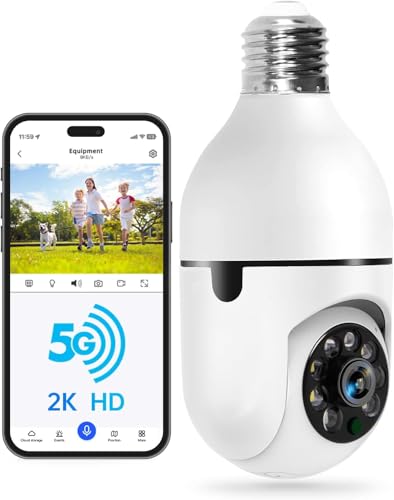
WESECUU Light Bulb Security Camera -5G& 2.4GHz WiFi 2K Security Cameras Wireless Outdoor Motion Detection and Alarm,Two-Way Talk,Color Night Vision,Human Detection, Bulb Camera Compatible with Alexa
- Dual Band WiFi: Supports 5G and 2.4G for stable connection
- Easy Installation: Screws into E27 bulb base, plug and connect
- Two-Way Audio: Built-in microphone and speaker for communication
As an affiliate, we earn on qualifying purchases.
As an affiliate, we earn on qualifying purchases.
Conclusion
Remember, choosing the right camera placement is like planting a seed—you shape the foundation for a thriving garden. Focusing on placement first allows your footage to bloom with clarity and purpose, rather than just chasing after high resolution. Think of your camera as a compass guiding viewers through your story; when positioned thoughtfully, it leads them deeper than any megapixel ever could. So, set your sights on where to place your camera first, and let resolution follow naturally.

Tapo 2K Indoor/Outdoor Dual Lens Pan/Tilt Wired Security Camera, C246D
- Dual 2K Lenses for Coverage: Wide fixed and pan/tilt lenses with zoom
- Independent Lens Positioning: Precise monitoring with separate lenses
- Wide and Panoramic Coverage: Two areas with 360° and 125° views
As an affiliate, we earn on qualifying purchases.
As an affiliate, we earn on qualifying purchases.

Tapo 1080p Pan/Tilt Security Camera for Baby Monitor, Pet Camera, C201
- Pan/Tilt Range: 360° horizontal, 114° vertical view
- Motion & Sound Alerts: Instant notifications for motion, person, crying
- Storage Options: Local microSD or cloud storage available
As an affiliate, we earn on qualifying purchases.
As an affiliate, we earn on qualifying purchases.
College move-in / dorm season Picks
dorm essentials
As an affiliate, we earn on qualifying purchases.