
TL;DR

Get school and study supplies delivered free — and shop member deals
- Fast, free delivery on millions of items
- Access to Prime Big Deal Days deals on October 6–7
- Prime Video, Amazon Music and more included
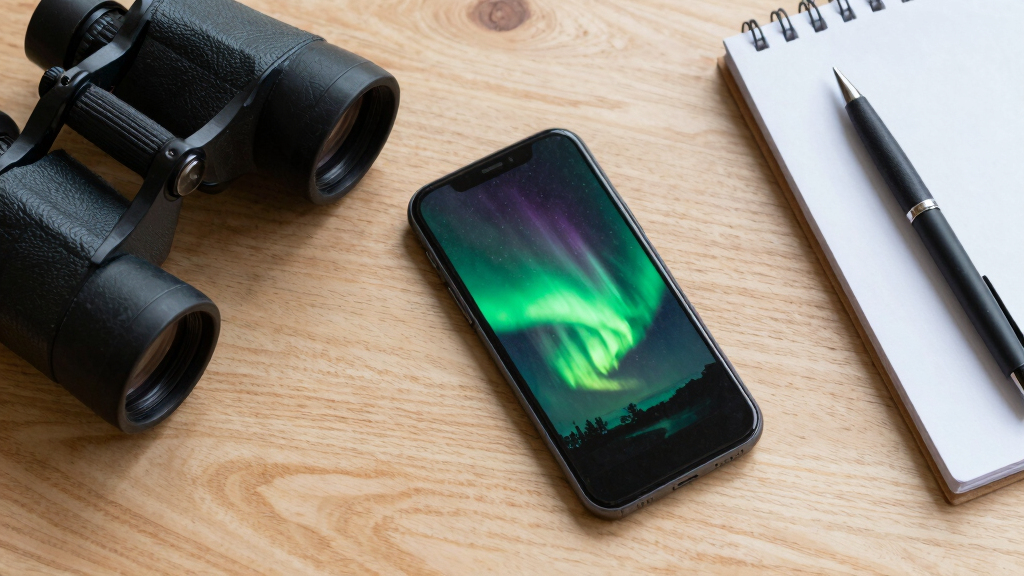
A G1 geomagnetic storm is currently forecast, which could cause auroras to be visible in northern U.S. states. The storm is part of space weather activity and is being monitored by scientists. The event’s impact on the region remains uncertain but is considered notable for skywatchers, especially with upcoming space weather events like Arthur’s landfall and tropical storm activity.
A G1 geomagnetic storm is currently forecast, with the potential to produce visible auroras in northern U.S. states. This space weather event is the result of solar activity impacting Earth’s magnetic field, and it is being closely monitored by scientists and space weather agencies. The storm’s effects could make the northern lights visible at lower latitudes than usual, attracting skywatchers and researchers alike.
The storm is classified as a G1 level, indicating minor geomagnetic disturbances, according to the National Oceanic and Atmospheric Administration (NOAA). Such storms are typically caused by solar wind interacting with Earth’s magnetic field, often following solar flares or coronal mass ejections. The forecast suggests that auroras could be visible as far south as parts of the northern United States, including states like Montana, North Dakota, and Minnesota, during peak activity periods. As Arthur comes ashore, season’s first tropical storm may bring worsening rain.
Space weather experts emphasize that while the storm is expected, the exact timing and intensity of auroral displays remain uncertain. NOAA’s Space Weather Prediction Center has issued alerts to skywatchers and relevant agencies, advising caution for satellite operators and power grid managers, though the storm is not expected to cause significant disruptions.
Potential Impact of the G1 Storm on U.S. Skywatchers
This geomagnetic storm presents a rare opportunity for residents in northern U.S. regions to witness auroras, which are usually confined to higher latitudes. For scientists, it offers a chance to study space weather effects and improve forecasting models. The event also underscores the importance of monitoring solar activity, as stronger storms could have more significant effects on technology and infrastructure.
As an affiliate, we earn on qualifying purchases.
Recent Solar Activity and Space Weather Forecasts
The current G1 geomagnetic storm follows increased solar activity observed over the past week, including solar flares and coronal mass ejections (CMEs). NOAA’s space weather models indicated a heightened likelihood of geomagnetic disturbances, prompting alerts. Historically, similar G1 storms have resulted in visible auroras at mid-latitudes, though such events are relatively infrequent.
Experts note that space weather forecasting has improved in recent years, allowing for better predictions of auroral visibility and potential impacts on technology. This storm is part of the ongoing solar cycle, which influences the frequency and intensity of space weather events.
“While this G1 storm is minor, it still provides a valuable opportunity for skywatchers in northern states to see auroras. We are monitoring the situation closely.”
— Dr. Lisa Carter, NOAA Space Weather Expert
As an affiliate, we earn on qualifying purchases.
Forecast Accuracy and Auroral Visibility Conditions
While NOAA has issued alerts, the exact timing, intensity, and geographic extent of auroral displays remain uncertain. Factors such as local weather conditions, light pollution, and the storm’s actual impact on Earth’s magnetic field could influence visibility. It is not yet confirmed whether auroras will be visible at lower latitudes or only in specific areas.
As an affiliate, we earn on qualifying purchases.
Monitoring and Expected Developments in Space Weather
Scientists will continue to monitor solar activity and geomagnetic conditions over the next 24-48 hours. Updates are expected from NOAA and other space weather agencies regarding the storm’s progression and auroral visibility forecasts. Skywatchers are advised to stay alert for potential clear nights and aurora alerts, especially in northern U.S. regions.
As an affiliate, we earn on qualifying purchases.
Key Questions
When is the best time to see auroras during this storm?
The best viewing times are expected during peak geomagnetic activity, which NOAA forecasts to occur over the next 24-48 hours, typically during late evening to early morning hours.
How strong is a G1 geomagnetic storm?
A G1 storm is classified as minor but can still produce visible auroras at higher latitudes and occasionally at mid-latitudes under optimal conditions.
Will this storm affect satellite or power systems?
According to NOAA, a G1 storm is unlikely to cause significant disruptions but may warrant caution for satellite operators and power grid managers.
Why do auroras occur during geomagnetic storms?
Auroras occur when charged particles from the solar wind interact with Earth’s magnetic field and atmosphere, creating visible light displays, especially during geomagnetic disturbances.
Could this event lead to a more severe storm?
While this event is currently forecast as minor, solar activity can escalate, and stronger storms may develop, which would have more significant impacts. Monitoring continues for updates.
Source: google-trends
Halloween Picks
halloween
As an affiliate, we earn on qualifying purchases.