
TL;DR
Two major meteor showers, the Southern Delta Aquariids and Alpha Capricornids, are expected to reach their peak this week, providing a prime viewing opportunity for skywatchers in the Southern Hemisphere. The event is confirmed and visible under clear skies.
Two prominent meteor showers, the Southern Delta Aquariids and Alpha Capricornids, are expected to reach their peak visibility this week, according to astronomical forecasts. This event offers a rare opportunity for skywatchers in the Southern Hemisphere to observe a significant celestial display, with peak activity likely during the nights of July 29-31.
The Southern Delta Aquariids are confirmed to peak around July 30-31, with an expected rate of approximately 20-30 meteors per hour under optimal conditions, according to the American Meteor Society. The Alpha Capricornids are also peaking concurrently, with a lower activity rate of about 5-10 meteors per hour, but notable for their bright, slow-moving fireballs.
Both showers are visible primarily in the Southern Hemisphere, with some visibility in the tropics and subtropical regions. Astronomers emphasize that clear, dark skies away from light pollution will maximize viewing potential. The meteors originate from different parent comets: the Delta Aquariids from Comet 96P/Machholz and the Alpha Capricornids from Comet 169P/NEAT, both of which have been active for decades.
Experts from Smithsonian Magazine and the American Meteor Society confirm that this year’s conditions are favorable for observing these showers, with the moon phase being less disruptive due to a new moon occurring around the peak dates.
Why the Meteor Showers Are a Notable Celestial Event
This week’s peak offers a rare opportunity for skywatchers in the Southern Hemisphere to witness two active meteor showers simultaneously, enhancing the overall viewing experience. Such events contribute to public engagement with astronomy and provide insights into cometary debris and space weather phenomena.
Additionally, observing meteor showers can inspire interest in science and space exploration, especially among amateur astronomers and students. The event’s confirmation by multiple sources underscores its reliability, making it a significant moment for astronomy enthusiasts.

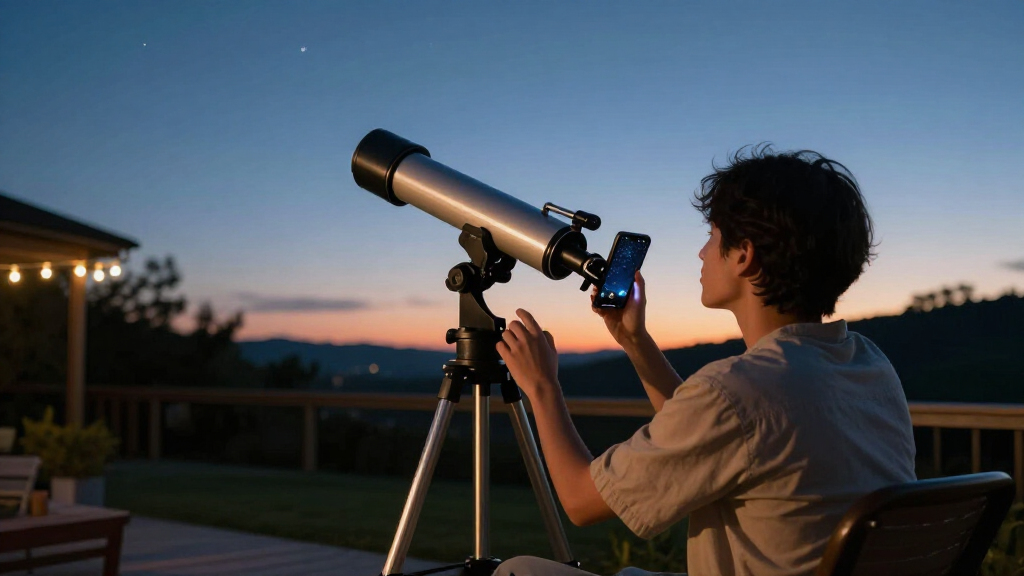
Celticbird Telescope for Adults High Powered, 80mm Aperture 600mm AZ Mount Refractor Telescope for Kids Beginners – Portable Telescopes for Adults Astronomy with Backpack, Phone Adapter, Moon Filter
- Optical Aperture: 80mm for bright, clear images
- Focal Length: 600mm (f/6.7) for detailed viewing
- Portable Design: Includes backpack for travel convenience
As an affiliate, we earn on qualifying purchases.
As an affiliate, we earn on qualifying purchases.
Background on the Southern Delta Aquariids and Alpha Capricornids
The Southern Delta Aquariids are one of the more active meteor showers during the summer months, originating from debris left by Comet 96P/Machholz. They are known for producing bright, fast-moving meteors and are visible mainly in the Southern Hemisphere, although some activity can be seen in the tropics.
The Alpha Capricornids are less active but are notable for their bright fireballs and slow-moving meteors, originating from Comet 169P/NEAT. These showers have been observed for over a century and are considered part of the larger Capricornid meteor complex.
Both showers have been forecasted to peak around late July, with astronomers emphasizing the importance of dark skies and clear weather for optimal viewing. The upcoming peaks are consistent with historical activity patterns documented by meteor observation networks.
“This week’s meteor shower peaks are a fantastic opportunity for observers in the Southern Hemisphere to experience a spectacular night sky event.”
— Dr. Lisa Grant, Astronomer at Smithsonian Institution

Smile LED Lantern: Portable Night Light Camping Lantern For Kids (Sky)
- Playful and Vibrant Design: Compact with hat hook and smiley face
- Soft LED Light: Calm, dimmable illumination for kids
- Versatile Night Lamp: Ideal for camping, parties, and gifts
As an affiliate, we earn on qualifying purchases.
As an affiliate, we earn on qualifying purchases.
Weather Conditions and Visibility Uncertainties
While the meteor showers are confirmed to peak this week, actual visibility depends heavily on local weather conditions, such as cloud cover and light pollution. It is not yet certain how many observers will have clear skies during the peak nights, which could affect the number of meteors seen.
Additionally, minor variations in the timing of the peak activity and the intensity of meteors are possible, as forecast models are based on historical data and current comet activity.
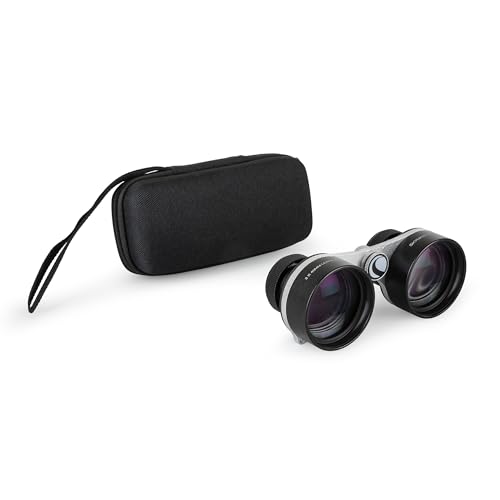
Celestron SkyMaster Gemini 2×40 Ultra-Wide Low-Power Astronomy Binocular
- Wide Field of View: 24° true field of view for constellations
- Low Magnification: 2x power for steady, natural views
- Large Objective Lenses: 40mm lenses for bright celestial views
As an affiliate, we earn on qualifying purchases.
As an affiliate, we earn on qualifying purchases.
Upcoming Meteor Showers and Continued Observation Opportunities
Following this week’s peaks, meteor activity is expected to decrease, but additional minor showers may occur in the coming months. Astronomers advise skywatchers to stay updated via local astronomy clubs and weather forecasts for optimal observation conditions.
Scientists will continue monitoring comet debris streams, which could lead to future meteor shower predictions and potential increases in activity. The next major shower, the Perseids, is expected in August, providing another prime viewing event for the Northern Hemisphere.
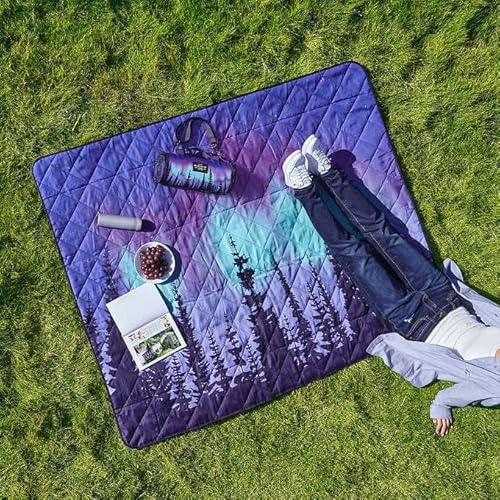
Weatherproof Vintage Portable Picnic Blanket (60in x 72in) – Foldable & Sandproof Beach & Camping Blanket – With Carry Strap (Stars)
- Handle Straps for Easy Carrying: Convenient handle strap with double ring buckle
- Large Size and Lightweight: Unfolds to 72×60 inches, weighs 1.8 pounds
- Compact and Portable: Folds into a small tote for easy transport
As an affiliate, we earn on qualifying purchases.
As an affiliate, we earn on qualifying purchases.
Key Questions
When is the best time to observe the meteor showers?
The best viewing times are during the hours after midnight on July 29-31, when the sky is darkest and the meteor activity peaks.
Where in the sky should I look to see the meteors?
Observers should look toward the constellation Aquarius for the Southern Delta Aquariids and Capricorn for the Alpha Capricornids, but meteors can appear anywhere across the sky.
Will the moon interfere with viewing?
No, the moon phase during the peak is a new moon, which minimizes light pollution and enhances visibility of the meteors.
Are these meteor showers visible worldwide?
They are primarily visible in the Southern Hemisphere, but some activity can be seen from tropical regions in the Northern Hemisphere.
How can I best prepare for viewing the meteor showers?
Find a dark, open area away from city lights, allow your eyes to adjust to the dark for at least 20 minutes, and be patient for the best viewing experience.
Source: google-trends