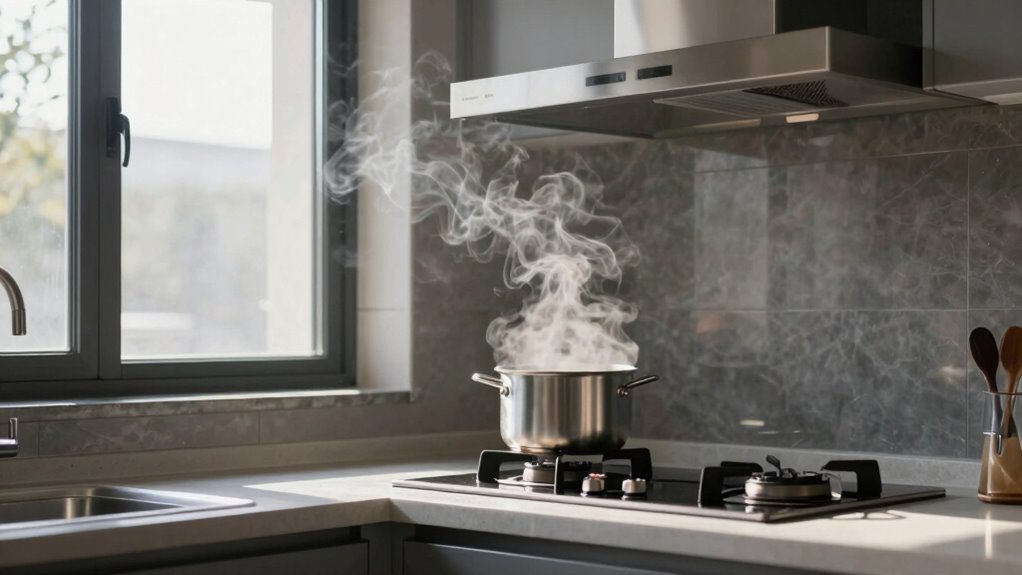

Relying solely on opening a window during a fire isn’t effective and can even worsen smoke conditions. This approach can introduce outside air that feeds the fire or pushes smoke into safe areas, making evacuation and safety harder. Proper smoke extraction involves strategic ventilation and mechanical systems designed to direct smoke away from occupants. To learn how effective ventilation manages smoke and improves safety, keep exploring the smarter ways to handle fire emergencies.
Key Takeaways
- Opening a window can introduce fresh air that fuels the fire or disrupts controlled smoke movement.
- Without proper planning, window ventilation may push smoke into safe zones, worsening visibility and breathing conditions.
- Mechanical ventilation systems are more effective and reliable than simply opening windows for smoke removal.
- Proper smoke extraction relies on strategically placed vents and exhaust fans to create optimal airflow patterns.
- Relying solely on opening windows lacks the controlled, predictable airflow needed for effective smoke management during fires.

Understanding smoke extraction is vital for guaranteeing safety during fires. When a fire breaks out, the way smoke moves and is managed can make the difference between life and death. Relying on simple methods like opening a window might seem logical, but it often falls short without proper planning. Instead, you should focus on effective ventilation techniques to control smoke and improve visibility, making it safer for everyone involved. Proper ventilation involves more than just cracking a window; it requires understanding how to create a flow that pulls smoke away from occupants and exits the building efficiently. This includes strategic placement of vents, exhaust fans, or other opening points that facilitate airflow. Knowing where to place these outlets is vital because poor placement can actually draw smoke deeper into a space or trap it in areas where it’s dangerous.
Proper ventilation and strategic placement are essential for effective smoke extraction during fires.
Additionally, smoke detector placement plays a key role in early warning and smoke management. Smoke detectors should be installed on ceilings or high on walls, where smoke naturally rises. Positioning detectors correctly helps you identify smoke early, giving you more time to evacuate or activate extraction systems. When detectors are placed poorly—near windows, vents, or in dead zones—you risk missing early signs of smoke, which hampers your response efforts. Combining well-placed detectors with effective ventilation techniques creates a complete safety approach. For example, installing smoke detectors in strategic locations ensures timely alerts, while knowing how to manipulate ventilation helps you manage smoke spread once detected.
It’s important to understand that opening a window isn’t a foolproof solution. In some cases, it can even worsen the situation by allowing outside air to feed the fire or by creating drafts that push smoke into safe zones. Instead, consider using mechanical extraction systems, like exhaust fans or smoke vents, that are designed specifically for fire scenarios. These systems can be activated to pull smoke out of the building efficiently, reducing the concentration of harmful gases and improving air quality. Properly designed ventilation strategies work in tandem with detectors to give you better control over the environment during a fire emergency.
Furthermore, understanding how to create a proper airflow pattern can significantly enhance smoke removal efforts and safety. In short, effective smoke extraction relies on understanding ventilation techniques and the importance of smoke detector placement. Relying solely on opening a window is risky and often ineffective. Instead, a well-planned approach that combines proper detection and mechanical extraction creates a safer environment, giving you a better chance to respond swiftly and reduce danger during fires.

BTURYT Chimney Fan Smoke Evacuator, Fireplace Exhaust Fan Flue Fan Chimney Draft Inducer, 80W
As an affiliate, we earn on qualifying purchases.
As an affiliate, we earn on qualifying purchases.
Frequently Asked Questions
How Quickly Can Opening a Window Remove Smoke From a Room?
Opening a window can quickly improve air exchange, but the time to remove smoke varies with the ventilation rate. You might notice a significant reduction in smoke within 5 to 15 minutes if there’s steady airflow. However, if the room is large or the outside air isn’t much cleaner, it could take longer. To speed up removal, guarantee the window is fully open and create cross-ventilation by opening other windows or doors.
What Types of Smoke Are Most Difficult to Ventilate Effectively?
Dense smoke and chemical vapors are the hardest to ventilate effectively. You might think opening a window helps, but these types linger because their particles are heavy or chemically reactive. Dense smoke from fires or chemical leaks can settle quickly, making natural airflow insufficient. To clear such smoke, you’ll need specialized ventilation systems, like exhaust fans or air scrubbers, instead of just relying on a simple open window.
Can Opening Windows Worsen Smoke Spread to Other Areas?
Opening windows can worsen smoke spread to other areas because it affects airflow dynamics, creating cross contamination risks. You might unintentionally drive smoke into adjacent rooms or hallways, especially if pressure differences aren’t controlled. Instead, focus on proper ventilation methods, like using exhaust fans or smoke extraction systems, to direct smoke outside safely. Relying solely on open windows can jeopardize air quality in other parts of your space.
Are There Safer Alternative Methods to Open Windows for Smoke Extraction?
You should use ventilation fans to actively extract smoke, rather than just opening windows, which can worsen the spread. Installing smoke barriers or using portable smoke curtains helps contain the smoke within a specific area. These safer methods improve air quality and reduce risk. Ventilation fans create a directed airflow, while smoke barriers block smoke movement, making them more effective and safer alternatives to simply opening windows during smoke events.
How Do Weather Conditions Affect the Efficiency of Window Ventilation?
Weather conditions dance with your ventilation efforts, turning indoor air quality into a unpredictable melody. When it’s windy, fresh air rushes in, sometimes carrying more pollutants than it clears. Rain or humidity can trap smoke indoors, reducing ventilation efficiency. Clear skies and gentle breezes boost your strategies, helping smoke escape smoothly. To improve indoor air quality, adapt your ventilation strategies to weather patterns, ensuring your efforts aren’t drowned out by nature’s whims.

UniTak3D Smoke Exhaust Kit with Efficient Ventilation 4500RPM Fan and Pipe,Exhaust Smoke&Odors,Fan Fume Extraction Kit Exhaust Fan for Laser Engraver and 3D Printer Enclosure Tent Cover
【Efficient Smoke and Dust Exhaustion】This smoke exhaust kit is equipped with an 8025 fan,and it can quickly remove…
As an affiliate, we earn on qualifying purchases.
As an affiliate, we earn on qualifying purchases.
Conclusion
So, next time you’re faced with smoke, don’t just open a window and hope for the best. Proper extraction methods actually make a difference in keeping everyone safe and comfortable. I get it—venting seems simple, but it’s not always enough. By understanding smoke extraction basics, you’re better prepared to act quickly and effectively. Trust me, taking the right steps now can save you a lot of trouble later. Stay informed, stay safe.

First Alert Smoke Alarm, Battery-Operated Detector with Test & Silence Button, SMI100, 1-Pack
First Alert's Precision Detection advanced sensing technology complies with new industry standards to reduce cooking nuisance alarms and…
As an affiliate, we earn on qualifying purchases.
As an affiliate, we earn on qualifying purchases.
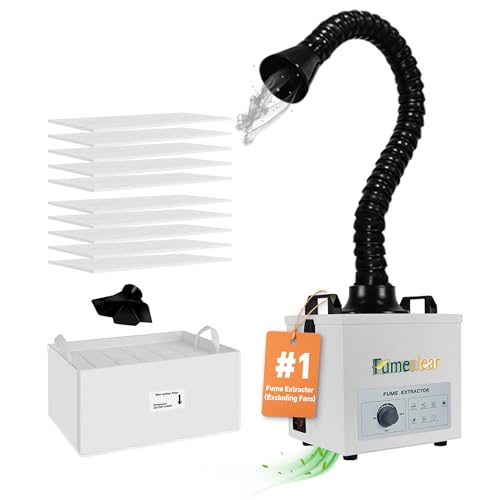
FumeClear Solder Fume Extractor – Powerful 100W Suction 200m³/h, Low-Noise, 3-Stage Filtration System with 12PCS Filters for Laser Welding Smoke Absorption and Desktop Soldering
99.97% Purification Rate: The FumeClear FC100A fume extractor is ideal for small bench soldering. It has a maximum…
As an affiliate, we earn on qualifying purchases.
As an affiliate, we earn on qualifying purchases.