

Training with a minimum number of days each week helps you build a reliable habit, ensuring steady progress regardless of motivation. It removes the barrier of waiting for motivation to strike and keeps you disciplined over the long term. Tracking your goals and efforts makes your progress visible and meaningful, fueling continued determination. Consistency transforms effort into results, showing that disciplined routines often outshine fleeting motivation. Stick with it, and you’ll discover the true power of habitual training.
Key Takeaways
- Setting minimum training days ensures routine regardless of fluctuating motivation levels.
- Consistent workouts help track progress accurately and make necessary adjustments over time.
- Habitual training reduces reliance on motivation, promoting long-term discipline and steady results.
- Regular practice uncovers improvements that motivation alone might overlook.
- Building momentum through minimum effort surpasses the short-term gains driven solely by motivation.

Maintaining consistent training is essential for making steady progress and achieving your fitness goals. When you commit to regular workouts, you create a reliable routine that helps you stay on track even when motivation wanes. This consistency allows you to monitor your progress more accurately, which is *fundamental* for adjusting your training plan and staying motivated over the long term. Progress tracking becomes a powerful tool when your workouts become habitual; it reveals improvements that might otherwise go unnoticed and keeps you focused on your goals. Instead of relying solely on fleeting motivation, setting clear, achievable goals provides a roadmap that guides your efforts. When your objectives are well-defined, each workout becomes a step toward something tangible, making it easier to stay disciplined even when enthusiasm dips.
By committing to a minimum number of training days each week, you remove the barrier of waiting for the “perfect” motivation to strike. Motivation can be unpredictable, but habits are reliable. When you set a minimum threshold—say, three or four days—you create a structure that’s easier to follow. On days when you don’t feel motivated, you can remind yourself that just showing up is enough, and that consistency will yield results over time. This approach shifts your focus from fleeting motivation to long-term discipline, reinforcing the idea that progress is built on regular effort rather than occasional bursts of energy.
Incorporating progress tracking into your routine helps you see the cumulative effects of consistent training. It can be as simple as logging your workouts, noting reps, weights, or distances, or using apps to monitor your advancement. Seeing progress over weeks and months fuels your motivation, especially during times when motivation itself feels low. Goal setting works hand-in-hand with this process by giving you clear targets—whether it’s increasing your squat weight, running a faster mile, or improving flexibility. When you set specific goals, your training becomes purpose-driven, and you’re more likely to stick to your minimum training days because each session is a meaningful step toward achieving those aims. Additionally, research into sound therapy indicates that establishing consistent routines can influence brainwave patterns, further supporting the importance of habitual practice.
Ultimately, consistent training doesn’t mean perfection. It’s about showing up regularly, even if some days are less intense than others. Progress tracking and goal setting serve as anchors that keep you grounded in your pursuit, regardless of motivation swings. By focusing on minimum days and maintaining a disciplined approach, you build momentum that sustains your fitness journey longer than short-lived bursts of motivation ever could. Over time, this steady, consistent effort transforms into tangible results, proving that minimum days truly beat motivation in the long run.

Fitness Workout Journal for Women & Men, A5(5.5" x 8.2") Workout Log Book Planner for Tracking, Progress, and Achieving Your Wellness Goals-Black
Track Your Workouts – Stay organized and record your gym workouts with this comprehensive fitness planner. It provides…
As an affiliate, we earn on qualifying purchases.
As an affiliate, we earn on qualifying purchases.
Frequently Asked Questions
How Do I Stay Consistent During Busy Periods?
During busy periods, you stay consistent by focusing on habit formation and effective time management. Break your workouts into shorter, manageable sessions and prioritize them as non-negotiable appointments. Use a schedule or reminders to reinforce your routine, making training a daily habit. This approach helps you maintain progress even when motivation dips, ensuring that your consistency remains steady regardless of external busyness.
Can Missing a Few Days Ruin My Progress?
Missing a few days won’t break your progress if you focus on habit formation and habit stacking. Think of consistency as building a house; a few missed bricks won’t topple the structure. Staying committed, even with gaps, keeps your routine intact. Prioritize small, manageable workouts, and when you get back on track, stack your habits to make returning easier. Small steps daily create lasting results.
What’s Better: Daily Training or Every Other Day?
You should aim for daily training if possible, as it helps build stronger habits through consistent workout frequency. However, if daily workouts aren’t realistic, every other day still works well for maintaining progress. The key is habit formation—regularly exercising keeps you committed and prevents long breaks that can hinder progress. Prioritize a schedule you can stick to long-term, because consistency beats motivation every time.
How Do I Rebuild Motivation After Setbacks?
To rebuild your motivation after setbacks, focus on restoring confidence by celebrating small wins and acknowledging progress. Reassess your goals to make certain they’re realistic and inspiring. Break larger objectives into manageable steps, making it easier to stay committed. Remember, consistency matters more than intensity; even minimal effort keeps you moving forward. Keep a positive mindset, stay patient, and remind yourself why you started, fueling your drive to return stronger.
What Are Quick Routines for Busy Schedules?
You can fit quick exercise tips into your busy schedule with time-efficient workouts that take just minutes. Focus on compound movements like squats and push-ups, or try high-intensity interval training to maximize results quickly. Keep your routines simple, set a timer, and stay consistent. These short, effective workouts help you stay active, boost energy, and maintain progress, proving that even busy days can include meaningful exercise.

Badass Body Goals: Booty Shaping & Resistance Training Fitness Journal. 10-Week Circuit Training & Personal Resistance Training Program and Fitness Planner by Jennifer Cohen & Habit Nest.
🍑WHAT IT IS: A 10-week at-home friendly fitness journal for women using HIIT, circuit workouts.
As an affiliate, we earn on qualifying purchases.
As an affiliate, we earn on qualifying purchases.
Conclusion
So, next time motivation hits rock bottom, remember that showing up is your secret weapon. Who needs fiery passion when you’ve got the unwavering power of consistency? Skip the drama, ditch the excuses, and just do the bare minimum—because apparently, that’s all it takes to outshine the fleeting sparks of motivation. In the grand theater of fitness, consistency steals the show while motivation takes a well-deserved nap. Keep showing up; that’s the real victory.
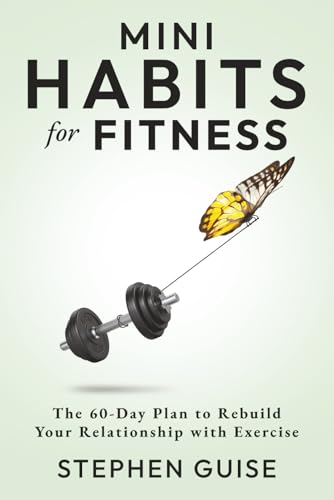
Mini Habits for Fitness: The 60-Day Plan to Rebuild Your Relationship with Exercise
As an affiliate, we earn on qualifying purchases.
As an affiliate, we earn on qualifying purchases.

Goal Planner | SMART Goal Setting Kit for the New You, Monthly Habits, Reflections & Vision Boards | Pastel Rainbow A5
Set, Plan & Achieve your goals with focused action plans
As an affiliate, we earn on qualifying purchases.
As an affiliate, we earn on qualifying purchases.