
TL;DR

Prime made for students and young adults
- Fast, free delivery for dorm and study essentials
- Prime Video and Amazon Music included
- Member-only deals
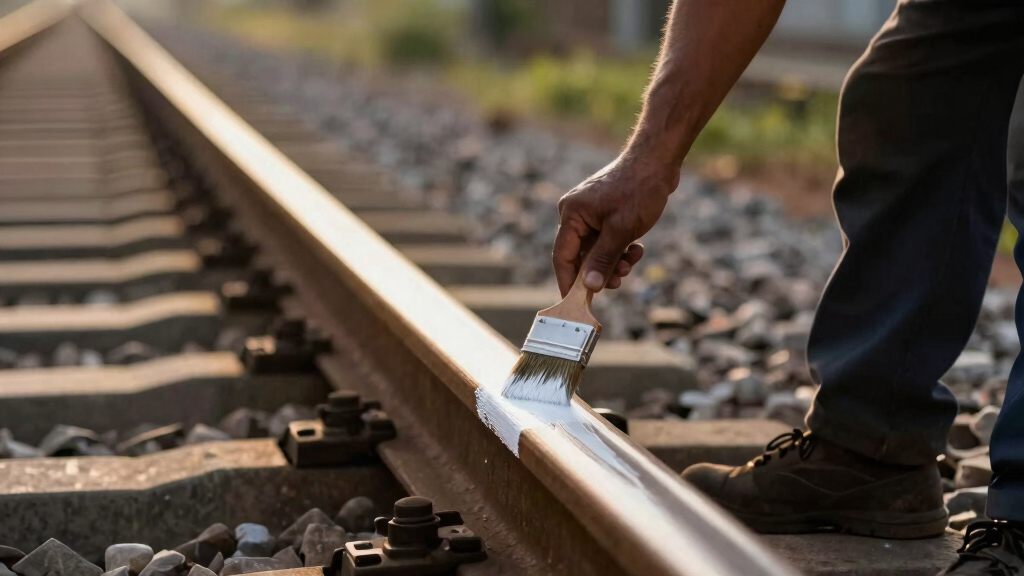
Railroad companies are testing painting the sides of rails white to increase visibility and decrease derailment incidents. Early pilot programs indicate potential safety benefits, but full effectiveness remains under evaluation.
Railroad companies are actively trialing a new safety measure by painting the sides of tracks white to improve visibility and reduce derailment risk, according to industry officials. This initiative aims to address ongoing concerns about track-related accidents and could lead to widespread adoption if proven effective.
Several rail operators have launched pilot programs in different regions, applying white paint to the sides of rails in high-risk areas. The goal is to make tracks more visible to train operators and maintenance crews, especially during low-light conditions or adverse weather.
The practice originated from observations that better visual cues could help prevent derailments caused by track obstructions, misalignments, or poor visibility. Early data from these pilots suggest a decrease in derailment incidents in tested zones, though comprehensive results are still being analyzed.
Industry experts indicate that painting rails white is a low-cost intervention that could complement existing safety measures, such as track inspections and automated monitoring systems. Authorities are monitoring pilot outcomes closely to assess the potential for broader implementation.
Potential Impact on Rail Safety Standards
If proven effective, painting rails white could significantly enhance safety protocols across the rail industry by reducing derailment incidents, which often result in costly accidents and environmental hazards. This simple modification may become a standard safety feature, especially in areas prone to poor visibility or high traffic volume.
Safety advocates and regulators see this as a promising development, but caution that it should be part of a comprehensive safety strategy, not a standalone solution. The success of these pilot programs could influence future regulations and safety guidelines for rail operators worldwide.
railroad track white paint safety markers
As an affiliate, we earn on qualifying purchases.
As an affiliate, we earn on qualifying purchases.
Background on Rail Safety Measures and Recent Innovations
Rail derailments have historically posed safety risks, environmental concerns, and financial costs. Traditional safety measures include track inspections, automated monitoring, and improved track design. Recent innovations focus on technological solutions like sensors and automated alerts.
The idea of increasing track visibility is not new; reflective paint and lighting have been used in some regions. The current initiative to paint rails white is a new variation aimed at cost-effective, easy-to-implement safety enhancement, currently being tested in select locations since early 2024.
railway track visibility enhancement products
As an affiliate, we earn on qualifying purchases.
As an affiliate, we earn on qualifying purchases.
Uncertainties About Long-Term Effectiveness and Scalability
It remains unclear whether painting rails white will consistently reduce derailments across diverse environments and rail types. Long-term data is still being collected, and factors like paint durability, maintenance costs, and environmental impacts are not yet fully understood.
Experts warn that while initial results are promising, further testing is needed to determine if this approach can be scaled nationally or internationally with sustained benefits.
As an affiliate, we earn on qualifying purchases.
Next Steps in Pilot Testing and Data Analysis
Rail companies will continue monitoring pilot programs over the coming months, collecting detailed data on derailment rates, maintenance requirements, and operational challenges. Regulatory agencies may review interim findings and consider guidelines for wider adoption.
Full results from these trials are expected by late 2024, which will inform decisions on whether to implement white rail painting more broadly and potentially incorporate it into official safety standards.
As an affiliate, we earn on qualifying purchases.
Key Questions
How does painting rails white improve safety?
Painting rails white increases their visibility, especially in low-light or adverse weather conditions, helping train operators and maintenance crews detect track issues more easily and prevent derailments.
Is painting rails white a common practice?
No, it is a new approach currently being tested in pilot programs; traditional safety measures focus more on inspections and automated monitoring.
What are the costs involved in painting rails white?
The cost is relatively low compared to other safety interventions, primarily involving paint application and periodic maintenance, but exact figures are still being evaluated in ongoing pilots.
Could this method replace existing safety measures?
It is unlikely to replace current measures but could serve as a supplementary safety enhancement if proven effective through further testing.
When will we know if this approach is widely adopted?
Full results from current pilot programs are expected by late 2024, after which industry and regulators will decide on broader implementation.
Source: hn
Fall Picks
fall essentials
As an affiliate, we earn on qualifying purchases.