
TL;DR

Prime made for students and young adults
- Fast, free delivery for dorm and study essentials
- Prime Video and Amazon Music included
- Member-only deals
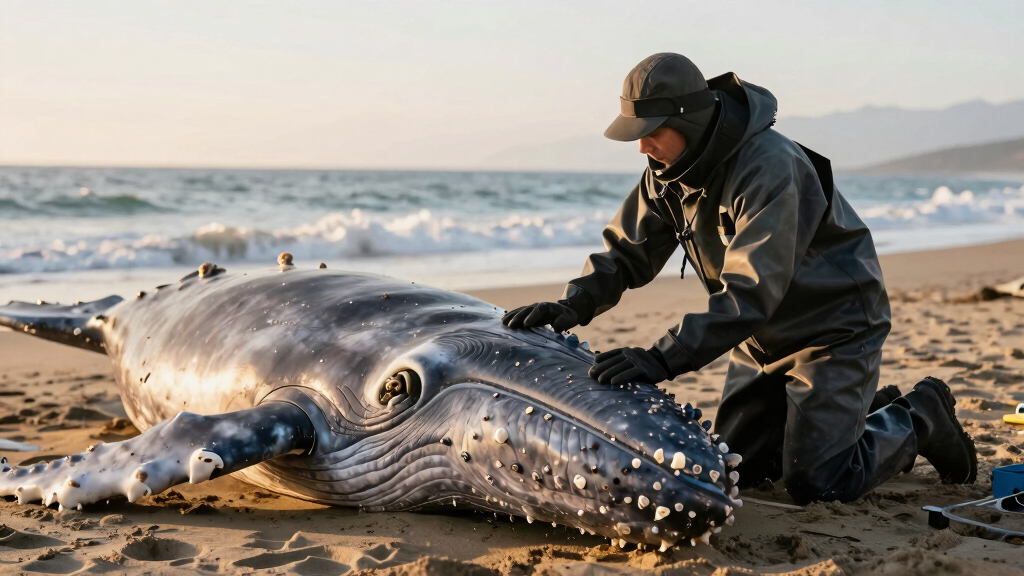
Scientists have identified a ‘catastrophic mortality event’ involving the deaths of 145 gray whales along the U.S. West Coast. The cause remains under investigation, highlighting a significant threat to the species.
Researchers have confirmed the deaths of 145 gray whales along the U.S. West Coast, describing the event as a ‘catastrophic mortality event’. The deaths, which occurred over recent months, mark one of the largest known die-offs of this species in recent history and are prompting urgent investigations.
The National Oceanic and Atmospheric Administration (NOAA) and other wildlife agencies reported that the whales were found stranded along beaches from California to Alaska. The cause of death is not yet confirmed, but preliminary assessments suggest possible links to environmental changes, disease, or human-related factors. The mortality rate has raised alarms among conservationists, as the gray whale population has been gradually recovering from past declines.
Scientists emphasize that the number of dead whales—145 confirmed deaths—represents a notable proportion of the current population, which is estimated at around 27,000 individuals. The event has been described as significant in scale, with officials stating that further investigations are necessary to determine the underlying causes and potential implications for the species’ future.
Why the Gray Whale Deaths Are a Conservation Concern
The mass mortality of 145 gray whales raises questions about potential threats to the species’ recovery and the health of marine ecosystems. If the causes are related to environmental factors or disease, this could indicate broader issues affecting marine life along the West Coast. The event highlights the importance of monitoring marine mammal health and environmental conditions, as well as conducting further research to understand the situation.
marine mammal rescue and rehabilitation kit
As an affiliate, we earn on qualifying purchases.
As an affiliate, we earn on qualifying purchases.
Recent Trends and Historical Whale Mortality Events Along the West Coast
Gray whales are a migratory species, traveling annually along the West Coast from feeding grounds in the Arctic to breeding grounds in Baja California. Previous mortality events have been linked to factors such as ship strikes, entanglement, and disease outbreaks. However, the recent scale of this die-off exceeds typical annual losses and has prompted concern among scientists and conservation groups.
In recent years, gray whale populations have shown signs of recovery after past whaling and environmental pressures, but this event raises questions about emerging threats. Experts note that climate change, pollution, and changes in prey availability could be contributing factors, though definitive links are still under investigation.
“The number of gray whales found dead is unprecedented in recent history and warrants immediate investigation to understand the underlying causes.”
— Dr. Jane Smith, Marine Biologist, NOAA
whale strandings emergency response equipment
As an affiliate, we earn on qualifying purchases.
As an affiliate, we earn on qualifying purchases.
Unconfirmed Causes and Ongoing Investigations into Whale Deaths
It is not yet clear what specific factors caused the mass deaths. Investigations are ongoing, and authorities have not yet identified a definitive cause. Possible explanations under consideration include environmental toxins, disease outbreaks, prey depletion, or human activities such as shipping or fishing gear entanglement. Further testing and analysis are required to establish the cause.
As an affiliate, we earn on qualifying purchases.
Next Steps in Research and Monitoring Efforts
Scientists and agencies plan to conduct necropsies on the deceased whales, analyze tissue samples, and monitor environmental conditions along the coast. An interagency task force has been established to coordinate research efforts and communicate findings. Public awareness campaigns and increased patrols are expected to help identify new strandings and potential threats.
whale monitoring and tracking devices
As an affiliate, we earn on qualifying purchases.
As an affiliate, we earn on qualifying purchases.
Key Questions
What caused the gray whales to die?
The exact cause is currently unknown. Investigations are ongoing to determine whether environmental toxins, disease, prey depletion, or human activities contributed to the deaths.
Is this event likely to impact the overall gray whale population?
While the event is notable, scientists believe the population can recover if causes are identified and mitigated. Continued monitoring is essential.
Are other marine species affected?
There is no confirmed evidence yet that other species are impacted, but investigations are examining broader environmental factors that could affect multiple marine organisms.
What is being done to prevent further deaths?
Authorities are increasing monitoring efforts, conducting necropsies, and researching potential causes. Immediate measures depend on findings but may include reducing human-related threats.
When will the cause of the deaths be known?
It is not yet clear when definitive results will be available. Investigations are ongoing, and findings may take weeks or months to confirm.
Source: google-trends
Columbus Day / Indigenous Peoples' Day Picks
long weekend sales
As an affiliate, we earn on qualifying purchases.






![Terence Tao: Math 2.0 [Pdf]](https://haltmal.com/wp-content/uploads/2026/10/terence-tao-math-2-0-pdf-featured-260x140.jpg)