
Light, caffeine, and your internal rhythm are key to controlling your sleep. Expose yourself to natural light in the morning to reset your clock, and limit screen time before bed to avoid blue light’s delay on melatonin production. Manage caffeine intake, especially in the afternoon, to prevent interruptions. Consistently schedule sleep and wake times to strengthen your internal rhythm. If you keep these sleep levers in check, you’ll open more ways to achieve restorative rest.
Key Takeaways
- Morning natural light exposure enhances melatonin production and helps reset your circadian rhythm.
- Limiting blue light from screens an hour before bed prevents melatonin suppression and improves sleep onset.
- Consistent sleep-wake schedules reinforce circadian cues, making it easier to fall asleep and wake naturally.
- Caffeine intake, especially later in the day, can delay sleep and disrupt your internal rhythm.
- Creating an optimal sleep environment—dark, cool, and quiet—supports better sleep quality and aligns with your circadian rhythm.
Have you ever wondered what small changes can substantially improve your sleep quality? The good news is that making simple adjustments to your daily routine and environment can have a powerful impact. One of the most effective ways to do this is by understanding and harnessing your body’s natural rhythms through circadian cues and optimizing your sleep environment. These factors serve as foundational sleep levers that influence how easily you fall asleep, stay asleep, and wake up feeling refreshed. Incorporating connected appliances that monitor and adjust your environment can further support your sleep goals. Your circadian cues are the signals that tell your body when it’s time to be awake and when it’s time to sleep. Light exposure is the most significant of these cues. When you get natural light during the day, especially in the morning, it helps synchronize your internal clock, reinforcing your natural sleep-wake cycle. Conversely, exposure to artificial light, especially blue light from screens, in the evening can delay the production of melatonin, the hormone that signals your body it’s time to sleep. To leverage these cues, try to get outside during daylight hours and limit screen time an hour before bed. Creating a consistent sleep schedule further reinforces your circadian rhythm, making it easier for your body to anticipate sleep and wakefulness. Your sleep environment plays a vital role in supporting these circadian cues. A dark, quiet, and cool room mimics the natural conditions of nighttime, signaling to your body that it’s time to rest. Invest in blackout curtains or a sleep mask to block out unwanted light, and use earplugs or white noise machines to minimize disruptions. Keep your bedroom temperature comfortably cool—around 60 to 67 degrees Fahrenheit—since lower temperatures help facilitate deeper sleep. Additionally, your sleep environment should be free from distractions; remove electronic devices and work-related clutter to create a space that feels relaxing and dedicated solely to rest. Over time, these adjustments will condition your brain to associate your sleep environment with sleep itself, making it easier to fall asleep quickly and stay asleep longer.
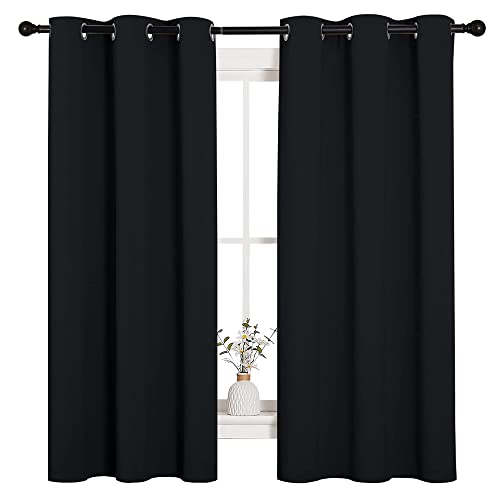
NICETOWN Halloween Pitch Black Solid Thermal Insulated Grommet Blackout Curtains/Drapes for Bedroom Window (2 Panels, 42 inches Wide by 63 inches Long, Black)
- Set Includes: 2 blackout curtains, 42×63 inches each
- Grommet Top: 6 grommets per panel for easy hanging
- Light Blocking: Blocks 85%-99% of light and UV rays
As an affiliate, we earn on qualifying purchases.
As an affiliate, we earn on qualifying purchases.
Frequently Asked Questions
How Does Stress Impact Sleep Quality?
Stress impacts your sleep quality by increasing stress hormones like cortisol, which can lead to sleep disruption. When you’re stressed, your body stays in a heightened state, making it hard to fall asleep or stay asleep through the night. This ongoing stress response interferes with your natural sleep cycles, leaving you feeling exhausted and less refreshed. Managing stress levels is essential for improving your sleep and overall well-being.
Can Certain Foods Improve Sleep?
Think of your body as a finely tuned orchestra; certain foods act as the conductor’s baton, guiding restful sleep. Consuming foods rich in sleep-promoting nutrients, like magnesium in nuts or tryptophan in turkey, can reduce dietary triggers that disrupt rest. Including these in your diet helps calm your mind and body, making it easier to drift into a deep, restorative sleep. Small dietary changes can harmonize your sleep patterns beautifully.
What Role Does Temperature Play in Sleep?
Temperature plays a vital role in your sleep quality. You should aim for ambient warmth that’s comfortable, typically around 60-67°F (15-19°C). Your body naturally regulates temperature during sleep, so maintaining a cool environment helps lower core temperature, making it easier to fall asleep and stay asleep. Adjust your room’s temperature accordingly, use breathable bedding, and avoid overheating to optimize your sleep cycle and wake feeling refreshed.
How Do Naps Affect Nighttime Sleep?
Surprisingly, power naps can sabotage your nighttime sleep if they’re too long or taken late in the day. They might seem like a quick fix, but they disrupt your circadian rhythms, making it harder to fall asleep at night. Instead, keep naps short—around 20 minutes—and schedule them early. Ironically, these tiny breaks can actually improve your overall sleep quality, helping your rhythm stay on track.
Are Sleep Supplements Effective and Safe?
Sleep supplements can be effective for short-term issues, but their safety varies. Herbal remedies like melatonin or valerian may help, but you should use them cautiously and consult a healthcare professional. Prioritize good sleep hygiene—maintain a consistent sleep schedule, limit screen time before bed, and create a calming environment. Relying solely on supplements isn’t ideal; combining them with healthy habits offers the best chance for restful, safe sleep.
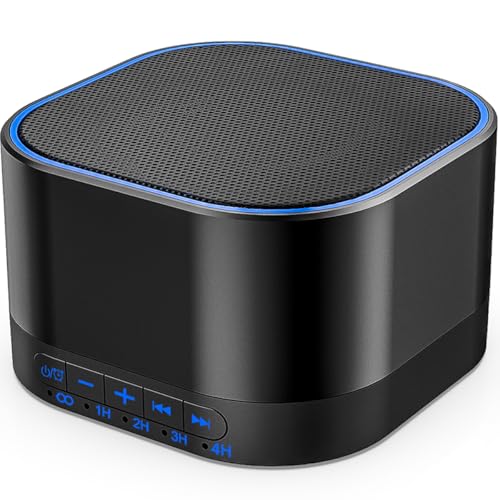
Magicteam Sound White Noise Machine with 20 Non Looping Natural Soothing Sounds and Memory Function 32 Levels of Volume Powered by AC or USB and Sleep Sound Timer Therapy for Baby Kids Adults
- 20 Non-Looping Soothing Sounds: Includes white, brown, pink, blue noise, and nature sounds
- Adjustable Volume & Timer: 32 volume levels and multiple timer options
- Portable & Compact Design: Small size for home, office, or travel
As an affiliate, we earn on qualifying purchases.
As an affiliate, we earn on qualifying purchases.
Conclusion
By focusing on light, caffeine, and your internal rhythm, you hold real power over your sleep quality. Did you know that just 30 minutes of morning sunlight can boost your alertness for hours? Small changes in these levers can lead to better rest and sharper days. So, take control today—adjust your light exposure, manage caffeine wisely, and honor your natural rhythm. Your best sleep is within reach, and it starts with these simple yet powerful steps.

MyHalos® Sleep Mask – 3D Blackout Eye Mask for Women & Men, Side Sleepers, Zero Pressure Memory Foam Eyelash Friendly, Breathable,Award-Winning Sleep Aid for Travel (Black, 1 Count (Pack of 1)
- Complete Blackout Design: Blocks 100% light for deep sleep
- Enhanced Light Blocking: 23mm nose bridge for better coverage
- Zero Eye Pressure: 16mm deep eye cups prevent eyelid contact
As an affiliate, we earn on qualifying purchases.
As an affiliate, we earn on qualifying purchases.

QUTOOL Cooling Pillow for Sleeping, CertiPUR-US Shredded Memory Foam Queen Pillows Set of 2, Cool Pillow for Hot Sleepers Adjustable Firm Pillow for Side, Back, Stomach Sleepers Soft Yet Support,White
- Cooling Technology: Double-sided cover with cooling and soft sides
- Temperature Reduction: Lowers surface temperature by 4-9°F
- Breathable Materials: Bamboo-derived Rayon and Polyester blend
As an affiliate, we earn on qualifying purchases.
As an affiliate, we earn on qualifying purchases.