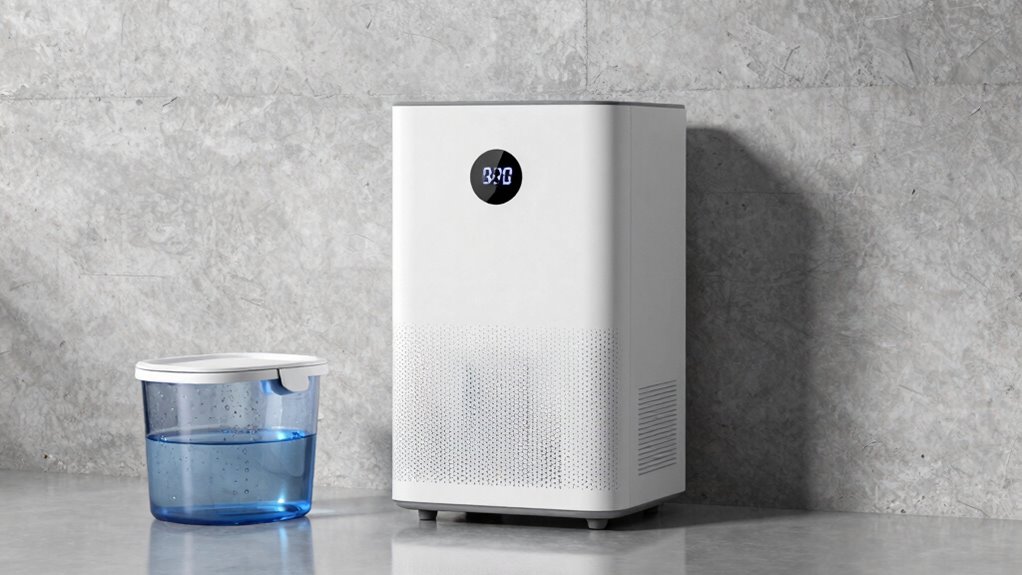

A dehumidifier’s “pints per day” rating shows how much moisture it can remove from the air over 24 hours under specific test conditions. Keep in mind, this number varies with environment, room size, and humidity levels. A higher rating suits larger or very humid spaces, while smaller rooms need fewer pints. Understanding this helps you pick the right unit; if you’re curious about how factors affect performance, there’s more to explore.
Open a free Amazon Business account
Business pricing, bulk buying and tax-exempt orders.
As an affiliate, we earn on qualifying purchases.
Key Takeaways
- “Pints per day” measures how much moisture a dehumidifier can remove in 24 hours under specific testing conditions.
- Higher ratings are suitable for larger or more humid spaces, while lower ratings work for smaller or less damp areas.
- Actual moisture removal varies with environmental factors like room size and humidity levels.
- Ratings are based on standardized tests; real-world performance may differ depending on ambient conditions.
- Selecting the appropriate pint rating helps prevent issues like mold growth and optimizes energy efficiency.
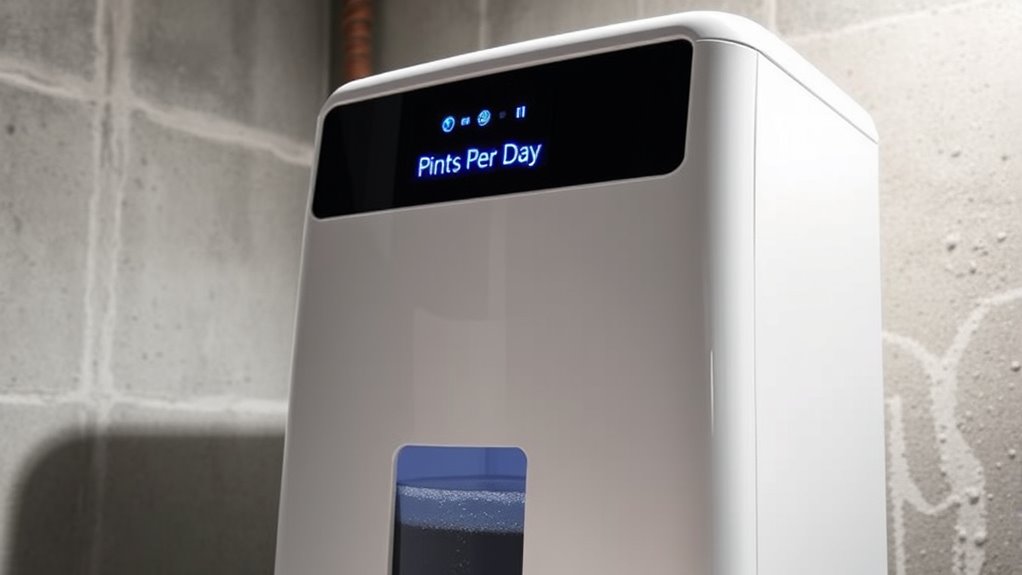
Are you unsure how to choose the right dehumidifier for your needs? Understanding what “pints per day” really means is a good place to start. This measurement indicates how much moisture a dehumidifier can remove from the air in a 24-hour period. But it’s important to remember that the number isn’t set in stone; it depends heavily on your specific environment, especially humidity levels. If your space has high humidity, a dehumidifier with a higher pint rating will be more effective at maintaining comfortable conditions. Conversely, if the air isn’t too damp, a smaller capacity unit might do the trick.
Knowing the pint capacity helps you match a dehumidifier to your needs, but don’t forget about energy efficiency. A model with a high pint removal rate might seem appealing, but it could also consume more electricity, leading to higher utility bills. Look for units that balance capacity with energy efficiency—those with features like automatic shut-off, adjustable humidity controls, and Energy Star ratings. These features ensure you’re not just removing moisture effectively, but doing so in a way that minimizes power consumption. This is especially important if you plan to run the dehumidifier constantly or for long periods.
Choose energy-efficient dehumidifiers with adjustable settings to save power and maintain optimal humidity levels.
When selecting a dehumidifier, think about your space’s size and typical humidity levels. Larger or more humid areas require units with higher pints per day ratings to keep the air comfortable and prevent mold or mildew growth. Smaller spaces or rooms with moderate humidity might only need a unit rated for fewer pints per day. Keep in mind that the actual moisture removal can vary depending on ambient conditions; a dehumidifier rated at 50 pints may only remove that amount under specific test conditions, so consider your environment carefully. Additionally, understanding the performance factors that influence dehumidifier effectiveness can help you make a more informed choice.
Top picks for "dehumidifier rating pint"
As an affiliate, we earn on qualifying purchases.
Frequently Asked Questions
How Do I Choose the Right Dehumidifier Size for My Space?
To select the right dehumidifier size, start by evaluating your room size and humidity levels. For small spaces like bedrooms, a unit with around 30-50 pints per day works well for humidity control. Larger rooms or damp areas need a higher capacity, like 60-70 pints. Match the dehumidifier to your room size and humidity needs to ensure effective moisture control without overusing energy.
Does a Higher Pint Rating Mean Better Performance?
A higher pint rating doesn’t automatically mean better performance; it’s like comparing apples to oranges. It mainly indicates how much moisture removal the dehumidifier can handle in a day, which affects humidity control. If your space is damp, a higher pint rating helps you keep humidity levels steady and comfortable. But, for smaller rooms, a lower rating might be enough to effectively control moisture without wasting energy.
Can Dehumidifiers Operate Efficiently in Cold Temperatures?
Yes, dehumidifiers can operate efficiently in cold temperatures, but humidity control might become less effective as temperatures drop. Higher temperatures generally improve performance, while colder conditions can impact the dehumidifier’s ability to remove moisture effectively. To guarantee ideal operation in low temperatures, look for models designed for cold environments, as they’re built to minimize temperature impact and maintain consistent moisture control regardless of the weather.
How Often Should I Empty or Replace the Water Tank?
You should empty or replace the water tank regularly, ideally once a day or when it’s full, to keep your dehumidifier working efficiently. Follow your model’s maintenance schedule, checking the tank frequently, especially during high humidity months. Keep an eye on signs of overflow or reduced performance, and clear any blockages. Consistent maintenance guarantees your dehumidifier stays effective, prolongs its lifespan, and maintains healthy indoor air quality.
Are There Energy-Efficient Dehumidifier Models Available?
Yes, you can find energy-efficient dehumidifier models that save power and are eco-friendly. Look for units with energy-saving features like adjustable humidity controls, auto shut-off, and Energy Star certification. These models use advanced technology to reduce energy consumption while effectively removing moisture from your space. Choosing eco-friendly options helps lower your energy bills and minimizes environmental impact, ensuring you stay comfortable and green at the same time.
Conclusion
Understanding what “pints per day” really means helps you choose a dehumidifier that suits your space. Think of it as finding the gentle breeze that keeps your home comfortable without overwhelming it. By paying attention to these ratings, you guarantee your environment stays just right—neither too damp nor too dry. With a little guidance, you’ll create a cozy haven where moisture stays in perfect balance, making every day feel a little more inviting.
Back to school Picks
back to school
As an affiliate, we earn on qualifying purchases.