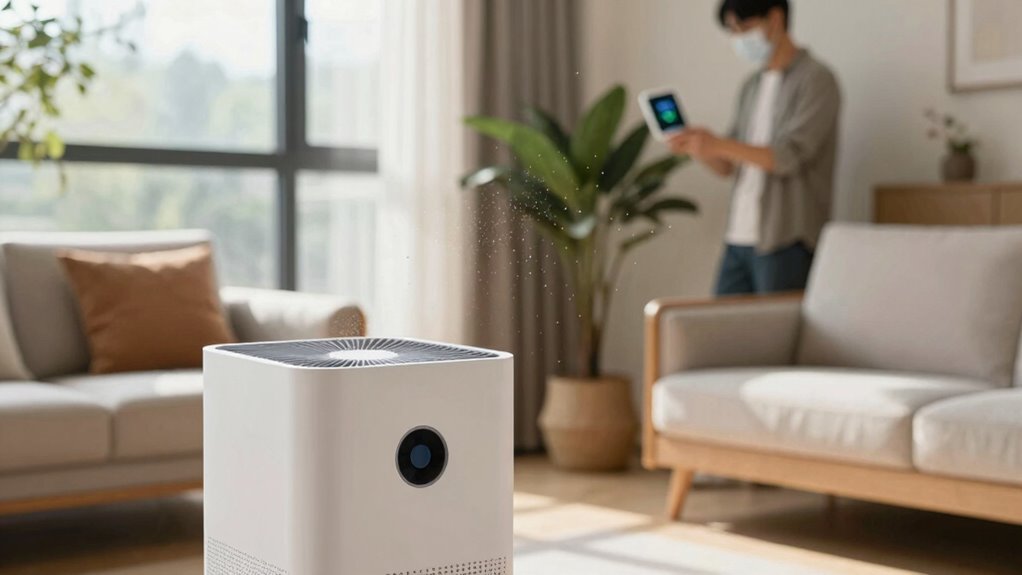

To effectively address indoor air problems, understand that HEPA filters are great for capturing tiny particles like dust, pollen, and allergens, while activated carbon filters target gases, odors, and volatile chemicals. Combining both offers thorough protection from common pollutants such as pet dander, fumes, and VOCs. Think about your specific air quality issues to choose the right filtration. Keep in mind that managing sources and ventilation are equally important—discover more insights on creating cleaner indoor air.

Prime made for students and young adults
- Fast, free delivery for dorm and study essentials
- Prime Video and Amazon Music included
- Member-only deals
Key Takeaways
- HEPA filters effectively remove small particulate pollutants like dust and allergens but do not address gaseous odors or chemicals.
- Activated carbon filters excel at adsorbing gases, VOCs, and odors, complementing HEPA filtration for comprehensive air purification.
- Addressing indoor air problems requires managing pollutant sources, such as cleaning supplies, smoking, and pet dander, alongside filtration.
- Proper ventilation and airflow control are critical for diluting indoor pollutants and preventing accumulation.
- Combining filtration methods and source control offers the most effective strategy for improving indoor air quality.
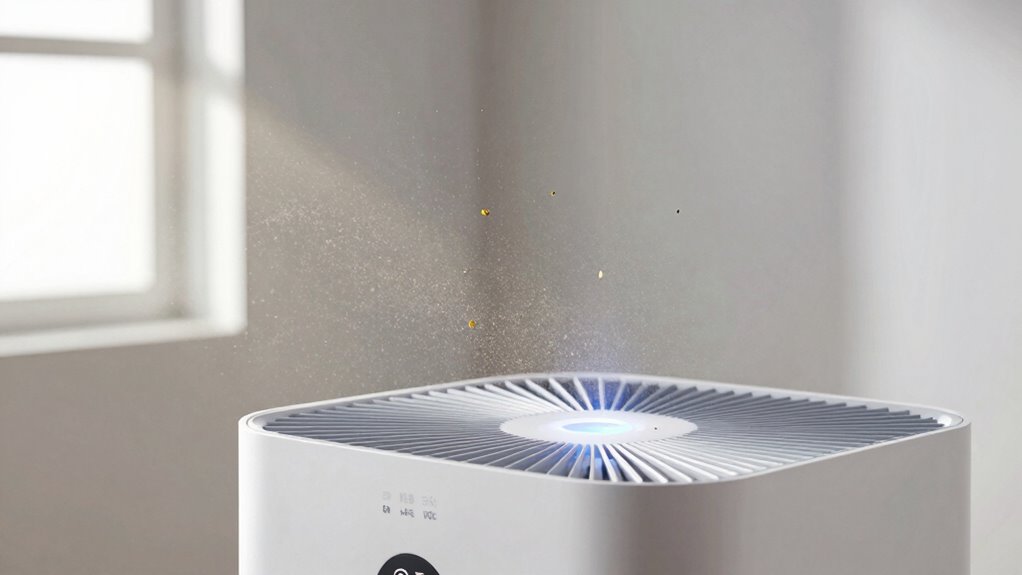
Indoor air quality directly impacts your health and comfort, yet many people overlook the significance of clean, safe air inside their homes and workplaces. To truly understand how to improve it, you need to consider ventilation strategies and pollutant sources. Ventilation is your first line of defense; it helps remove stale air and introduces fresh air, diluting indoor pollutants. Proper ventilation isn’t just about opening windows; it involves controlled airflow systems that can filter incoming air and exhaust contaminated air effectively. Without good ventilation, pollutants like dust, pollen, and indoor chemicals accumulate, making indoor air quality worse over time.
Pollutant sources are the root causes of indoor air issues. These can include everyday items like cleaning supplies, paints, and furniture, as well as activities such as cooking or smoking indoors. Recognizing these sources allows you to minimize exposure. For example, choosing low-VOC (volatile organic compound) products reduces airborne chemicals. Regular cleaning and maintenance also help control dust and mold, which are common indoor pollutants. If you have pets, you’ll need to account for pet dander and hair, which can linger in the air and worsen respiratory issues. Identifying these sources isn’t about creating paranoia but about taking practical steps to limit their impact. Incorporating pollutant sources awareness into your routine can make a significant difference in indoor air quality. Additionally, understanding the types of pollutants present can help you select appropriate filtration methods.
Recognizing and managing indoor pollutant sources like cleaning supplies and pets improves air quality and promotes health.
When thinking about filtration, HEPA filters are often your best option for capturing tiny particles like allergens, dust mites, and some bacteria. They’re highly effective but don’t remove gaseous pollutants or odors. For chemical vapors and odors, activated carbon filters come into play. They adsorb gases and volatile compounds, helping to improve air quality where chemical sources are unavoidable. Combining HEPA and activated carbon filters in your ventilation system or air purifier provides a broader defense. It’s vital to match your filtration approach to your specific indoor environment and its pollutant sources. Proper filtration techniques are essential for maintaining a healthier indoor environment. Additionally, understanding these elements helps you make smarter choices about your indoor air quality. Don’t rely solely on one solution—use a combination of good ventilation, targeted filtration, and source control. Regularly evaluating your indoor environment, replacing filters, and maintaining proper airflow can make a tangible difference. Additionally, implementing proper filtration strategies can significantly reduce airborne contaminants and improve overall air quality. Remember, clean air isn’t just a luxury; it’s essential for your health and overall well-being. By focusing on ventilation strategies and understanding pollutant sources, you take control of your indoor environment, ensuring it’s a safe, healthy space to breathe.
As an affiliate, we earn on qualifying purchases.
Frequently Asked Questions
How Do I Determine the Right Air Purifier for My Home?
To choose the right air purifier, first assess your specific needs, like allergies or smoke. Avoid air quality myths by researching reputable models with HEPA filters for allergens and carbon filters for odors. Consider purifier maintenance—regular filter changes guarantee effectiveness. Look for units suitable for your room size, and read reviews to find reliable options. This way, you’ll improve your indoor air quality effectively and avoid common pitfalls.
Can HEPA Filters Remove Viruses and Bacteria Effectively?
You bet HEPA filters can effectively remove viruses and bacteria from the air. They excel at virus filtration and bacteria removal, trapping tiny particles that carry pathogens. While no filter is perfect, HEPA units substantially reduce airborne germs, giving you peace of mind. Just remember, they work best when combined with good ventilation and regular cleaning—killing two birds with one stone for healthier indoor air.
What Are the Health Risks of Long-Term Indoor Air Pollution?
Long-term indoor air pollution exposes you to indoor toxins that can cause serious health issues over time. Chronic exposure increases your risk of respiratory problems, allergies, asthma, and even cardiovascular diseases. Poor air quality may also weaken your immune system and lead to headaches or fatigue. To protect yourself, guarantee good ventilation, use effective air filters, and reduce sources of indoor toxins, minimizing the risks associated with prolonged exposure.
How Often Should I Replace or Clean Indoor Air Filters?
You should replace or clean your indoor air filters every 1 to 3 months to guarantee ideal filter maintenance and improve air quality. Check your filters regularly, especially during peak allergy or pollution seasons. For HEPA filters, follow the manufacturer’s instructions. Carbon filters may need more frequent replacement if you notice persistent odors or reduced air flow. Consistent filter maintenance keeps your indoor environment healthier and air fresh.
Are There Natural or Non-Chemical Ways to Improve Indoor Air Quality?
Yes, you can improve indoor air quality naturally. You should increase natural ventilation by opening windows regularly to let fresh air in and stale air out. Additionally, indoor plants like spider plants or peace lilies help absorb toxins and boost humidity. These simple strategies reduce pollutants without chemicals, creating a healthier environment. Regularly using natural ventilation and plants can considerably enhance your indoor air quality over time.
activated carbon filter for gases
As an affiliate, we earn on qualifying purchases.
As an affiliate, we earn on qualifying purchases.
Conclusion
Understanding the roles of HEPA filters and activated carbon in indoor air quality is essential, but remember, no filter can eliminate all pollutants. While some believe HEPA filters are a cure-all, studies show they’re most effective against particulate matter, not gases or volatile compounds. The truth is, maintaining good ventilation, reducing sources of pollution, and using appropriate filtration together create a healthier environment. Don’t fall for the myth that one solution solves all—real air quality requires a balanced approach.
air purifier with HEPA and carbon filters
As an affiliate, we earn on qualifying purchases.
As an affiliate, we earn on qualifying purchases.
ventilation system for indoor air quality
As an affiliate, we earn on qualifying purchases.
As an affiliate, we earn on qualifying purchases.
Columbus Day / Indigenous Peoples' Day Picks
long weekend sales
As an affiliate, we earn on qualifying purchases.






![Terence Tao: Math 2.0 [Pdf]](https://haltmal.com/wp-content/uploads/2026/10/terence-tao-math-2-0-pdf-featured-260x140.jpg)