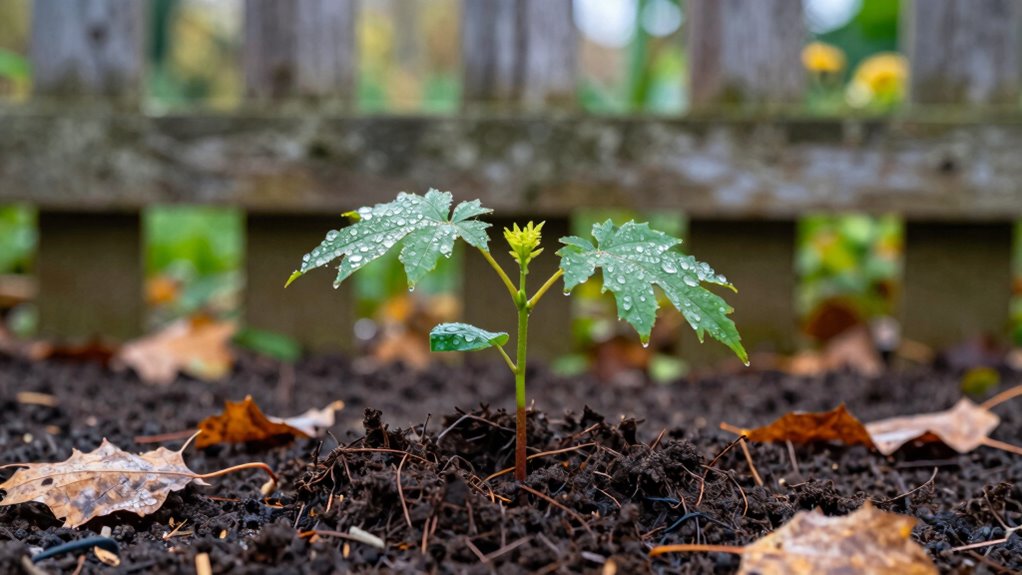

When you start learning a new skill, it’s normal to feel slow and awkward because your brain and muscles are still adapting. This initial phase helps build a strong foundation for real progress later. Consistent practice reinforces neural pathways and improves coordination over time. While early efforts may seem limited, persistence is key to turning that slow start into mastery. Keep going, and you’ll discover how those early struggles lead to greater confidence and skill development.

Prime made for students and young adults
- Fast, free delivery for dorm and study essentials
- Prime Video and Amazon Music included
- Member-only deals
Key Takeaways
- Initial learning involves trial and error, making progress seem slow and awkward.
- Consistent practice reinforces neural pathways, gradually improving skill and speed.
- The learning curve starts steep due to brain and muscle adaptation, slowing early progress.
- Steady effort builds foundational skills, transforming initial difficulty into mastery over time.
- Everyone experiences a slow start; persistence leads to noticeable improvement and confidence.

Learning curves illustrate how your performance improves as you gain more experience with a task. When you’re just starting out, everything feels slow and awkward. That’s completely normal. The initial phase of learning is often marked by trial and error, where your efforts seem to produce limited results. But don’t get discouraged. This is the natural beginning of skill development. As you stick with it, you’ll notice gradual improvements, and what once felt difficult will become more manageable.
One of the most effective ways to navigate this slow start is to practice consistency. Regular practice helps your brain and muscles adapt to new movements or concepts, reinforcing neural pathways that are essential for skill acquisition. When you practice consistently, you give yourself the chance to build on small successes each day. This steady repetition creates a foundation that accelerates your progress over time. Remember, it’s not about trying to learn everything at once but about showing up regularly and pushing through the initial awkwardness.
Skill development doesn’t happen overnight, and understanding this helps you stay motivated through the early stages. During those first attempts, you might feel frustrated because progress seems minimal. But every repetition, every effort, contributes to your overall growth. Over time, your brain becomes more efficient at processing information related to the task, and your muscles adapt to perform movements more smoothly. The slow start is simply your brain and body adjusting to new demands. As you continue practicing with patience, you’ll notice your performance speed increasing and your confidence growing.
It’s important to recognize that everyone goes through this phase. Even experts started as beginners, struggling with the basics. The key is to embrace the process and stay committed. By maintaining practice consistency, you create a habit, and habits are what turn initial difficulty into mastery. Over weeks and months, the learning curve begins to flatten, and your efforts pay off with tangible results. Remember, the start always feels slow because your brain and body are laying the groundwork for future proficiency. Keep pushing forward, and you’ll eventually see how all that initial effort transforms into skill and confidence. The slow beginning is just a sign that you’re on the path to mastery. Progress takes time and patience is essential for lasting improvement.
Frequently Asked Questions
How Long Does It Typically Take to See Significant Improvement?
You usually see significant improvement within a few weeks to a couple of months, depending on your dedication and practice consistency. During skill acquisition, you might hit a learning plateau where progress slows, but persistence breaks through that. Keep practicing regularly, set small goals, and stay patient. Over time, your skills will accelerate, and the initial slow start will give way to steady growth, making the effort worthwhile.
Can Learning Curves Vary Between Individuals?
Yes, learning curves can vary between individuals. Personalized learning plays a big role, as everyone processes and progresses at different paces. Some may experience rapid rises, while others hit a skill plateau longer or sooner. Your unique background, motivation, and learning style influence how quickly you climb the curve. Embracing these differences helps you stay patient and persistent, recognizing that progress isn’t one-size-fits-all.
What Factors Influence the Rate of Learning?
The rate of learning varies based on your learning styles and the quality of instructional design. If your style favors visual or hands-on methods, you’ll grasp concepts faster with tailored approaches. Well-designed instruction boosts your understanding by breaking down complex info and providing practice. Additionally, your motivation, prior knowledge, and the complexity of the material all influence how quickly you learn. Adaptation and personalized strategies help accelerate your progress.
How Do Motivation and Mindset Affect Progress?
While progress might seem slow initially, your motivation boost and mindset shifts can accelerate your learning. When you stay motivated, you push through challenges, making steady gains. Adopting a growth mindset helps you see setbacks as opportunities, not failures. This positive outlook fuels perseverance, turning early struggles into valuable lessons. Ultimately, your mindset and motivation directly influence how quickly you advance, transforming slow starts into confident strides forward.
Are There Strategies to Accelerate the Learning Process?
You can accelerate your learning process by practicing consistently and focusing on skill transfer. Set regular routines to build momentum, making progress feel natural and steady. Break complex skills into smaller parts, then apply what you learn across different areas to reinforce understanding. This approach helps you avoid stagnation, boosts confidence, and speeds up mastery. Keep pushing forward, and you’ll notice improvements faster as your skills transfer more effectively.
Conclusion
Remember, every expert was once a beginner, and the initial slow progress is a normal part of learning. Studies show it takes about 10,000 hours to master a new skill, so patience is key. When you feel like you’re not improving fast enough, keep going—you’re building a foundation for success. Embrace the slow start, because it’s just the beginning of your journey to mastery. Keep pushing, and you’ll see the progress you’re aiming for.
Fall Picks
fall essentials
As an affiliate, we earn on qualifying purchases.