

When considering stress relief products, recognize that some benefits may come from placebo effects—your belief can boost mood by releasing feel-good chemicals. Stay skeptical of claims without scientific backing and balance openness with caution. Focus on proven techniques like exercise or mindfulness as part of your plan. Understanding the psychological mechanisms involved helps avoid magical thinking and makes your choices more rational. If you want to learn how to navigate these ideas effectively, keep exploring these insights.

Prime made for students and young adults
- Fast, free delivery for dorm and study essentials
- Prime Video and Amazon Music included
- Member-only deals
Key Takeaways
- Evaluate stress relief products critically, seeking credible scientific evidence rather than relying solely on marketing claims.
- Recognize that placebo effects can temporarily improve mood but do not replace evidence-based stress management techniques.
- Balance openness to benefits with skepticism to avoid overestimating a product’s effectiveness.
- Use stress relief products as part of a broader strategy, including exercise, mindfulness, and practical coping skills.
- Understand psychological mechanisms like belief and expectation to make informed, rational decisions about stress relief options.
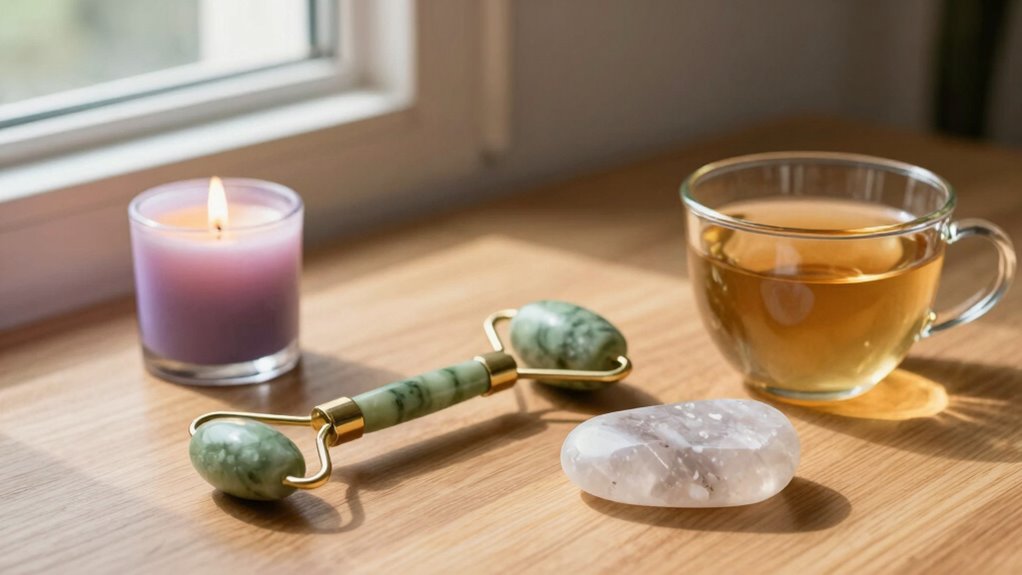
In today’s fast-paced world, stress relief products can seem like quick fixes, but it’s important to approach them thoughtfully. Many of these products—whether they’re herbal teas, essential oils, or calming gadgets—are often rooted in the power of placebo effects. You might find that just believing a product will help reduces your stress, even if the product itself has no direct physical impact. This isn’t necessarily a bad thing; the mind’s influence over stress levels is real. However, it’s crucial not to rely solely on these effects or fall into the trap of magical thinking, where you expect a product to solve all your problems without addressing underlying causes.
Stress relief products can work through the mind’s power, but they shouldn’t replace addressing underlying causes.
Consumer skepticism is healthy when evaluating stress relief options. It’s easy to get caught up in marketing claims that promise instant calm or stress-free living. But if you accept these claims at face value without questioning their scientific backing, you risk being disappointed or misled. Recognize that many products are designed to appeal to your desire for quick relief, and their effectiveness can vary widely from person to person. When considering a new stress relief product, ask yourself whether it has credible research supporting its claims or if it’s mainly riding on marketing hype.
Understanding the role of placebo effects can help you manage your expectations. When you believe a product will help, your brain releases chemicals like endorphins that can genuinely improve your mood and reduce feelings of stress. This isn’t deception; it’s a real psychological phenomenon that can be harnessed positively. But it’s important to differentiate between placebo-driven relief and solutions that address the root causes of stress. Relying solely on products that depend on placebo effects can lead to neglecting practical stress management techniques, like exercise, mindfulness, or therapy, which have proven benefits beyond the power of suggestion. Recognizing the psychological mechanisms involved can enhance your understanding of how these effects work.
Thinking critically about stress relief products also involves recognizing your own biases. If you’re skeptical, you might dismiss helpful products too quickly. Conversely, if you’re too eager to believe in a product’s powers, you might overlook its limitations. Balance is key. Use these products as part of a broader stress management strategy, not the sole solution. Be open-minded but cautious, and remember that genuine relief often comes from a combination of approaches—mind and body working together. An awareness of scientific evidence can guide you toward more effective choices. By approaching stress relief products with a clear, informed mindset, you can better distinguish between products that genuinely help and those that merely capitalize on your hopes or fears. Additionally, understanding the placebo effects involved can help you make more informed choices about their effectiveness.
As an affiliate, we earn on qualifying purchases.
Frequently Asked Questions
Can Stress Relief Products Replace Therapy or Medical Treatment?
Stress relief products can’t replace therapy or medical treatment. Instead, consider alternative therapies and holistic approaches to support your mental health. These options can complement professional care, helping you manage stress more effectively. Always consult a healthcare provider before relying solely on stress relief products. They’re best used as part of a broader strategy, combining medical treatment, therapy, and alternative methods for an all-encompassing approach to your well-being.
Are There Scientific Studies Supporting the Effectiveness of Stress Relief Products?
Yes, scientific studies support the effectiveness of some stress relief products, showing they can positively influence psychological benefits and physiological responses. For instance, mindfulness apps or aromatherapy have been linked to reduced anxiety and lowered cortisol levels. While these products aren’t a cure-all, they can complement other stress management techniques. Always look for evidence-based options, and remember they work best when combined with healthy habits and professional guidance.
How Do Placebo Effects Influence Perceived Benefits of Stress Relief Items?
The placebo impact profoundly influences your perceived efficacy of stress relief items. When you believe a product will help, your mind can generate real feelings of relaxation, even if the product lacks active ingredients. This psychological effect enhances perceived benefits, making you feel calmer and more at ease. Recognizing this can help you appreciate the power of your expectations, but also stay grounded in scientific evidence rather than magical thinking.
What Are Common Misconceptions About Stress Relief Products?
Many people believe stress relief products work through superstitious beliefs or marketing hype, but that’s a misconception. These products often lack scientific backing, and their benefits are usually placebo effects rather than genuine solutions. Don’t fall for the idea that a specific item holds magical powers or can instantly eliminate stress. Instead, focus on proven techniques like exercise, mindfulness, and healthy habits for lasting relief, not quick fixes.
How Can I Evaluate if a Stress Relief Product Is Worth Trying?
To evaluate if a stress relief product is worth trying, start by checking its safety and whether it’s approved by relevant health authorities. Read user reviews to see real experiences and potential benefits or drawbacks. Consider if the product’s claims seem realistic and align with scientific evidence. If it’s safe and others find it helpful, it might be worth a try. Always consult a healthcare professional if unsure.
As an affiliate, we earn on qualifying purchases.
Conclusion
So, next time you’re tempted to believe a stress relief gadget will magically banish your worries, remember: it’s not a potion or a miracle. These products might help ease tension, but they’re not a substitute for real coping skills or addressing the root causes of your stress. Ironically, the best relief comes from understanding yourself and your habits — a little effort beats endless buying sprees every time. Sometimes, less truly is more.
calming gadgets for stress reduction
As an affiliate, we earn on qualifying purchases.
As an affiliate, we earn on qualifying purchases.
As an affiliate, we earn on qualifying purchases.
Halloween Picks
halloween
As an affiliate, we earn on qualifying purchases.