
TL;DR

Prime made for students and young adults
- Fast, free delivery for dorm and study essentials
- Prime Video and Amazon Music included
- Member-only deals
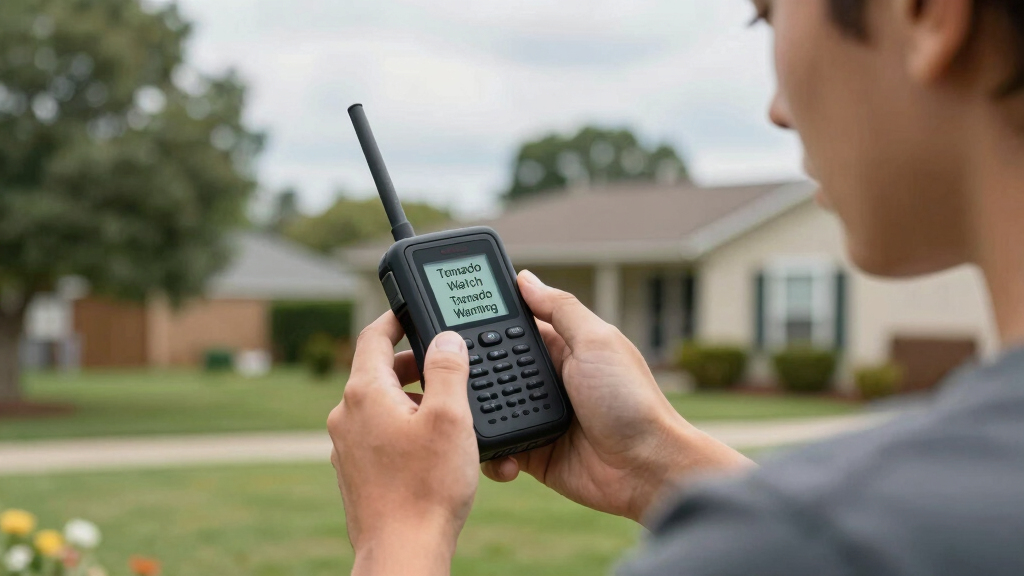
A tornado watch indicates conditions are favorable for tornado formation, while a tornado warning signals a tornado has been sighted or indicated by radar. Clarifying these terms helps the public respond appropriately to severe weather alerts.
Authorities issued a tornado watch in several regions today, indicating favorable conditions for tornado formation, while a tornado warning was issued in specific areas after sightings of a tornado. Understanding the distinction between these alerts is essential for public safety, as they relate to tornado alerts.
A tornado watch is issued by the National Weather Service (NWS) when atmospheric conditions suggest that tornadoes are possible in the specified area. It does not mean a tornado is occurring, but residents should stay alert and monitor weather updates, especially in regions prone to severe weather such as severe thunderstorm watch areas.
Conversely, a tornado warning is issued when a tornado has been sighted or indicated by radar, requiring immediate action from residents. It signifies an imminent threat and often prompts emergency procedures such as seeking shelter.
Today, the NWS issued a tornado watch for parts of the Midwest and Southeast, with a tornado warning in effect for specific counties where sightings have been reported, according to the NWS spokesperson. Residents in affected areas can find more information on local tornado alerts and safety procedures.
Why Clear Understanding of Tornado Alerts Is Critical
Accurately distinguishing between a tornado watch and warning can save lives by prompting appropriate responses. Misinterpreting a watch as a warning might lead to complacency, while confusing a warning with a watch could cause unnecessary panic. Public awareness and understanding of these terms are vital during severe weather events, especially in regions prone to tornadoes.
As an affiliate, we earn on qualifying purchases.
Background on Tornado Alerts and Public Safety Protocols
The National Weather Service issues different types of alerts to communicate weather threats. A watch indicates conditions are favorable for tornadoes, often issued hours before severe weather is expected. A warning signals that a tornado is occurring or imminent, requiring immediate action. These alerts are part of standard emergency protocols used nationwide to inform the public and coordinate response efforts.
Historically, effective communication of these alerts has been linked to better safety outcomes, but confusion persists among the public, especially during rapidly changing weather conditions. Recent trends show an increase in severe weather incidents, emphasizing the importance of clear, timely alerts.
As an affiliate, we earn on qualifying purchases.
Unclear Aspects of Tornado Alert Communication
While the definitions are clear, it is still uncertain how effectively the public interprets and responds to these alerts in real-time. There are also questions about how quickly authorities can escalate from a watch to a warning during rapidly developing storms. Further research is needed to assess communication effectiveness and public response during recent severe weather events.
As an affiliate, we earn on qualifying purchases.
Next Steps for Public Safety and Alert Clarity
Meteorological agencies plan to enhance public education campaigns about tornado alerts. Authorities will also review communication protocols to improve clarity and timeliness of alerts, especially during fast-evolving weather conditions. Residents are advised to stay informed through official channels and review safety procedures for tornado emergencies.
As an affiliate, we earn on qualifying purchases.
Key Questions
What should I do if I receive a tornado watch?
If a tornado watch is issued, stay alert, monitor weather updates, and prepare an emergency kit and shelter plan in case conditions worsen.
What actions are necessary during a tornado warning?
During a warning, seek shelter immediately in a basement or interior room, away from windows, and listen for further instructions from authorities.
How can I differentiate between a watch and a warning?
A watch indicates favorable conditions for tornadoes, while a warning confirms that a tornado has been sighted or detected. Warnings require immediate action.
Are tornado watches and warnings issued at the same time?
Often, a watch is issued first, followed by a warning if a tornado is confirmed or imminent. The timing depends on storm development.
How reliable are radar indications for tornado warnings?
Radar can detect rotation indicative of tornadoes, but not all radar-indicated rotations produce tornadoes. Confirmations often come from visual sightings or damage reports.
Source: google-trends
Fall Picks
fall essentials
As an affiliate, we earn on qualifying purchases.