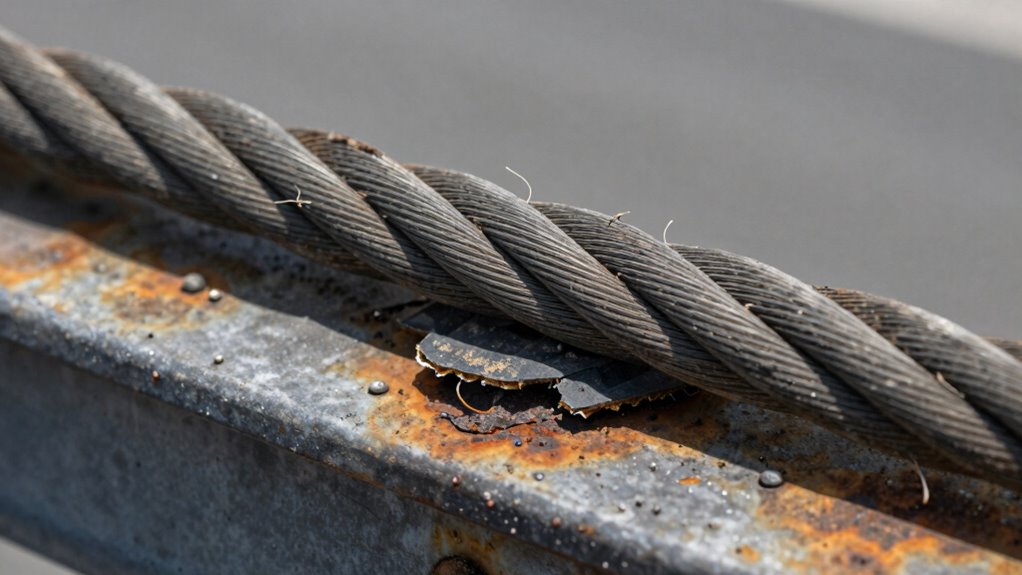

Durability signals reveal how materials perform over time, showing key wear points and potential failure modes. By observing early signs like surface wear or cracks, you can identify when a product or structure is deteriorating. Understanding these signals helps you select appropriate coatings, prevent premature failures, and plan maintenance effectively. Recognizing environmental impacts and stress points allows you to extend the lifespan of assets. Keep exploring to learn more about how these signals guide durability and longevity.
Listen free for 30 days with Audible
Thousands of audiobooks and originals — cancel anytime.
As an affiliate, we earn on qualifying purchases.
Key Takeaways
- Durability signals include visible wear points indicating material degradation and potential failure zones.
- Material selection and protective coatings influence resistance to environmental factors and extend lifespan.
- Common failure modes involve fatigue cracks, surface wear, corrosion, and environmental damage.
- Monitoring wear points helps predict failure modes and guides proactive maintenance strategies.
- Understanding durability signals optimizes asset management by informing repairs, replacements, and protective measures.
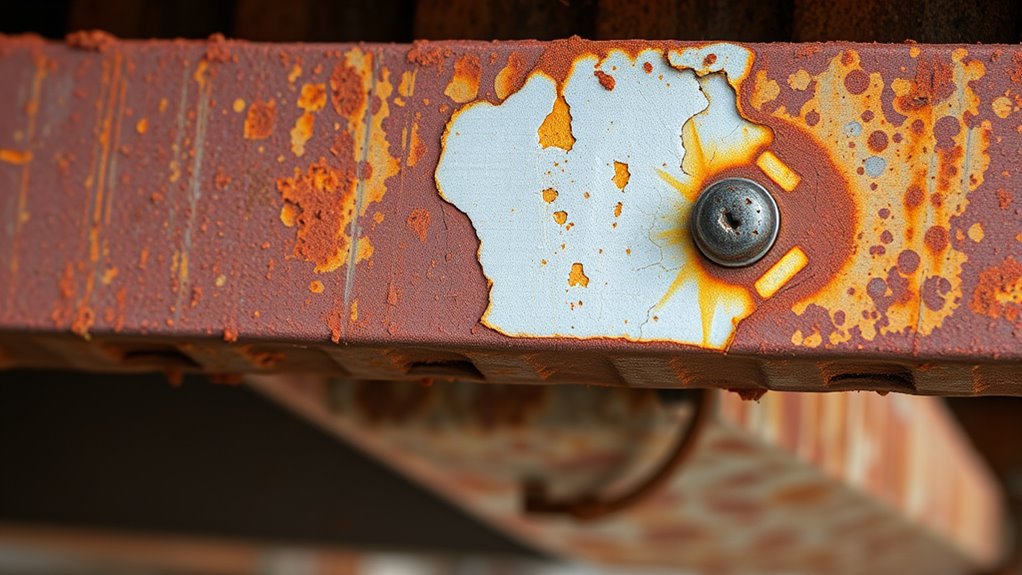
Durability signals are key indicators that reveal how well a product or material can withstand wear and tear over time. When evaluating durability, you need to consider various factors that influence how long a material remains functional and effective. One critical aspect is the underlying coating technologies used to protect surfaces. Modern coating technologies have advanced considerably, offering enhanced resistance against corrosion, scratches, and environmental damage. These coatings not only extend the lifespan of materials but also help you maintain their appearance and performance in demanding conditions. For example, ceramic and polymer-based coatings create tough barriers that prevent moisture ingress and chemical attack, which are common causes of deterioration. By choosing the right coating technology, you can markedly improve the durability signals of your products, making them more resilient to daily wear and environmental stresses. Understanding coating technologies is essential for selecting materials that will perform well over time. Environmental impacts also play an essential role in determining a material’s longevity. Certain environments accelerate wear and cause faster failure due to factors like humidity, UV radiation, temperature fluctuations, and exposure to pollutants. Understanding these environmental influences helps you predict potential failure modes and choose materials that can withstand such conditions. For instance, coastal areas with high salt content demand corrosion-resistant coatings and materials specifically formulated to combat salt-induced degradation. Ignoring environmental impacts can lead to premature failure, which manifests in visible wear points such as blistering, peeling, or rust. Recognizing these signals early allows you to perform maintenance or select alternative materials that better suit the environment, ultimately increasing durability. Failure modes often reveal themselves through specific wear points, which act as warning signs of impending or ongoing breakdown. These wear points can develop gradually or suddenly, depending on the material and the stresses applied. For example, fatigue cracks may originate at stress concentration points and propagate over time, leading to catastrophic failure if unnoticed. Surface wear, such as abrasion or erosion, also signals that the protective layers or materials are compromised. By closely monitoring these failure modes and wear points, you can identify weak spots before they cause complete failure. This proactive approach enables you to implement repairs or reinforce vulnerable areas, thereby prolonging the life of the product or structure. In essence, understanding durability signals involves an extensive look at coating technologies, environmental impacts, and the failure modes that manifest as wear points. These signals serve as essential clues, guiding your decisions on material selection, maintenance schedules, and protective measures. When you pay attention to these indicators and address them promptly, you guarantee that your products remain reliable and long-lasting, even under challenging conditions. Recognizing and interpreting durability signals allows you to optimize performance, reduce costs, and extend the service life of your assets effectively.

Encyclopedia of Science
- Condition: Used Book in Good Condition
As an affiliate, we earn on qualifying purchases.
Frequently Asked Questions
How Do Environmental Conditions Affect Durability Signals?
Environmental conditions markedly impact durability signals by accelerating corrosion resistance loss and causing environmental degradation. You’ll notice signals like rust or material weakening faster in harsh settings, such as exposure to moisture, chemicals, or extreme temperatures. These factors weaken materials over time, making it essential to select suitable materials and protective coatings. By understanding how your environment influences these signals, you can better anticipate failures and improve maintenance strategies.
Can Durability Signals Predict Long-Term Product Lifespan?
Yes, durability signals can predict long-term product lifespan if you monitor material fatigue and regularly calibrate signals. As materials experience stress over time, changes in these signals reveal potential failure points. By staying attentive to shifts and maintaining accurate calibration, you can estimate how long the product will last and plan maintenance or replacements proactively, ensuring reliability and extending its useful life.
What Role Does User Behavior Play in Wear Points?
Your user habits and usage patterns directly influence wear points on a product. If you frequently use certain features or handle it roughly, those areas experience more stress and deterioration. Consistent, heavy use accelerates wear, while gentle handling extends lifespan. Being mindful of how you interact with the product helps minimize wear points, ultimately enhancing durability. Adjusting your habits can make a noticeable difference in your product’s longevity.
Are There Industry Standards for Durability Signals?
Sure, industry standards for durability signals exist—because everyone loves a good rulebook. They specify how surface treatments and material composition should be tested and rated, giving you a clear idea of product longevity. These standards help manufacturers meet minimum durability expectations, ensuring your gear doesn’t fall apart after a few uses. So, yes, you can rest assured knowing there are guidelines to keep durability signals consistent and trustworthy.
How Can Manufacturers Improve Durability Signals?
You can improve durability signals by focusing on material innovation to create more sensitive and accurate indicators. Regularly calibrate signals to verify they reflect real wear and impending failure effectively. Incorporate advanced sensors and smart materials that adapt to usage patterns, providing clearer, more reliable signals. This proactive approach helps users identify issues early, reducing downtime and increasing product lifespan. Continuous testing and refinement will also boost signal precision over time.

Science Book, The: Everything You Need to Know About the World and How It Works
As an affiliate, we earn on qualifying purchases.
Conclusion
By understanding durability signals like materials, wear points, and failure modes, you can stay ahead of potential issues. Keep a close eye on these signals to prevent small problems from snowballing into major failures. Remember, a stitch in time saves nine, so don’t wait until it’s too late. Regular inspections and proactive maintenance are your best tools to extend your equipment’s life and guarantee reliable performance. Stay vigilant, and you’ll keep things running smoothly.
The Way Things Work: Newly Revised Edition: The Ultimate Guide to How Things Work
As an affiliate, we earn on qualifying purchases.

The Animal Book: A Visual Animal Kingdom Encyclopedia for Kids (DK Our World in Pictures)
- Condition: Used Book in Good Condition
As an affiliate, we earn on qualifying purchases.
College move-in / dorm season Picks
dorm essentials
As an affiliate, we earn on qualifying purchases.