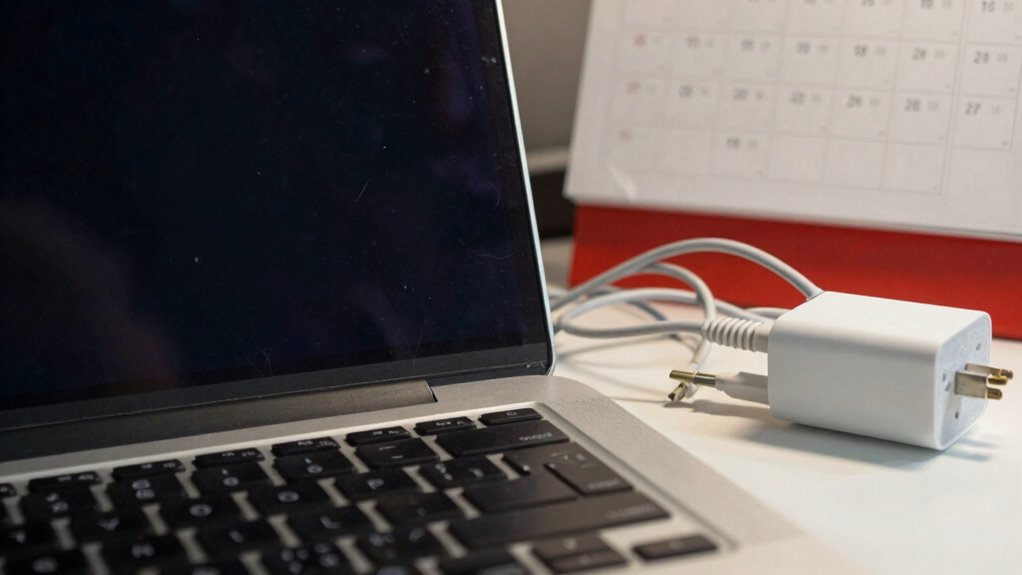

One of the biggest laptop buying mistakes that shows up after six months is focusing only on immediate specs or features. You might get a device that seems perfect now, but neglecting factors like build quality, battery life, and long-term performance can lead to frustration later. Poor ergonomic design or battery issues often become clear over time, affecting your workflow and comfort. If you keep exploring, you’ll discover how to avoid these pitfalls and choose smarter.
Prime for Young Adults — start your free trial
Fast free delivery, streaming and member deals for eligible 18–24 year olds.
As an affiliate, we earn on qualifying purchases.
Key Takeaways
- Overlooking long-term needs can lead to dissatisfaction as the device fails to meet evolving usage demands.
- Ignoring battery performance reviews results in diminished portability and workflow disruptions after several months.
- Choosing a keyboard without testing for comfort can cause fatigue and strain during extended use.
- Failing to research build quality and durability increases the risk of early device breakdowns.
- Neglecting future-proof features or ergonomic factors can cause ongoing inconvenience and frustration over time.

Choosing the wrong laptop can quickly lead to frustration and wasted money. When you make a hasty decision without considering long-term needs, you might find yourself stuck with a device that doesn’t meet your daily demands. One of the biggest mistakes is neglecting to prioritize battery performance. Six months down the line, you may notice that your laptop’s battery drains faster than expected, forcing you to stay tethered to power outlets or carry bulky chargers everywhere. Low battery life can disrupt your workflow, especially if you rely on your laptop for work or study outside of your home or office. It’s essential to look beyond the specs on the box and read reviews about real-world battery longevity.
Choosing the wrong laptop leads to frustration—consider long-term needs like battery life and keyboard comfort before buying.
Similarly, many buyers overlook keyboard comfort, which becomes painfully apparent after hours of use. If you’re someone who spends hours typing, an uncomfortable keyboard can cause fatigue, soreness, or even repetitive strain injuries. When shopping, don’t just focus on the aesthetic or brand reputation; test the keyboard if possible. A keyboard that feels good under your fingers makes a significant difference in productivity and overall user experience. If the keys are stiff, too shallow, or poorly spaced, you might find yourself frustrated every time you sit down to work or browse. Remember, comfort isn’t just a luxury — it’s a necessity for sustained use and efficiency.
Additionally, long-term device performance is often overlooked during the initial purchase but can become a major concern as time goes on. You might realize that your battery life no longer holds up, forcing you to plan your day around power outlets rather than your tasks. Meanwhile, discomfort from an unergonomic keyboard can slow you down and cause discomfort that lingers long after your work session ends. It’s also worth noting that initial research can help you identify brands and models known for better durability and performance, saving you potential headaches later. Conducting thorough research about the build quality and customer feedback can reveal the true longevity of a device, preventing premature breakdowns or issues. Being aware of long-term durability can help you make smarter choices that pay off over time.
These issues can be subtle at first but tend to grow more frustrating over time, revealing the importance of making informed choices from the outset. Ultimately, avoiding these common mistakes requires a bit of research and self-awareness. Consider how much you’ll rely on portability and long stretches of typing. Prioritize battery performance and keyboard comfort during your shopping process. By doing so, you’ll ensure your investment pays off in a device that stays reliable and comfortable long after the initial excitement wears off. Skipping these steps may save you a little time now, but it’ll cost you much more in frustration and discomfort later.
As an affiliate, we earn on qualifying purchases.
Frequently Asked Questions
How Can I Test a Laptop Before Purchasing?
To test a laptop before buying, you should try out its keyboard comfort by typing on it for a few minutes. Check the battery life by asking to see it run unplugged for a while or reviewing the manufacturer’s estimates. Also, open multiple apps to see how it handles multitasking, and inspect the screen for clarity and color accuracy. Don’t hesitate to ask questions about performance and durability before making your decision.
What Warranty Coverage Should I Look For?
You should look for a warranty that offers thorough coverage, including an extended warranty for added protection. Make certain it covers accidental damage, as this is often overlooked but can save you money if spills or drops happen. Check the details on what’s included and the duration of coverage. A good warranty gives you peace of mind, especially if issues arise after the initial purchase period.
Are Refurbished Laptops a Reliable Choice?
Refurbished laptops can be reliable if you consider key reliability factors, like seller reputation and warranty coverage. Address common refurbished concerns, such as potential wear and tear or outdated components, by choosing certified refurbishments from trusted sources. Look for extensive warranties, as they indicate confidence in the device’s quality. If you do your research, refurbished laptops can offer good value without sacrificing reliability, especially for everyday tasks or budget-conscious buyers.
How Important Is Weight for Long-Term Portability?
Weight is vital for long-term portability because a lightweight laptop makes it easier to carry around daily. You’ll appreciate features like a portable battery that extends usage on the go, and an ergonomic design reduces strain during extended use. Prioritizing these aspects means you won’t feel weighed down, and your laptop stays comfortable and convenient, whether commuting or working remotely. It’s all about balancing power with portability for your lifestyle.
What Accessories Should I Buy With My Laptop?
You might think your new laptop is enough, but don’t overlook essential accessories. A sturdy laptop bag protects your device and makes commuting easier, while an external monitor can transform your workspace. These accessories boost productivity and safeguard your investment. Think ahead—investing now in a quality bag and a good monitor guarantees your setup stays efficient and durable, saving you frustration and money long-term.
As an affiliate, we earn on qualifying purchases.
Conclusion
So, next time you’re shopping for a laptop, don’t just focus on specs or price. Think about how you’ll actually use it and whether it’ll fit into your daily routine. Sometimes, rushing into a decision based on short-term needs can backfire months later. Trust me, investing a little extra time now can save you frustration and money down the line. After all, a well-chosen laptop isn’t just a purchase; it’s a long-term partner in your digital life.
As an affiliate, we earn on qualifying purchases.
laptop with long-term performance
As an affiliate, we earn on qualifying purchases.
As an affiliate, we earn on qualifying purchases.
NFL season / tailgating Picks
team gear
As an affiliate, we earn on qualifying purchases.