

When you return a product, the store faces hidden costs like restocking fees, damage assessments, and administrative work. These expenses often lead to higher prices or stricter return policies that affect you as a shopper. Retailers balance offering hassle-free returns with managing their costs, which can influence product quality and pricing. If you want to understand how these unseen costs impact what you pay and store policies, keep exploring this important topic.
Open a free Amazon Business account
Business pricing, bulk buying and tax-exempt orders.
As an affiliate, we earn on qualifying purchases.
Key Takeaways
- Return processes involve costs like restocking, damage assessment, and administration, which increase overall retail expenses.
- Retailers implement policies such as restocking fees to offset hidden costs and maintain profit margins.
- Higher return rates due to product dissatisfaction lead to increased operational costs and higher product prices.
- Stricter return policies can raise prices or reduce flexibility, indirectly shifting costs to consumers.
- The financial burden of returns influences store strategies, product pricing, and customer loyalty management.
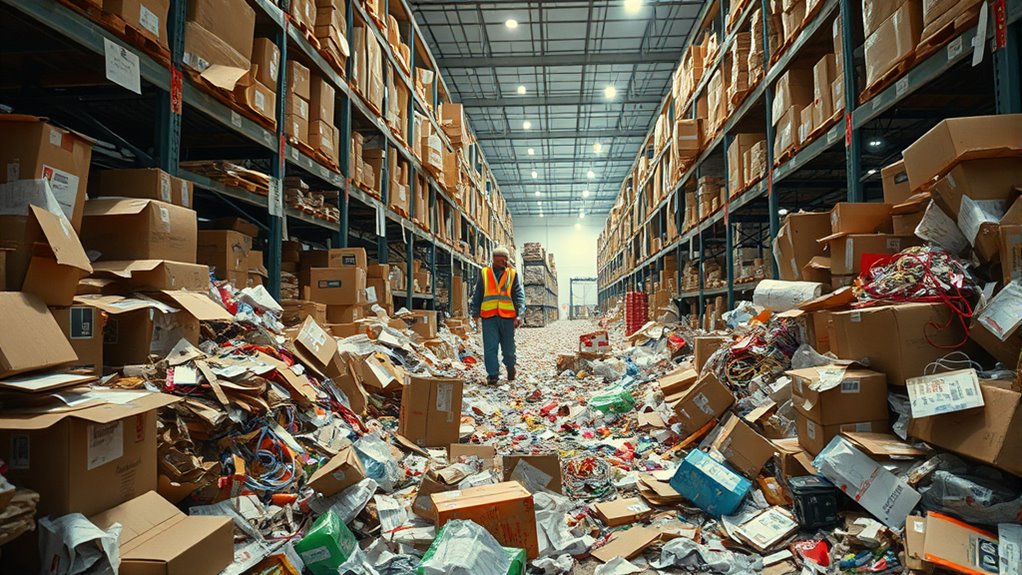
When you return a product, it might seem like the seller simply refunds your money, but the truth is, returns come with hidden costs that often get passed on to consumers in the long run. Retailers have detailed return policies designed to manage the process efficiently, but these policies also serve to protect their bottom line. When you send something back, the store may incur expenses like restocking fees, potential damage assessments, and administrative costs. These costs aren’t just absorbed silently; they influence the company’s pricing strategies and operational procedures. As a result, the expenses associated with returns are often shifted onto all customers through slightly higher prices or less flexible policies.
Return policies are crafted carefully to balance customer satisfaction with profitability. While they may appear generous—free returns or extended windows—they often include fine print or conditions that limit how easy it is to return items. This means that, in practice, many returns end up costing the retailer more than anticipated, encouraging them to tighten their policies or implement restocking fees. These policies can subtly discourage frequent or frivolous returns, which ultimately benefits the store’s financial health. Unfortunately, the impact trickles down to consumers, who often end up paying more for goods or facing stricter return conditions.
Return policies often include fine print that discourages frequent returns, impacting consumer costs and store profitability.
Your willingness to return items influences customer loyalty, but it’s a delicate balance. Retailers want to keep you happy and coming back, which is why many advertise hassle-free return policies. However, behind those promises, the costs of processing returns, managing inventory, and handling refunds remain significant. When a store tightens its return policy, it’s often a response to these hidden costs, even if they don’t explicitly tell you this. They’re trying to minimize losses while still maintaining your loyalty. Conversely, overly lenient policies might seem beneficial at first but can lead to higher prices or less quality control, subtly shifting the financial burden onto all shoppers.
Additionally, the costs associated with returns are influenced by the contrast ratio and image quality of the products, which can affect how frequently items are returned due to dissatisfaction. Understanding that returns aren’t free helps you see the bigger picture. When you send back an item, you’re not just getting your money back—you’re contributing, knowingly or unknowingly, to the operational costs that influence pricing and policies. Retailers aim to strike a balance that keeps customers satisfied but also sustainable for their business. So, the next time you consider a return, remember that your choice affects more than just your wallet; it impacts the overall system that determines how products are priced, how stores manage their inventory, and how they foster customer loyalty.
return restocking fee calculator
As an affiliate, we earn on qualifying purchases.
As an affiliate, we earn on qualifying purchases.
Frequently Asked Questions
How Do Return Costs Vary Across Different Industries?
You’ll notice that return fee structures and industry return rates vary widely across sectors. For example, fashion often has high return rates, leading retailers to charge restocking fees or offer free returns to stay competitive. Electronics might have lower return rates, but shipping costs are higher, increasing overall costs. Understanding these differences helps you anticipate costs and manage expectations when making purchases across industries.
What Are the Environmental Impacts of Product Returns?
Think of product returns as a double-edged sword slicing through the environment. When you send items back, think of the extra packaging and transportation fueling pollution. This often means more electronic waste from discarded devices and non-recyclable packaging. To lessen this impact, you can choose brands with sustainable packaging and avoid unnecessary returns. Your choices can help slow the tide of electronic waste and reduce environmental harm.
How Can Consumers Reduce the Hidden Costs of Returns?
You can reduce the hidden costs of returns by understanding and respecting return policies, avoiding return fraud, and only returning items when necessary. Be honest about why you’re returning and choose products carefully to minimize unnecessary shipments. By doing so, you help lower environmental impacts and avoid additional costs for retailers, creating a more sustainable shopping experience for everyone. Always read and follow store guidelines to keep returns fair and efficient.
Do Return Policies Differ Internationally?
Return policies differ internationally like languages, reflecting diverse customs and regulations. You’ll find that some countries have lenient policies, while others are strict to prevent return fraud. Cultural differences influence these rules—what’s acceptable in one place might be frowned upon elsewhere. As a consumer, you should always check local policies to avoid surprises, knowing that understanding these variations helps you navigate global shopping smarter and avoid unnecessary costs.
What Role Do Third-Party Services Play in Returns Management?
Third-party providers play a vital role in returns management by handling return logistics for you. They streamline the process, saving you time and reducing costs, especially when dealing with international shipments. You rely on their expertise to manage reverse logistics efficiently, ensuring returns are processed smoothly and quickly. Using third-party services minimizes your hassle and helps maintain customer satisfaction, making it a smart choice for businesses seeking effective return management solutions.
return shipping damage assessment tools
As an affiliate, we earn on qualifying purchases.
As an affiliate, we earn on qualifying purchases.
Conclusion
Think of returns like sailing a ship back to port—you might see the horizon as free and easy, but hidden currents and hidden reefs lurk beneath. Each return drags costs through shipping, restocking, and environmental impact, quietly pulling at your wallet and planet. So, before you set sail on that “try and send back” voyage, remember: every journey has its price, often hidden beneath the surface. Navigate wisely, or you’ll find the true cost waiting ashore.
retail store return policy guide
As an affiliate, we earn on qualifying purchases.
As an affiliate, we earn on qualifying purchases.
As an affiliate, we earn on qualifying purchases.
Fall yard work Picks
leaf blowers
As an affiliate, we earn on qualifying purchases.