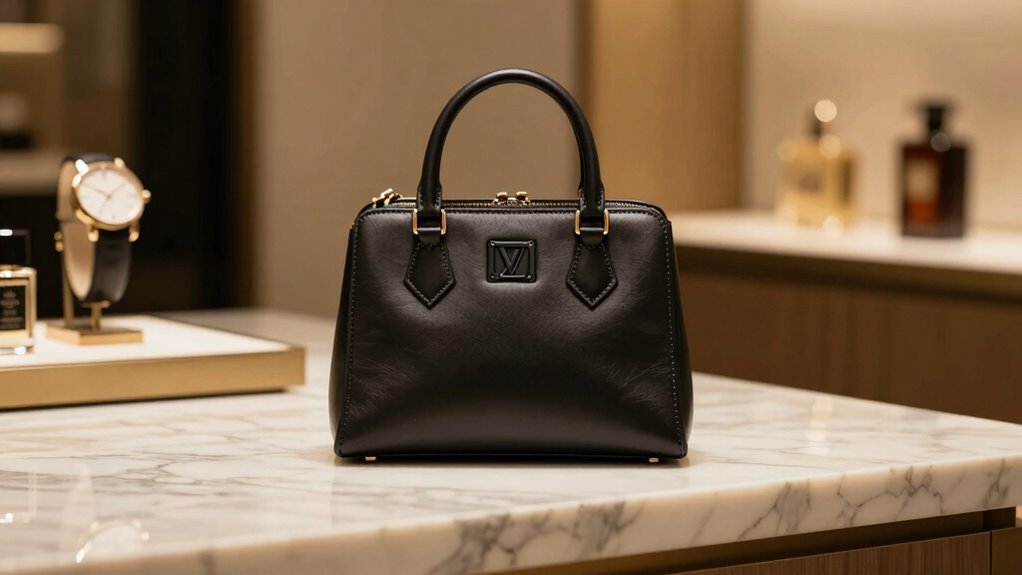

You can spot marketing that sells status instead of utility by paying attention to branding cues. Look for claims of exclusivity, social validation, and luxury symbols rather than practical benefits. Brands often highlight heritage, craftsmanship, and aspirational language like “join the elite” or “stand out,” aiming to boost social perception. If you’re curious how to become more aware of these tactics and make smarter choices, keep exploring these signals further.

Get school and study supplies delivered free — and shop member deals
- Fast, free delivery on millions of items
- Access to Prime Big Deal Days deals on October 6–7
- Prime Video, Amazon Music and more included
Key Takeaways
- Look for marketing emphasis on exclusivity, heritage, and prestige rather than practical features or benefits.
- Notice language that appeals to social status, such as “join the elite” or “stand out,” over functional advantages.
- Check if visual cues and endorsements aim to create luxury illusions rather than demonstrate utility.
- Be skeptical of claims based solely on limited availability or endorsements that evoke social validation.
- Evaluate whether the product’s appeal is rooted in utility or primarily in symbols of status and social recognition.
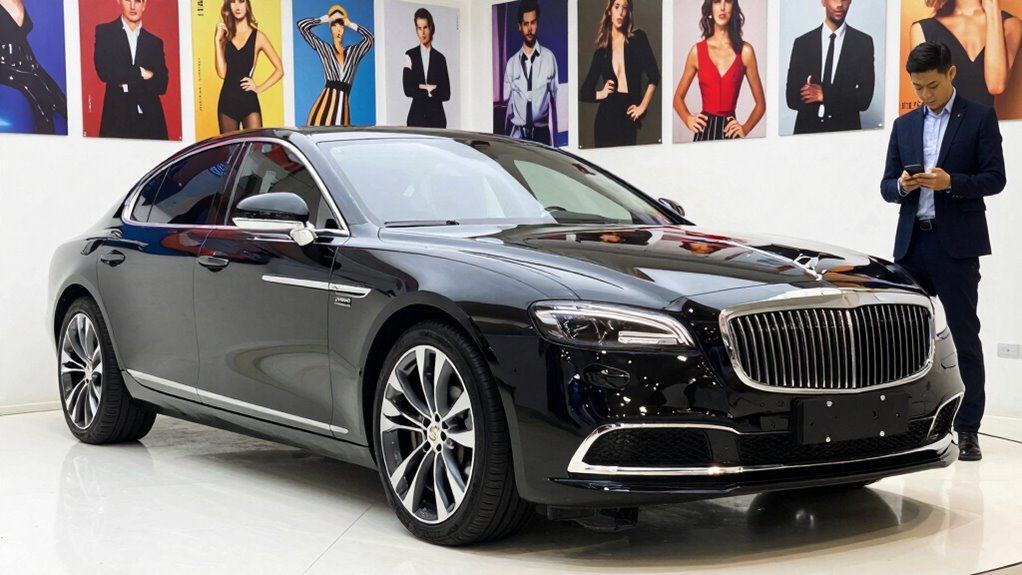
In a world saturated with advertisements, it’s essential to recognize when marketing appeals to your desire for social status rather than genuine utility. Many brands leverage luxury branding to create an aura of exclusivity, making you believe that owning their product will elevate your social standing. They don’t just sell a feature or function; they sell an image — a way to gain social validation from peers. When you see a product marketed with glitzy visuals, high-profile endorsements, or claims of limited availability, it’s often less about the item’s practicality and more about the status it confers. Recognizing these cues helps you separate genuine utility from marketing that’s designed to boost your social image.
Be wary of marketing that emphasizes exclusivity and image over real usefulness.
Luxury branding plays a significant role in this process. These brands often emphasize heritage, craftsmanship, and exclusivity, which appeal to your desire to be perceived as sophisticated or successful. They create an illusion that owning their product signifies a higher social class, regardless of whether the item serves a functional purpose. If a product’s advertising emphasizes prestige and status symbols more than its practical benefits, it’s likely selling social validation. You might find yourself convinced that owning a luxury watch or designer handbag will make you more respected or admired, but in reality, it’s the branding and social perception that’s being sold, not the utility. Additionally, these brands often deploy aspirational marketing techniques that evoke a sense of belonging to an elite group, further reinforcing the focus on status over utility. Being aware of these tactics can help you better evaluate the true value of a product beyond its surface appeal.
It’s also crucial to watch for language that hints at social validation rather than functionality. Phrases like “Join the elite,” “Stand out from the crowd,” or “Be perceived as successful” are common in marketing campaigns that focus on status. They target your desire to belong to a certain social circle, rather than offering a product that genuinely improves your life. When you notice these tactics, ask yourself whether the product’s real value lies in its features or in the image it projects. If the emphasis is on how others will see you, rather than how the product will serve you, it’s probably more about social validation than utility. Recognizing these marketing strategies can help you make more intentional choices and avoid being misled by superficial branding.
Being aware of these marketing strategies empowers you to make more intentional choices. Instead of being swayed by the allure of luxury branding or the promise of social status, focus on what you genuinely need and how the product can add real value to your life. Recognizing when a product is selling status rather than utility helps you avoid unnecessary spending and makes your purchasing decisions more mindful and authentic. Additionally, understanding the importance of biodiversity and sustainable practices can guide you toward brands that prioritize genuine quality over superficial status symbols. Paying attention to consumer values can further help you identify brands that align with your ethics and long-term well-being. Recognizing the influence of marketing tactics that focus on social status allows you to make more informed and authentic choices. Being aware of branding strategies that emphasize heritage and craftsmanship can also help you discern products that genuinely offer quality versus mere perception.
luxury watch with heritage branding
As an affiliate, we earn on qualifying purchases.
As an affiliate, we earn on qualifying purchases.
Frequently Asked Questions
How Can I Differentiate Between Status-Driven and Utility-Driven Marketing?
You can differentiate status-driven from utility-driven marketing by observing the messaging. Luxury branding often emphasizes social validation, showing how products elevate your status rather than offering practical benefits. If ads focus on exclusivity, prestige, or admiration from others, they’re selling status. Conversely, utility-driven marketing highlights tangible benefits and problem-solving features. Recognizing this contrast helps you see whether a brand’s goal is to boost your social standing or provide real value.
What Psychological Triggers Are Used in Status-Focused Marketing?
In status-focused marketing, brands use psychological triggers like scarcity, exclusivity appeal, and social proof to attract you. Luxury branding plays on your desire for prestige, making you believe owning their product signifies high status. The sense of being part of an elite group taps into your need for social validation. These tactics make you crave the product not just for utility but for the status it confers.
Are There Specific Industries More Prone to Selling Status?
Luxury branding and social validation make certain industries, like fashion, jewelry, and high-end automobiles, more prone to selling status. These markets thrive on appealing to your desire for social validation, emphasizing exclusivity and prestige over utility. When you see brands showcasing their luxury status or promoting an elite lifestyle, they’re often tapping into your need for social recognition, making their products more about status than actual utility.
How Does Marketing Influence Consumer Self-Esteem and Identity?
Marketing influences your self-esteem and identity by shaping your brand perception, making you associate certain products with status or desirable qualities. When brands position their products as symbols of success or social standing, you’re encouraged to see these items as integral to your consumer identity. This connection boosts your confidence or status, often leading you to prioritize image over utility, reinforcing the idea that what you own reflects who you are.
Can Status-Oriented Marketing Be Ethical?
Yes, status-oriented marketing can be ethical when it promotes genuine social validation and respects consumer well-being. Think of luxury branding as a torch guiding consumers toward aspirational goals without manipulating their self-esteem. When marketers focus on authentic stories and transparent messaging, they foster a sense of belonging rather than superficial status. This approach honors consumers’ desire for social validation while maintaining integrity and avoiding exploitation.
designer handbag with exclusivity claims
As an affiliate, we earn on qualifying purchases.
As an affiliate, we earn on qualifying purchases.
Conclusion
By now, you can see through the shimmering illusion—marketing often plays the same tune as the sirens, promising status over true utility. Stay vigilant, question the motives behind the glow, and remember that true value isn’t about echoing society’s applause but about what genuinely serves you. Like the Greek hero who sailed past the allure of the sirens, you can navigate the marketing maze with clarity, choosing products that truly elevate your life, not just your image.
prestige jewelry with craftsmanship
As an affiliate, we earn on qualifying purchases.
As an affiliate, we earn on qualifying purchases.
luxury sunglasses with high-profile endorsements
As an affiliate, we earn on qualifying purchases.
As an affiliate, we earn on qualifying purchases.
Halloween Picks
halloween
As an affiliate, we earn on qualifying purchases.