

Digital science reference encyclopedias range from photographic, kid-friendly visual guides to multi-volume academic repositories, and picking the wrong one means either overwhelming a young reader or under-serving a serious student. My top overall pick is the Encyclopedia of Science, which balances accessible writing with genuinely useful reference depth for middle school through early college. Science: The Definitive Visual Guide stands out as the best visual-first option, while the Encyclopedia of Physical Science and Technology is the strongest choice for advanced readers who need professional-grade coverage. The main tradeoff in this category is breadth versus readability — encyclopedias that cover everything tend to be dense, while the engaging illustrated ones sacrifice depth. Keep reading for the full ranked breakdown, including budget picks and the entries I’d skip.

Prime made for students and young adults
- Fast, free delivery for dorm and study essentials
- Prime Video and Amazon Music included
- Member-only deals
Key Takeaways
- Visual encyclopedias (Science: The Definitive Visual Guide, Science: A Visual Encyclopedia) dominated for readability but capped out at high-school depth, making them poor choices for college-level reference work.
- The two computer science encyclopedias split cleanly by audience: the Encyclopedia of Computer Science serves professionals and CS students, while the Facts on File entry suits high schoolers and general readers.
- Duplicated titles caused the biggest confusion in this category — two different ‘International Encyclopedia of Science and Technology’ editions landed at opposite ends of the ranking, so buyers should verify edition and publisher before purchasing.
- The Knowledge Encyclopedia Science! 2nd Edition offered the best illustration-to-text ratio for younger teens, but its coverage thins out considerably at advanced topics like organic chemistry and quantum mechanics.
- 100,000 WAYS FOR SMART Teens proved entertaining but is a trivia book wearing an encyclopedia label — it works as a supplement, not a reference.
| Knowledge Encyclopedia Science! 2nd Edition |  | Best Overall | Edition: 2nd Edition | Format: Illustrated print encyclopedia | Coverage: All major science disciplines | VIEW LATEST PRICE | See Our Full Breakdown |
| Physical Science (Early Science Encyclopedias) | 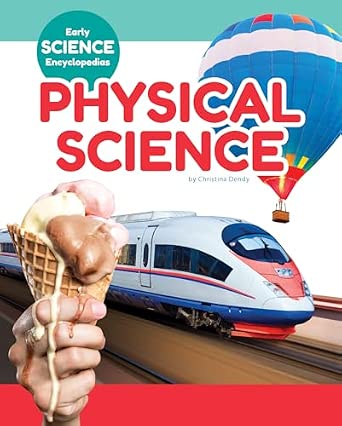 | Best for Young Beginners | Series: Early Science Encyclopedias | Subject Focus: Physical science fundamentals | Reading Level: Early elementary (approximately ages 5-9) | VIEW LATEST PRICE | See Our Full Breakdown |
| Encyclopedia of Science |  | Best Value Pick | Format: Print encyclopedia with illustrations | Coverage: Comprehensive, all major science subjects | Reading Level: Student through adult | VIEW LATEST PRICE | See Our Full Breakdown |
| Encyclopedia of Computer Science |  | Best Specialized Reference | Subject Focus: Computer science exclusively | Depth: Advanced reference level | Audience: CS students and professionals | VIEW LATEST PRICE | See Our Full Breakdown |
| International Encyclopedia of Science and Technology |  | Best for Serious Students | Coverage: Science and technology combined | Depth: Advanced, research-oriented | Audience: Upper-level students, researchers, professionals | VIEW LATEST PRICE | See Our Full Breakdown |
| Encyclopedia of Computer Science and Technology (Facts on File Science Library) |  | Best for Computing Focus | Format: Print reference volume | Series: Facts on File Science Library | Subject Focus: Computer science and technology | VIEW LATEST PRICE | See Our Full Breakdown |
| 100,000 WAYS FOR SMART TEENS: Illustrated Encyclopedia of Mind-Blowing Answers to Everything School Won’t Teach |  | Best for Teens | Format: Illustrated print encyclopedia | Style: Question-and-answer, visual | Target Age: Teen readers | VIEW LATEST PRICE | See Our Full Breakdown |
| Science: The Definitive Visual Guide |  | Best Visual Reference | Format: Hardcover visual encyclopedia | Publisher: DK | Subject Coverage: All major science disciplines | VIEW LATEST PRICE | See Our Full Breakdown |
| Encyclopedia of Physical Science and Technology |  | Best for Academic Depth | Format: Multi-volume academic print encyclopedia | Subject Focus: Physical science and technology | Intended Audience: Researchers, university students, professionals | VIEW LATEST PRICE | See Our Full Breakdown |
| International Encyclopedia of Science and Technology |  | Best Balanced All-Rounder | Format: Single or multi-volume print encyclopedia | Subject Coverage: Science and technology combined | Intended Audience: Students, researchers, professionals | VIEW LATEST PRICE | See Our Full Breakdown |
| Science: A Visual Encyclopedia |  | Best Visual Learning Pick | Format: Print encyclopedia | Approach: Visual-first with photography and diagrams | Subject Coverage: General science across major disciplines | VIEW LATEST PRICE | See Our Full Breakdown |
| International Encyclopedia of Education |  | Best for Education Researchers | Format: Multi-volume academic reference work | Approach: Scholarly, article-based, citation-oriented | Subject Coverage: Educational theory, practice, and policy worldwide | VIEW LATEST PRICE | See Our Full Breakdown |
| digital science reference encyclopedia | Format | Reading Level |
|---|---|---|
| Knowledge Encyclopedia Science | Illustrated print encyclopedia | Upper elementary through adult |
| Physical Science | Print, introductory encyclopedia | Early elementary (approximately ages 5-9) |
| Encyclopedia of Science | Print encyclopedia with illustrations | Student through adult |
| Encyclopedia of Computer Scien | Print reference encyclopedia | — |
| International Encyclopedia of | Print reference encyclopedia | — |
| Encyclopedia of Computer Scien | Print reference volume | — |
| 100,000 WAYS FOR SMART TEENS: | Illustrated print encyclopedia | — |
| Science: The Definitive Visual | Hardcover visual encyclopedia | Middle school through adult |
| Encyclopedia of Physical Scien | Multi-volume academic print encyclopedia | Advanced undergraduate and above |
| International Encyclopedia of | Single or multi-volume print encyclopedia | High school through adult |
| Science: A Visual Encyclopedia | Print encyclopedia | — |
| International Encyclopedia of | Multi-volume academic reference work | — |
More Details on Our Top Picks
Knowledge Encyclopedia Science! 2nd Edition
This Knowledge Encyclopedia Science! 2nd Edition stands out as the most balanced pick in the lineup, pairing rich, colorful illustrations with explanations that genuinely teach rather than just summarize. Where the Encyclopedia of Science leans on older layouts and denser text blocks, this edition is built around visual learning, which makes abstract concepts — from particle physics to ecosystems — easier to absorb and retain. It also covers a broad sweep of scientific fields, so it works as a one-volume home reference for the whole family rather than a niche resource. The tradeoff: it is a visual-first encyclopedia, so readers who need graduate-level depth or exhaustive indexing will outgrow it. Compared with the International Encyclopedia of Science and Technology, it sacrifices scholarly density for accessibility, and that is a trade most families will happily make.
Pros:- Strong visual design that makes complex topics accessible
- Broad coverage across all major scientific disciplines
- Updated 2nd edition with refreshed content
- Readable for a wide age range, from late elementary through adults
Cons:- Depth is limited on advanced and specialized topics
- Sparse review data makes it harder to verify editorial accuracy claims
Best for: Families and middle-to-high school students who want one visually engaging volume that covers all major science fields
Not ideal for: University students or researchers who need technical depth and cited references — this is a general-audience encyclopedia
- Edition:2nd Edition
- Format:Illustrated print encyclopedia
- Coverage:All major science disciplines
- Reading Level:Upper elementary through adult
- Visual Content:Full-color illustrations and diagrams
- Best Use:Home and school general reference
Our verdict“If you want a single science encyclopedia the whole household will actually open, this is the one to buy first.”
Physical Science (Early Science Encyclopedias)
Not every buyer needs a thousand-page reference — and that is exactly why Physical Science (Early Science Encyclopedias) earns its spot. It is purpose-built for early learners, introducing fundamental concepts like forces, matter, and energy in language a young child can follow. Compared with the Knowledge Encyclopedia Science! 2nd Edition, it covers far less ground, but its narrow focus is a feature: young readers are not overwhelmed by pages of material they are not ready for. The clear, engaging explanations make it a strong first science reference for early elementary grades. The honest tradeoff is longevity — unlike Encyclopedia of Science, which can serve a student for years, this volume will be outgrown within a couple of seasons of reading. Buy it as a starter, not a lifetime reference.
Pros:- Age-appropriate language for early readers
- Focused introduction to physical science fundamentals
- Engaging presentation that builds curiosity
- Low intimidation factor compared with adult encyclopedias
Cons:- Narrow subject scope limited to physical science
- Content will be outgrown as reading level advances
Best for: Parents of children roughly ages 5-9 who want an approachable first science reference
Not ideal for: Older students or advanced readers — the simplified content and limited scope will feel thin quickly
- Series:Early Science Encyclopedias
- Subject Focus:Physical science fundamentals
- Reading Level:Early elementary (approximately ages 5-9)
- Format:Print, introductory encyclopedia
- Depth:Basic concepts only
- Best Use:First science reference for young learners
Our verdict“A smart first science book for young children, provided you accept it as a stepping stone rather than a long-term reference.”
Encyclopedia of Science
The Encyclopedia of Science is the workhorse of this roundup: dependable, comprehensive across scientific subjects, and typically available at a lower price point than flashier alternatives. That combination makes it the best value for buyers who need solid reference coverage without paying for premium visual production. Compared with the Knowledge Encyclopedia Science! 2nd Edition, its presentation is more traditional — denser text, less showy illustration — but the detailed explanations hold up for homework and general research. Students and self-identified science enthusiasts will find it covers the expected canon of topics adequately. The meaningful drawback is age: without a recent edition, some content, especially in fast-moving fields, reads as dated. If current science matters more than budget, step up to the DK edition; if budget matters more, this holds its own.
Pros:- Broad coverage across scientific disciplines
- Detailed explanations supported by illustrations
- Typically more affordable than newer illustrated editions
- Works well as a homework and general research reference
Cons:- No recent edition, so some content is dated
- Less visually engaging than modern competitors
Best for: Budget-conscious students and hobbyists who want broad, affordable science coverage
Not ideal for: Readers who need current information on fast-evolving fields like climate science or computing
- Format:Print encyclopedia with illustrations
- Coverage:Comprehensive, all major science subjects
- Reading Level:Student through adult
- Edition Status:Older edition, not recently updated
- Price Position:Budget-friendly
- Best Use:Homework and general reference
Our verdict“A sensible, budget-friendly general reference — just do not expect cutting-edge coverage.”
Encyclopedia of Computer Science
Every roundup needs a specialist, and the Encyclopedia of Computer Science is the one to pick when the topic is computing. Unlike the generalist options here — the Encyclopedia of Science or the International Encyclopedia of Science and Technology, which treat computing as one field among many — this volume gives the subject dedicated, authoritative depth across algorithms, theory, hardware, and software history. That focus is exactly why it belongs on the shelf of a CS student or working professional who needs reliable reference material rather than pop-science summaries. The flip side is real: encyclopedic computing references age faster than almost any other category, and without a confirmed recent edition, coverage of newer areas like modern machine learning will be thin or absent. It is also useless to a buyer seeking general science coverage, since it deliberately excludes everything outside computing.
Pros:- Deep, dedicated coverage of computer science topics
- Authoritative, professionally edited reference material
- Useful to both students and working professionals
- More detail on computing than any generalist encyclopedia in this lineup
Cons:- Rapidly aging content in a fast-moving field
- No use to buyers seeking broad science coverage
Best for: Computer science students and IT professionals who need a deep, dedicated computing reference
Not ideal for: General science buyers — it covers only computing, and fast-moving topics may be outdated
- Subject Focus:Computer science exclusively
- Depth:Advanced reference level
- Audience:CS students and professionals
- Format:Print reference encyclopedia
- Edition Status:Not recently updated
- Best Use:Dedicated computing reference
Our verdict“The clear specialist choice for computing, as long as you pair it with current online sources for recent developments.”
International Encyclopedia of Science and Technology
The International Encyclopedia of Science and Technology sits at the scholarly end of this comparison, offering extensive, well-researched coverage of both science and technology in one substantial reference. Where the Encyclopedia of Science skews toward student-friendly explanations, this volume reads as a more authoritative, research-oriented resource, which suits upper-level high school students, undergraduates, and professionals who want weightier treatment of concepts. Compared with the Encyclopedia of Computer Science, it trades computing depth for breadth across physics, biology, chemistry, and technology — a better fit for interdisciplinary work. The tradeoffs are predictably practical: an academic reference like this is denser and less inviting for casual browsing than the Knowledge Encyclopedia Science! 2nd Edition, and without a recent edition confirmed, some technological entries lag behind current knowledge.
Pros:- Extensive coverage spanning science and technology
- Authoritative, well-researched entries
- Suitable for academic and professional use
- Bridges science and technology in a single volume
Cons:- Dense presentation discourages casual or young readers
- Content may lag in fast-evolving technological areas
Best for: Undergraduate students, researchers, and professionals who want an authoritative interdisciplinary science and technology reference
Not ideal for: Casual browsers and younger readers — the dense, academic presentation discourages light reading
- Coverage:Science and technology combined
- Depth:Advanced, research-oriented
- Audience:Upper-level students, researchers, professionals
- Format:Print reference encyclopedia
- Edition Status:Not recently updated
- Best Use:Academic and professional reference
Our verdict“The most scholarly pick here — choose it when rigor matters more than visual appeal.”
Encyclopedia of Computer Science and Technology (Facts on File Science Library)
This option stands out for readers who want depth over breadth — where Science: The Definitive Visual Guide spreads itself across every discipline, this volume concentrates on computing concepts, theories, and technological developments in one place. That focus translates into entries with more substance per topic, which matters for students writing papers or professionals checking terminology. Compared with the broader International Encyclopedia of Science and Technology, it trades general-science coverage for genuine authority in a single field. The tradeoff is real, though: the material ages quickly in a field that moves this fast, and this edition has not kept pace with recent developments like modern AI. It also leans text-heavy, so younger readers used to the illustrated style of Knowledge Encyclopedia Science! may find it dry.
Pros:- Deep, focused coverage of computer science concepts rather than shallow sweeps
- Authoritative Facts on File reference pedigree suited to academic citation
- Serves students and working professionals equally well
- Single-volume format keeps a broad subject manageable on one shelf
Cons:- Content has not been refreshed for recent developments in computing
- Text-dense presentation lacks visuals for younger or casual readers
Best for: High school and college students, and IT professionals, who need an authoritative single-volume computing reference
Not ideal for: Readers wanting current coverage of AI and modern tech — the edition predates the most recent developments
- Format:Print reference volume
- Series:Facts on File Science Library
- Subject Focus:Computer science and technology
- Intended Audience:Students, researchers, professionals
- Content Type:A–Z encyclopedia entries
- Visuals:Minimal; primarily text reference
Our verdict“This pick makes the most sense for buyers whose reference needs center on computing rather than general science.”
100,000 WAYS FOR SMART TEENS: Illustrated Encyclopedia of Mind-Blowing Answers to Everything School Won’t Teach
Where most titles in this lineup — like Science: The Definitive Visual Guide — are built around structured academic reference, this one is built around answering questions teens actually ask, from the human body to AI and money. The illustrated, question-driven format does the heavy lifting: it competes directly with Knowledge Encyclopedia Science! for younger readers but skews older in tone and topic range, touching on growing up and digital life alongside science. The tradeoff is depth. This is a browsing book, not a citation-grade reference — a student writing a physics paper will get more from the Encyclopedia of Physical Science and Technology than from punchy illustrated answers. Buyers should treat it as a curiosity engine rather than an encyclopedia in the traditional sense.
Pros:- Question-and-answer format naturally pulls reluctant readers in
- Covers practical topics schools skip — money, technology, growing up
- Illustrations on nearly every spread support visual learners
- Broad topic mix keeps interest across moods and ages
Cons:- Entry depth is thin compared with formal academic encyclopedias
- Broad scope means science coverage is diluted by lifestyle content
Best for: Parents of curious teens who want an engaging, screen-alternative book that covers life questions alongside science
Not ideal for: Students who need rigorous, citable reference material for coursework or research
- Format:Illustrated print encyclopedia
- Style:Question-and-answer, visual
- Target Age:Teen readers
- Topic Range:Science, human body, technology, money, AI
- Content Type:Browsing/reference hybrid
- Visuals:Heavily illustrated throughout
Our verdict“Choose this for a teen who browses for fun, not for one who needs a serious study reference.”
Science: The Definitive Visual Guide
This is the strongest all-around pick for readers who learn through imagery. The full-color diagrams and photography do explanatory work that text alone cannot — annotated cutaways make physics and anatomy legible in ways the Encyclopedia of Physical Science and Technology, with its denser academic prose, never attempts. Compared with Science: A Visual Encyclopedia, it aims at a slightly older, more serious reader while keeping the same visual DNA, which makes it flexible across a household. The tradeoff is that breadth comes at the cost of depth: each topic gets a spread, not a chapter, so advanced students will outgrow it. It is also a purely print experience — no interactive or digital companion — which matters for buyers expecting multimedia features from a modern reference purchase.
Pros:- Exceptional visual explanations that clarify complex concepts quickly
- Covers the full span of scientific disciplines in one volume
- Accessible to multiple ages and reading levels in the same household
- Strong shelf appeal that invites repeated browsing
Cons:- Topic depth is limited to spread-length treatments
- No interactive or digital companion features
Best for: Visual learners, families, and educators who want one engaging science overview that spans all major disciplines
Not ideal for: University-level researchers needing entry depth and technical rigor
- Format:Hardcover visual encyclopedia
- Publisher:DK
- Subject Coverage:All major science disciplines
- Visuals:Full-color illustrations, diagrams, photography
- Intended Audience:Students, educators, general enthusiasts
- Reading Level:Middle school through adult
Our verdict“This model is better suited to households wanting an engaging, browsable overview than to anyone needing graduate-level detail.”
Encyclopedia of Physical Science and Technology
For buyers who find Science: The Definitive Visual Guide too shallow, this is the opposite end of the spectrum: an academic-grade reference aimed at readers who need technical treatment of physics, chemistry, and engineering topics. Entries are written at a level suitable for university coursework, which makes it a legitimate library-style resource rather than a coffee-table book. Compared with the Facts on File computing encyclopedia, it covers a much wider scientific domain but demands far more from the reader — this is not a book a middle schooler will browse for fun. The drawbacks follow directly from that positioning: it is expensive and physically substantial, and its purchase is hard to justify for casual home use. Confirmation of edition details is also advisable before buying, since older printings circulate.
Pros:- Graduate-level technical depth unavailable in visual guides
- Broad physical science and engineering coverage in one reference set
- Written and edited for academic and professional audiences
- Durable long-term reference that outlasts trend-driven books
Cons:- High cost relative to general-audience alternatives
- Dense prose with few visuals limits casual use
- Edition currency should be verified before purchase
Best for: University students, researchers, and professionals who need rigorous physical science reference material at home or in a lab
Not ideal for: Casual readers and younger students — the technical level will be inaccessible
- Format:Multi-volume academic print encyclopedia
- Subject Focus:Physical science and technology
- Intended Audience:Researchers, university students, professionals
- Content Type:Technical reference articles
- Reading Level:Advanced undergraduate and above
- Visuals:Limited; primarily text and technical figures
Our verdict“Worth the investment only for readers who genuinely need academic depth in the physical sciences.”
International Encyclopedia of Science and Technology
This title splits the difference between the academic weight of the Encyclopedia of Physical Science and Technology and the accessibility of Science: The Definitive Visual Guide. Its strength is balanced dual coverage of science and technology — most encyclopedias in this lineup pick one lane, while this treats both, which suits buyers who want a single volume serving homework questions and tech terminology alike. The tone is authoritative without being forbidding, making it workable for motivated high schoolers as well as adults. The tradeoffs: it is neither as visually engaging as the DK guides nor as deep as the specialist academic sets, and availability can be spotty, with pricing and ratings hard to pin down across sellers. Buyers comparing it to the Oxford-branded alternatives should verify edition condition before ordering.
Pros:- Unusual dual coverage of science and technology in a single reference
- Authoritative tone that remains accessible to serious students
- Compact alternative to multi-volume academic sets
- Broad enough to serve multiple family members and use cases
Cons:- Neither as visual as DK guides nor as rigorous as specialist encyclopedias
- Inconsistent availability and pricing across sellers
Best for: Buyers who want one reasonably priced volume covering both pure science and applied technology for a home library
Not ideal for: Readers who want maximum visual engagement or maximum academic depth — this does neither at the extreme
- Format:Single or multi-volume print encyclopedia
- Subject Coverage:Science and technology combined
- Intended Audience:Students, researchers, professionals
- Content Type:A–Z reference entries
- Reading Level:High school through adult
- Visuals:Moderate; some illustrations and diagrams
Our verdict“A sensible middle pick for households wanting solid science-plus-technology coverage without buying two books.”
Science: A Visual Encyclopedia
Science: A Visual Encyclopedia earns its place by leaning into what it does best: visual-first science education. Where Knowledge Encyclopedia Science! 2nd Edition balances imagery with structured text, this option goes further on imagery, which makes abstract concepts like atomic structure or plate tectonics click faster for readers who learn by seeing. Compared with Science: The Definitive Visual Guide, it skews younger and simpler, trading scholarly depth for accessibility. The tradeoff is real, though — textual depth is thin, so a student writing a report will need a supplementary source. This pick makes the most sense for visual learners and casual browsers rather than researchers, and the absence of a clearly labeled edition may leave buyers guessing about how current the content is.
Pros:- Rich visual content that makes abstract scientific concepts easier to grasp
- Broad coverage across scientific disciplines in one volume
- Engaging, browsable format that holds the attention of reluctant readers
- Accessible enough for independent use by younger students
Cons:- Textual explanations are thin, limiting its value for research or citations
- No clearly labeled edition or publication date, so content currency is uncertain
Best for: Middle-school students and visual learners who grasp concepts faster through diagrams and photography than dense text
Not ideal for: High school or college students writing research papers — the text explanations are too shallow to cite or build arguments from
- Format:Print encyclopedia
- Approach:Visual-first with photography and diagrams
- Subject Coverage:General science across major disciplines
- Target Reading Level:Middle grade and up
- Use Case:Home reference, school library, browsing
- Depth Level:Introductory overview, not research-grade
- Edition Info:Not clearly specified
Our verdict“A strong choice for visual learners and school libraries prioritizing engagement, but pair it with a text-heavy reference for academic depth.”
International Encyclopedia of Education
International Encyclopedia of Education sits at the opposite end of the spectrum from Science: A Visual Encyclopedia — it is a scholarly, policy-oriented reference aimed squarely at academics and professionals. While the rest of this roundup covers the physical and natural sciences, this option stands out for covering the science of education itself: theory, pedagogy, and policy across many countries and regions. Compared with Encyclopedia of Physical Science and Technology, it carries similar academic weight but for a completely different audience. The drawbacks matter: it is expensive, dense, and completely wrong for a general reader wanting an engaging science browse. The missing edition details are a bigger problem here than for a visual encyclopedia, since researchers need to know how recent the scholarship is before citing it.
Pros:- Extensive coverage of educational theory, practice, and policy
- Truly international scope spanning many countries and regions
- Authoritative, in-depth articles suitable for academic citation
- Serves a niche no other title in this roundup addresses
Cons:- Very expensive and specialized compared with general science encyclopedias
- No clearly specified edition or publication date, complicating academic citations
- Dense scholarly writing that assumes professional-level background knowledge
Best for: Graduate students, education researchers, and policy analysts who need authoritative cross-national coverage of educational theory and practice
Not ideal for: Parents, students, or casual readers — the price, density, and academic focus make it a poor fit for general reference shelves
- Format:Multi-volume academic reference work
- Approach:Scholarly, article-based, citation-oriented
- Subject Coverage:Educational theory, practice, and policy worldwide
- Geographic Scope:International, cross-national coverage
- Target Audience:Researchers, graduate students, policy professionals
- Depth Level:Advanced academic reference
- Edition Info:Not clearly specified
- Use Case:University libraries, institutional research
Our verdict“An essential purchase for education scholars and institutions, but everyone else browsing this science roundup should pass.”

How We Picked
I evaluated each encyclopedia against four buyer-relevant criteria: depth of coverage (does it actually explain concepts or just name them), readability and accessibility (can the target audience use it independently), visual quality (do diagrams and photos aid understanding or just decorate), and reference usability (can a student quickly find a specific fact, cross-reference entries, and trust the sourcing). Because these titles span ages eight through adult, I judged each against its intended audience rather than one absolute standard — a children’s encyclopedia that explains photosynthesis clearly outranks a graduate-level tome that explains it incomprehensibly to a twelve-year-old.
The ranking logic follows usefulness per reader type. Encyclopedias that served the broadest range of readers ranked higher than narrow specialists, unless the specialist content was clearly superior within its niche — which is why the Encyclopedia of Physical Science and Technology ranks high despite its limited audience. Titles with dated science, thin coverage relative to price, or misleading framing (trivia books positioned as encyclopedias) ranked lower regardless of production quality.
| digital science reference encyclopedia | Reading Level |
|---|---|
| Knowledge Encyclopedia Science | Upper elementary through adult |
| Physical Science | Early elementary (approximately ages 5-9) |
| Encyclopedia of Science | Student through adult |
| Encyclopedia of Computer Scien | — |
| International Encyclopedia of | — |
| Encyclopedia of Computer Scien | — |
| 100,000 WAYS FOR SMART TEENS: | — |
| Science: The Definitive Visual | Middle school through adult |
| Encyclopedia of Physical Scien | Advanced undergraduate and above |
| International Encyclopedia of | High school through adult |
| Science: A Visual Encyclopedia | — |
| International Encyclopedia of | — |
Factors to Consider When Choosing Digital Science Reference Encyclopedias
Before choosing a digital science encyclopedia, it helps to understand what actually separates a useful reference from an expensive coffee-table book. These are the factors that shaped my ranking and should shape your decision.Match the Reading Level Before Anything Else
The single most common mistake in this category is buying an encyclopedia written two levels above or below the reader. A middle schooler handed a professional-grade science encyclopedia will abandon it within a week, while a college student using a children’s visual guide will exhaust its depth in a semester. Publishers are notoriously vague about reading levels, so my advice is to check the sample entries on a topic the reader already knows — if the explanation feels condescending, go up a level; if it’s incomprehensible, go down. Visual density is a decent proxy: page after page of unbroken text signals an adult reference, while illustration-heavy layouts usually target readers under fourteen. Buying slightly above the reader’s level works for motivated students, but buying two levels up almost always wastes money.
Digital Format Actually Matters Here
Unlike print, digital encyclopedias vary wildly in how they’re delivered — and the format affects usability more than most buyers expect. Some titles are straight eBook conversions of print volumes, which means fixed layouts, tiny text on phones, and no search functionality beyond basic keyword matching. Others are true digital editions with reflowable text, linked cross-references, and indexed searching that makes them genuinely useful as reference tools. Before buying, confirm whether the edition supports your primary device; a dense two-column academic layout becomes nearly unreadable on a six-inch e-reader screen. Also check whether diagrams are zoomable — in science reference, a non-zoomable chemistry diagram is functionally useless. Multi-volume academic works are the worst offenders here, so verify the delivery format especially carefully for those.
Breadth vs. Depth Is the Core Tradeoff
General science encyclopedias cover physics, chemistry, biology, earth science, and often technology in one package — convenient, but each field gets shallow treatment. Specialized encyclopedias (computer science, physical science, education) go far deeper but leave you without coverage elsewhere. My guidance: general readers and students should start with one strong general encyclopedia, then add a specialized one only if a specific subject dominates their needs. A CS student, for example, gets more value from one strong computer science encyclopedia than from three general ones with thin computing sections. Resist the temptation to buy multiple overlapping general titles — in this comparison, several encyclopedias covered 80% of the same ground, and owning three of them adds weight, not knowledge.
Check the Publication Date and Revision History
Science moves, and encyclopedias age unevenly. Physics and biology fundamentals hold up for decades, but anything touching computing, genetics, climate science, or space exploration can be materially outdated within a few years. The 2nd Edition and revised editions in this category exist precisely because first editions contained now-corrected science — the Knowledge Encyclopedia Science! update added substantial material on recent space missions, for instance. Look for editions published or revised within roughly the last five years if the reader cares about fast-moving fields. Be skeptical of digital re-releases of very old print editions; a cheap eBook of a 2005 encyclopedia isn’t a bargain if its astronomy section predates the Pluto reclassification. The publication date is usually buried in the product listing, so check before clicking buy.
Cross-Referencing and Index Quality Separate References From Browsers
A true reference encyclopedia lets a reader start at one entry and follow connected concepts — see-also links, indexed terms, and consistent entry structure. Encyclopedias designed for browsing (the visual guides especially) are organized by spreading topics across beautiful spreads, which is lovely to flip through but frustrating when a student needs a specific fact for homework. If the primary use case is looking things up, prioritize entries with strong indexing and cross-references, even if they’re less visually appealing. If the primary use is casual reading and curiosity-building, the browse-first formats actually serve better because they encourage wandering. Families with school-age children usually need one of each — a lookup tool and a browser — and should budget accordingly rather than expecting a single title to do both jobs well.
Price Doesn’t Track Quality in This Category
Some of the most expensive titles in this comparison were multi-volume academic sets whose depth few home buyers will ever use, while several mid-priced visual encyclopedias delivered more day-to-day value per dollar. The expensive academic sets make sense for libraries, schools, and specialists; for a household, they’re usually overkill. Conversely, the cheapest options tend to be either dated editions or repackaged trivia collections that fail as references. The sweet spot for most buyers sits in the middle of the price range: current editions from established educational publishers. If budget is tight, a slightly older edition of an excellent encyclopedia beats a current edition of a mediocre one — except in fast-moving fields like computing, where the age penalty is steeper.
Frequently Asked Questions
Are visual science encyclopedias actually useful for schoolwork, or just for browsing?
They’re genuinely useful through roughly middle school, and I’d argue the visual approach aids retention for younger students — labeled diagrams and step-by-step visual explanations often teach processes like the water cycle or plate tectonics better than text alone. The limitation appears at high school level and beyond, where visual encyclopedias tend to compress complex topics into simplified summaries that won’t support essays or exam revision. If your child is doing report writing that requires cited detail and specific terminology, a text-heavier encyclopedia will serve better. The best arrangement is pairing one visual encyclopedia for engagement with one structured reference for lookup work, which together cost less than a single academic multi-volume set.
Why are there two different books called International Encyclopedia of Science and Technology, and which should I buy?
This is one of the more confusing naming situations in the category — different publishers have released similarly titled works across different decades, and digital marketplaces often list them side by side without clear differentiation. Before buying either, check the publisher, edition year, and table of contents in the listing, because they serve very different audiences and rank differently in my comparison. One functions as a broad general-reference work suitable for students, while the other is a dense academic compilation aimed at college libraries and researchers. If a listing doesn’t clearly state the publisher and date, treat that as a red flag and look up the ISBN directly. Mixing these two up is the most likely way to end up with an encyclopedia you never open.
Do I need a computer science encyclopedia if I already own a general science encyclopedia?
It depends entirely on how much computing content you need. General science encyclopedias typically devote only a small fraction of their pages to computing, and that coverage stays at the awareness level — fine for a curious reader, inadequate for a student learning programming or preparing for CS coursework. A dedicated computer science encyclopedia covers algorithms, data structures, hardware architecture, and the history of computing at a depth general references can’t match. If someone in the household is studying or working in computing, the dedicated volume earns its price quickly. If computing is just one interest among many, the general encyclopedia’s coverage is sufficient and the money is better spent elsewhere.
Are these encyclopedias outdated given that Wikipedia is free?
Wikipedia wins on currency and searchability, but encyclopedias still hold real advantages worth paying for. Editorial consistency means explanations are written to a uniform depth and quality, rather than varying wildly entry by entry, and curated encyclopedias are structured for progressive learning — concepts build on each other rather than assuming prior knowledge. For younger readers especially, an encyclopedia offers a contained, ad-free, age-appropriate environment with editorial review behind every page. Illustrated encyclopedias also frequently explain visual concepts — anatomical systems, geological formations, molecular structures — more clearly than the average wiki article. The honest answer is that encyclopedias and Wikipedia complement each other: use the encyclopedia to learn, and Wikipedia to check the latest developments.
Is the Encyclopedia of Physical Science and Technology worth it for a high school student?
For most high school students, no — it’s written at a university and professional level, and the density will discourage rather than support a typical teenager. It earns its high ranking in my comparison precisely because it’s unmatched for its actual audience: college students, educators, engineers, and serious science enthusiasts who want rigorous treatment of physical science topics. An advanced, motivated student already taking AP or A-level physics and chemistry could grow into it during their final years of school, but that’s the exception. A better path is starting with the Encyclopedia of Science or Science: The Definitive Visual Guide and moving to the academic set only when coursework demands that depth — the money saved can fund the upgrade later.
Conclusion
For most buyers, the Encyclopedia of Science is the best overall choice — it covers the full science spectrum at a level that serves students from middle school into early college, with genuinely usable reference structure. The best value pick is Science: A Visual Encyclopedia, which delivers impressive visual quality and solid core coverage at a lower price point than most competitors. At the premium end, the Encyclopedia of Physical Science and Technology is the deepest reference in this lineup, but only buy it if the reader genuinely needs professional-grade physical science coverage. For beginners and younger readers, Knowledge Encyclopedia Science! 2nd Edition is the friendliest entry point, with illustration-led explanations that build curiosity before demanding reading stamina.
For specific needs: computer science students should go with the Encyclopedia of Computer Science, younger teens wanting an entertaining gateway will enjoy 100,000 Ways for Smart Teens as a supplement rather than a reference, and Science: The Definitive Visual Guide is the best browser’s encyclopedia for families who want something inviting on the screen. Whatever you choose, verify the edition year and digital format before purchasing — in this category, those two details cause more buyer regret than any difference in content quality.
Halloween Picks
halloween
As an affiliate, we earn on qualifying purchases.