
Choosing the right educational science reference books can be challenging, as options range from colorful encyclopedias for kids to in-depth guides for serious learners. The Usborne Science Encyclopedia stands out as the best overall, offering a thorough and engaging exploration suitable for a wide age range. For those seeking visual learning, the Knowledge Encyclopedia Human Body provides stunning illustrations, while the Encyclopedia of Science set delivers comprehensive coverage for advanced readers. The main tradeoffs often involve balancing depth versus accessibility and visual appeal versus detailed content. Continue reading to see how these picks compare and find the best fit for your needs.
Key Takeaways
- Depth of content varies widely; choose based on whether the reader needs a broad overview or detailed explanations.
- Visual aids and illustrations significantly enhance engagement, especially for younger audiences.
- Sets of multiple books provide extensive coverage but can be overwhelming or less focused for casual learners.
- Price often correlates with the level of detail and production quality—more expensive options tend to be more comprehensive.
- Most top picks balance accessibility with accuracy, but specialized books excel for more advanced or specific interests.
| The Usborne Science Encyclopedia: An In-depth Guide for Young Scientists Exploring Gravity, Flight, Genes, DNA and More |  | Best Overall Educational Science Reference Book | Number of topics covered: Multiple including gravity, flight, genes, DNA | Number of video clips: Over 180 | Websites included: 1,000 recommended | VIEW LATEST PRICE | See Our Full Breakdown |
| Knowledge Encyclopedia Human Body! Human Anatomy as You’ve Never Seen It Before |  | Best for Visual Learners and All Ages | Number of pages: Various | Illustrations: Extensive, detailed | Target age: 7-14 | VIEW LATEST PRICE | See Our Full Breakdown |
| Encyclopedia of Science (Set of 8 books) |  | Best for In-Depth, Multi-Topic Exploration | Number of books: 8 | Topics covered: Multiple scientific disciplines | Target audience: Students, enthusiasts | VIEW LATEST PRICE | See Our Full Breakdown |
| Everything You Need to Ace Science in One Big Fat Notebook: The Complete Middle School Study Guide |  | Best for Middle School Test Prep | Number of chapters: Multiple | Practice questions: Included | Target age: 11-14 | VIEW LATEST PRICE | See Our Full Breakdown |
| Illustrated Elementary Science Dictionary: An Essential Reference for Kids Ages 7-10 |  | Best for Elementary Science Foundations | Number of entries: Numerous | Illustrations: Colorful and engaging | Target age: 7-10 | VIEW LATEST PRICE | See Our Full Breakdown |
| National Geographic Kids Science Encyclopedia: Atom Smashing, Food Chemistry, Animals, Space, and More! |  | Best Overall for Wide-Ranging Science Discovery | Topic Coverage: Chemistry, Biology, Space, Food Science, and More | Illustrations: Colorful, engaging | Target Age: 8+ | VIEW LATEST PRICE | See Our Full Breakdown |
| The Elements Book: A Visual Periodic Table Encyclopedia for Kids |  | Best Visual Aid for Learning the Periodic Table | Topic Focus: Periodic Table and Elements | Illustrations: Colorful and detailed | Target Age: 9-12 | VIEW LATEST PRICE | See Our Full Breakdown |
| 100000 Whys Kids Science Encyclopedia – Building The Ultimate Brain for Kids, Fun Educational Extracurricular Reading Book for Primary School Students, Develop Scientific Thinking |  | Best for Encouraging Curiosity and Critical Thinking | Number of Questions Answered: Over 100,000 | Target Age: Primary School | Illustrations: Colorful and engaging | VIEW LATEST PRICE | See Our Full Breakdown |
| SuperSimple Biology: The Ultimate Bitesize Study Guide |  | Best for Quick Review and Reinforcement | Content Focus: Key Biology Concepts | Format: Paperback | Pages: Approximately 96 | VIEW LATEST PRICE | See Our Full Breakdown |
| Sciencia: Mathematics, Physics, Chemistry, Biology, and Astronomy for All (Wooden Books, 37) |  | Best Broad Overview for General Audience | Subjects Covered: Mathematics, Physics, Chemistry, Biology, Astronomy | Format: Paperback | Pages: Approximately 160 | VIEW LATEST PRICE | See Our Full Breakdown |
| The Everything Kids’ Science Experiments Book: Boil Ice, Float Water, Measure Gravity | 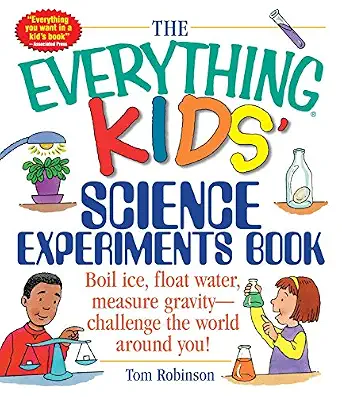 | Best for Hands-On Physical Science Experiments | Target Age Range: 8-12 years | Number of Experiments: Not specified | Format: Printed book | VIEW LATEST PRICE | See Our Full Breakdown |
| Knowledge Encyclopedia: Our Planet Earth (Knowledge Encyclopedia for Children) |  | Best for Visual Learning about Earth’s Geography and Ecosystems | Target Age Range: 7-11 years | Content Scope: Earth geography and ecosystems | Format: Hardcover book | VIEW LATEST PRICE | See Our Full Breakdown |
| Knowledge Encyclopedia – Science (Knowledge Encyclopedia for Children) |  | Best for Broad Scientific Curiosity | Target Age Range: 8-12 years | Number of Topics Covered: Multiple scientific disciplines | Format: Hardcover | VIEW LATEST PRICE | See Our Full Breakdown |
| The Fascinating Science Book for Kids: 500 Amazing Facts! |  | Best for Quick Facts and Curiosity Sparks | Target Age Range: 7-12 years | Number of Facts: 500 | Format: Paperback | VIEW LATEST PRICE | See Our Full Breakdown |
| National Geographic Little Kids First Big Book of Science |  | Best for Early Elementary Curiosity | Target Age Range: 3-7 years | Content Focus: Basic science concepts for early learners | Format: Hardcover | VIEW LATEST PRICE | See Our Full Breakdown |
| educational science reference book | Format | Illustrations | Publisher |
|---|---|---|---|
| The Usborne Science Encycloped | Print with multimedia links | — | — |
| Knowledge Encyclopedia Human B | Hardcover or paperback | Extensive, detailed | DK |
| Encyclopedia of Science | Printed set | Varies, generally detailed | Unknown |
| Everything You Need to Ace Sci | Paperback | — | Workman Publishing |
| Illustrated Elementary Science | Printed dictionary | Colorful and engaging | Arcturus Publishing |
| National Geographic Kids Scien | Hardcover, full-color | Colorful, engaging | — |
| The Elements Book: A Visual Pe | Hardcover | Colorful and detailed | — |
| 100000 Whys Kids Science Encyc | Paperback | Colorful and engaging | — |
| SuperSimple Biology: The Ultim | Paperback | — | — |
| Sciencia: Mathematics | Paperback | — | — |
| The Everything Kids’ Science E | Printed book | — | — |
| Knowledge Encyclopedia: Our Pl | Hardcover book | Colorful, full-page images | DK Children |
| Knowledge Encyclopedia | Hardcover | Colorful, engaging images | DK Children |
| The Fascinating Science Book f | Paperback | — | Adams Media |
| National Geographic Little Kid | Hardcover | Colorful, child-friendly images | National Geographic |
More Details on Our Top Picks
The Usborne Science Encyclopedia: An In-depth Guide for Young Scientists Exploring Gravity, Flight, Genes, DNA and More
This comprehensive encyclopedia stands out for its extensive coverage tailored to young learners eager to explore a wide range of scientific topics, from gravity to DNA. Unlike the Illustrated Elementary Science Dictionary, which simplifies concepts for younger children, this book offers in-depth explanations suitable for curious students ready to deepen their understanding. It integrates multimedia resources like over 180 video clips and 1,000 websites, making it highly interactive—though this focus on multimedia means it lacks detailed technical specifications or a clear publication date, which could be a drawback for those seeking the most current scientific data. Overall, this pick is ideal for learners who prefer a rich, multimedia approach to science education, encouraging independent exploration and curiosity.
Pros:- Extensive coverage of scientific topics suitable for young learners
- Rich multimedia resources including videos and recommended websites
- Encourages curiosity and independent exploration of science
Cons:- Lacks specific price information and customer ratings
- No detailed technical specifications or publication date
Best for: Young learners aged 8-12 seeking a multimedia-rich, broad overview of science topics
Not ideal for: Parents or educators looking for a strictly technical or curriculum-aligned textbook with detailed specifications
- Number of topics covered:Multiple including gravity, flight, genes, DNA
- Number of video clips:Over 180
- Websites included:1,000 recommended
- Intended age range:8-12
- Format:Print with multimedia links
- Author/Publisher:Usborne
Our verdict“This encyclopedia is perfect for young students who thrive with multimedia resources and broad scientific coverage, though it may lack the technical depth some educators desire.”
Knowledge Encyclopedia Human Body! Human Anatomy as You’ve Never Seen It Before
This book excels in presenting detailed human anatomy through stunning visuals and straightforward explanations, making complex biological systems accessible for a broad audience. Compared to the Encyclopedia of Science set, which covers a wide array of topics but with less visual emphasis, this title provides focused, engaging content that appeals especially to visual learners or younger students interested in the human body. However, it doesn’t include technical specifications or recent updates, which might be limiting for those seeking the latest scientific insights. This pick makes the most sense for readers who value vivid imagery and clear explanations over exhaustive technical detail, perfect for sparking interest in biology.
Pros:- Visually engaging and highly informative illustrations
- Suitable for a wide age range, including beginners and curious learners
- Provides clear explanations of complex biological concepts
Cons:- Lacks detailed technical specifications and publication date
- No recent updates or scientific data references
Best for: Ages 10 and up, or anyone interested in detailed, visually engaging anatomy explanations
Not ideal for: Readers seeking technical or curriculum-aligned textbooks with in-depth scientific data
- Number of pages:Various
- Illustrations:Extensive, detailed
- Target age:7-14
- Format:Hardcover or paperback
- Focus:Human anatomy
- Publisher:DK
Our verdict“Ideal for visual learners and young biology enthusiasts who appreciate detailed, stunning imagery over technical jargon.”
Encyclopedia of Science (Set of 8 books)
This set offers broad, detailed coverage across multiple scientific disciplines, making it suitable for dedicated learners and enthusiasts who want a comprehensive resource. Compared with the Knowledge Encyclopedia Human Body, which zooms in on a specific subject, this collection provides a wider scope, though it might lack the visual appeal and accessibility that younger readers or casual learners prefer. Its main drawback is the absence of specific edition or publication details, which could influence its relevance. This set is best for students or hobbyists seeking a multi-volume, detailed exploration of science topics, rather than quick reference or beginner-friendly materials.
Pros:- Extensive coverage of a wide range of scientific topics
- Includes 8 detailed volume-length books
- Suitable for serious students and enthusiasts
Cons:- No specific edition or publication date provided
- Lacks visual engagement and simplified explanations for younger readers
Best for: High school students or science enthusiasts wanting extensive, multi-topic coverage
Not ideal for: Elementary students or casual learners who prefer concise, visually engaging books
- Number of books:8
- Topics covered:Multiple scientific disciplines
- Target audience:Students, enthusiasts
- Format:Printed set
- Illustrations:Varies, generally detailed
- Publisher:Unknown
Our verdict“This multi-volume collection is best suited for committed learners seeking a broad and detailed science reference, though it may feel overwhelming for casual or younger readers.”
Everything You Need to Ace Science in One Big Fat Notebook: The Complete Middle School Study Guide
This guide excels in making middle school science accessible and engaging, combining clear explanations with practice questions to reinforce learning. Compared with the Illustrated Elementary Science Dictionary, which targets younger children, this book provides a more structured review suitable for students preparing for assessments. However, its thoroughness can be a double-edged sword: some students may find it too detailed or overwhelming for quick review purposes. It lacks digital or interactive components, which could be a drawback for tech-savvy learners. This pick is ideal for middle school students needing a comprehensive, exam-oriented review that balances clarity with depth.
Pros:- Comprehensive coverage of middle school science topics
- Clear, engaging explanations suitable for exam prep
- Includes practice questions for reinforcement
Cons:- May be too detailed for students seeking quick review
- No interactive or digital features included
Best for: Middle school students preparing for science tests or needing structured review
Not ideal for: Elementary students or those seeking quick, superficial overviews
- Number of chapters:Multiple
- Practice questions:Included
- Target age:11-14
- Format:Paperback
- Focus:Middle school science curriculum
- Publisher:Workman Publishing
Our verdict“This study guide is perfect for middle schoolers aiming for thorough understanding and exam success in science, though it may be too dense for casual review.”
Illustrated Elementary Science Dictionary: An Essential Reference for Kids Ages 7-10
This dictionary offers age-appropriate definitions and engaging illustrations that help young children understand basic science concepts. Compared with the Encyclopedia of Science set, which provides in-depth explanations across many topics, this dictionary is streamlined for elementary learners, making it easier to grasp foundational ideas. Its main tradeoff is that it covers only elementary science topics, lacking the breadth needed for older or more advanced students. The absence of interactive features or digital content might limit its appeal to today’s tech-oriented kids. Overall, this dictionary makes the most sense for early elementary students building their confidence in science, rather than for those seeking comprehensive or advanced resources.
Pros:- Age-appropriate, clear definitions
- Engaging illustrations that aid understanding
- Builds confidence in elementary science concepts
Cons:- Limited to elementary science topics
- No interactive or digital features
Best for: Children aged 7-10 beginning their science education and needing simple, illustrated explanations
Not ideal for: Older students or learners seeking in-depth, technical science knowledge
- Number of entries:Numerous
- Illustrations:Colorful and engaging
- Target age:7-10
- Format:Printed dictionary
- Coverage:Basic science concepts
- Publisher:Arcturus Publishing
Our verdict“This dictionary is ideal for young children starting their science journey, offering simple explanations and engaging visuals, but not suited for advanced learners.”
National Geographic Kids Science Encyclopedia: Atom Smashing, Food Chemistry, Animals, Space, and More!
This encyclopedia stands out for its broad coverage across multiple scientific fields, making it ideal for curious kids eager to explore everything from space to food chemistry. Compared with the SuperSimple Biology guide, this book dives into a wider array of topics, though it may be too dense for very young children or beginners. Its engaging, colorful illustrations help translate complex ideas into accessible concepts, fostering a love of science early on. However, the lack of a structured curriculum or activity components means it’s best used as a supplementary resource rather than a stand-alone teaching tool. Overall, this pick makes the most sense for parents and educators seeking a comprehensive, visually stimulating introduction to science for children aged 8 and up.
Pros:- Wide-ranging coverage across many scientific disciplines
- Colorful illustrations enhance engagement and understanding
- Suitable for children with a budding interest in multiple sciences
Cons:- Content may be too advanced or dense for early elementary students
- Lacks interactive elements or activities to reinforce learning
Best for: Children aged 8-12 who want a broad, colorful overview of multiple sciences to spark curiosity.
Not ideal for: Very young children or beginners who need simpler language and fewer concepts at once, as the content may feel overwhelming.
- Topic Coverage:Chemistry, Biology, Space, Food Science, and More
- Illustrations:Colorful, engaging
- Target Age:8+
- Format:Hardcover, full-color
- Pages:Approximately 192
- Language:English
Our verdict“This encyclopedia is best suited for older children eager for a comprehensive and visually rich science resource.”
The Elements Book: A Visual Periodic Table Encyclopedia for Kids
This book excels at making the periodic table accessible through vibrant illustrations and straightforward explanations, making it ideal for young learners new to chemistry. In comparison to the National Geographic Kids Science Encyclopedia, which offers a broad introduction, The Elements Book zooms in on chemistry, providing detailed visualizations that help kids grasp the structure and properties of elements. Its colorful format makes complex concepts more digestible, but it sacrifices depth—lacking detailed scientific explanations that more advanced students might seek. This makes it perfect for middle-grade students or beginners who learn best through visuals and need a solid foundation, rather than a deep dive into advanced chemistry.
Pros:- Highly visual and colorful layout enhances learning
- Provides a comprehensive overview of the periodic table
- Accessible language suited for children new to chemistry
Cons:- Limited depth—may not satisfy advanced learners
- Lacks detailed scientific explanations for complex concepts
Best for: Kids aged 9-12 beginning to explore chemistry or visual learners who benefit from colorful diagrams.
Not ideal for: Older students or those seeking in-depth scientific analysis, as the explanations remain basic and introductory.
- Topic Focus:Periodic Table and Elements
- Illustrations:Colorful and detailed
- Target Age:9-12
- Format:Hardcover
- Pages:Approximately 144
- Language:English
Our verdict“This book is ideal for visual learners and beginners who want an engaging, straightforward introduction to the periodic table.”
100000 Whys Kids Science Encyclopedia – Building The Ultimate Brain for Kids, Fun Educational Extracurricular Reading Book for Primary School Students, Develop Scientific Thinking
This encyclopedia excels at answering children’s questions about space, animals, and dinosaurs, making it a compelling choice for primary school learners who love to ask “why” and “how.” Compared with the SuperSimple Biology guide, which offers bite-sized summaries, this book emphasizes curiosity-driven learning through colorful illustrations and engaging explanations. Its focus on developing scientific thinking makes it suitable for children who enjoy exploring questions deeply rather than just memorizing facts. However, the content is relatively basic, limiting its usefulness for older or more advanced students. It lacks interactive features, so it functions best as a supplementary curiosity resource or gift to inspire young thinkers.
Pros:- Engaging, colorful illustrations stimulate interest
- Encourages curiosity and critical thinking skills
- Great as an educational gift for young explorers
Cons:- Content may be too basic for older or advanced students
- Limited depth on scientific topics
- No digital or interactive features included
Best for: Primary school children who thrive on answering questions and exploring science topics in a fun, accessible way.
Not ideal for: Older students or those seeking detailed scientific explanations or interactive learning tools.
- Number of Questions Answered:Over 100,000
- Target Age:Primary School
- Illustrations:Colorful and engaging
- Format:Paperback
- Weight:11.7 ounces
- Dimensions:9.37 x 6.69 x 0.47 inches
Our verdict“This book is perfect for young children who love asking questions and want a fun, curiosity-driven science resource.”
SuperSimple Biology: The Ultimate Bitesize Study Guide
This guide offers concise summaries of core biology concepts, making it ideal for students who need a quick refresher or supplementary review. Its bite-sized lessons are easy to digest, standing out against more detailed textbooks like the National Geographic Kids encyclopedia, which covers a broader range of topics with more depth. The simplicity of the explanations, however, means it isn’t suitable for those seeking comprehensive or advanced understanding. It also doesn’t include practice questions, limiting its use to review rather than active learning. Overall, this pick is best for students needing a quick, clear summary of biology essentials rather than in-depth study or hands-on activities.
Pros:- Concise and clear summaries improve retention
- Easy to read and perfect for quick reviews
- Focuses on key concepts without overwhelming detail
Cons:- Lacks practice questions or exercises for active learning
- Limited depth—may not satisfy advanced students
Best for: Middle school students or high schoolers preparing for exams who want a quick, easy review of biology concepts.
Not ideal for: Students requiring detailed explanations, practice questions, or advanced biology content.
- Content Focus:Key Biology Concepts
- Format:Paperback
- Pages:Approximately 96
- Target Age:12+
- Language:English
- Difficulty Level:Basic to Intermediate
Our verdict“This study guide is ideal for quick, straightforward biology reviews and last-minute exam prep.”
Sciencia: Mathematics, Physics, Chemistry, Biology, and Astronomy for All (Wooden Books, 37)
This book offers an accessible, overview-level introduction to multiple sciences, making it suitable for a general audience or beginners who want a taste of various fields without deep technical detail. Unlike the focused depth of the National Geographic Kids encyclopedia, Sciencia covers five major sciences in a compact format, which makes it less suitable for learners seeking detailed explanations. Its simple language and broad scope make it perfect for casual readers or those just starting out, but it leaves out the specifics needed for more advanced study. If you’re looking for a stepping stone into science that’s easy to carry and understand, this is a solid choice, but it won’t serve as a comprehensive resource for serious learners.
Pros:- Accessible language suitable for all ages
- Covers five major sciences in one concise volume
- Portable and easy to handle
Cons:- Lacks depth necessary for advanced study
- No detailed explanations or exercises included
Best for: Beginner or casual science enthusiasts interested in a quick, general overview of multiple scientific disciplines.
Not ideal for: Advanced students or those seeking detailed, technical explanations of scientific concepts.
- Subjects Covered:Mathematics, Physics, Chemistry, Biology, Astronomy
- Format:Paperback
- Pages:Approximately 160
- Target Audience:General readers, beginners
- Language:English
- Size:Small, portable
Our verdict“This book is best for casual readers or complete beginners who want a broad, quick introduction to science without technical complexity.”
The Everything Kids’ Science Experiments Book: Boil Ice, Float Water, Measure Gravity
This book stands out for its engaging, hands-on approach to teaching basic physical phenomena through experiments like boiling ice and floating water. Compared to the Knowledge Encyclopedia: Our Planet Earth, which offers more static facts and illustrations, this book emphasizes active learning that can make science tangible for kids. The main tradeoff is that it lacks detailed instructions or a clear number of experiments, which might leave parents or educators needing to supplement. It’s ideal for children who thrive on activity-based learning and enjoy experimenting outdoors or at home, but less suitable for those seeking comprehensive scientific explanations or structured curricula.
Pros:- Encourages physical, hands-on learning with simple experiments
- Makes abstract concepts like gravity tangible for children
- Part of a popular series that many young learners enjoy
Cons:- Lacks detailed instructions or a set number of experiments
- Requires adult supervision and additional materials
Best for: Parents and educators seeking engaging, activity-based science lessons for children aged 8-12
Not ideal for: Children who prefer detailed scientific reading or structured lessons without hands-on components
- Target Age Range:8-12 years
- Number of Experiments:Not specified
- Format:Printed book
- Series:The Everything® Kids Series
- Content Focus:Physical phenomena experiments
- Author/Publisher:Adams Media
Our verdict“This book is perfect for kids who learn best through active participation in physical science experiments.”
Knowledge Encyclopedia: Our Planet Earth (Knowledge Encyclopedia for Children)
This encyclopedia excels at providing colorful illustrations and comprehensive facts about Earth’s geography, ecosystems, and natural phenomena, making it ideal for visual learners. Unlike the Knowledge Encyclopedia – Science, which covers a broad range of scientific topics, this volume narrows focus to Earth, offering more depth in that area. However, it offers limited content suited for older children or those seeking advanced scientific insights. It’s best for young readers who are just beginning to explore Earth sciences and love vibrant visuals, but less suited for children craving more complex scientific explanations or interactive features.
Pros:- Bright, colorful illustrations that captivate young readers
- Broad coverage of Earth’s features and ecosystems
- Accessible language for early learners
Cons:- Limited depth for advanced or older students
- No detailed technical specifications or in-depth scientific data
Best for: Elementary school students aged 7-11 interested in learning about Earth’s natural world through vivid images
Not ideal for: Older children or students needing detailed scientific analysis beyond basic facts
- Target Age Range:7-11 years
- Content Scope:Earth geography and ecosystems
- Format:Hardcover book
- Illustrations:Colorful, full-page images
- Publisher:DK Children
- Number of Pages:64
Our verdict“This encyclopedia is ideal for young children beginning their exploration of Earth’s wonders through engaging visuals.”
Knowledge Encyclopedia – Science (Knowledge Encyclopedia for Children)
This encyclopedia offers a wide-ranging overview of various scientific disciplines, making it suitable for children curious about multiple fields of science. Unlike the Our Planet Earth volume, which is narrowly focused, this book covers topics from physics to biology, supported by colorful illustrations that simplify complex ideas. Its main limit is the absence of detailed specifications or reviews, which can make assessing its depth difficult. It’s best for early learners who want a broad but accessible introduction to science, but less ideal for those seeking in-depth explanations or advanced content.
Pros:- Wide coverage of science topics in one volume
- Colorful illustrations aid understanding and engagement
- Easy-to-understand explanations suitable for beginners
Cons:- Lacks detailed specifications and in-depth content
- No available customer reviews or ratings to gauge quality
Best for: Children aged 8-12 with a broad interest in multiple science topics
Not ideal for: Older students or those needing detailed, technical scientific content
- Target Age Range:8-12 years
- Number of Topics Covered:Multiple scientific disciplines
- Format:Hardcover
- Illustrations:Colorful, engaging images
- Publisher:DK Children
- Pages:80
Our verdict“This encyclopedia suits young learners seeking a colorful, broad overview of science fundamentals.”
The Fascinating Science Book for Kids: 500 Amazing Facts!
This book appeals to children who love rapid-fire facts, making science feel fun and approachable. While it’s packed with 500 intriguing snippets, it doesn’t provide detailed explanations or visuals that can deepen understanding, unlike comprehensive encyclopedias. Its brevity and focus on facts make it less suitable for children seeking structured learning or in-depth content, but excellent for quick curiosity boosts or as a supplement to more detailed resources. It’s best for kids who enjoy trivia and want to impress friends with interesting science tidbits but less fitting for those seeking thorough educational material.
Pros:- Contains 500 fascinating science facts to fascinate kids
- Engages children with bite-sized, easy-to-digest information
- Perfect for quick learning and curiosity stimulation
Cons:- Lacks detailed content, visuals, or age recommendations
- No in-depth explanations or scientific context provided
Best for: Kids aged 7-12 who enjoy quick facts and trivia to stimulate curiosity
Not ideal for: Children needing detailed scientific explanations or visual learning aids
- Target Age Range:7-12 years
- Number of Facts:500
- Format:Paperback
- Focus:Science facts and trivia
- Publisher:Adams Media
- Pages:192
Our verdict“This fact-filled book is ideal for quick bursts of curiosity but not for in-depth science learning.”
National Geographic Little Kids First Big Book of Science
This book introduces very young children to science concepts through colorful images and simple facts, making it excellent for early elementary learners. Compared to the Knowledge Encyclopedia: Our Planet Earth, which targets slightly older children with more detailed content, this volume is more about sparking initial curiosity. Its main limitation is the lack of detailed scientific information or interactive features, which could limit engagement for slightly older kids seeking deeper understanding. It’s ideal for preschoolers and early elementary students who need visually appealing, easy-to-understand science content, but not suited for older children or those looking for detailed explanations.
Pros:- Bright, colorful illustrations that attract young children
- Simple facts that are easy for early learners to grasp
- Encourages early curiosity about science
Cons:- Limited scientific depth suitable only for early elementary
- No interactive or digital features to enhance engagement
Best for: Parents of children aged 3-7 seeking an engaging, visually rich introduction to science
Not ideal for: Older children or those requiring more in-depth scientific content
- Target Age Range:3-7 years
- Content Focus:Basic science concepts for early learners
- Format:Hardcover
- Illustrations:Colorful, child-friendly images
- Pages:64
- Publisher:National Geographic
Our verdict“This book is perfect for very young children just starting to explore science through vibrant visuals and simple facts.”

How We Picked
Our evaluation focused on factors such as content accuracy, age appropriateness, visual quality, and overall usability. We prioritized books that offer clear explanations, engaging visuals, and durable formats suitable for repeated use. To ensure relevance, we included a range of options from beginner-friendly guides to comprehensive encyclopedias for older students or enthusiasts. Each book was assessed for how well it balances educational value with engaging presentation, and we favored titles that are highly recommended by educators and reviewers. This approach resulted in a curated list that caters to diverse learning styles and needs, with rankings reflecting overall quality, versatility, and value.
Factors to Consider When Choosing Educational Science Reference Books
When selecting an educational science reference book, understanding your specific needs and context is key. Not all books serve the same purpose—some are perfect for young children, while others suit high school or adult learners. Beyond content, consider how the book’s presentation, depth, and usability align with your or your child’s learning style. Making a thoughtful choice helps maximize engagement and educational benefit, preventing common pitfalls like overbuying overly complex texts or settling for superficial content.
Age and Reading Level
Choosing a book that matches the learner’s age ensures the content is neither too simplistic nor too overwhelming. For young children, colorful illustrations and simple language foster curiosity, while older students benefit from detailed explanations and technical terminology. Be cautious of books that try to be all things; selecting age-appropriate materials enhances comprehension and keeps motivation high.
Content Depth and Scope
Assess whether the book covers broad topics broadly or provides in-depth analysis of specific areas. For casual learners or beginners, a general overview with engaging visuals works best. Advanced students or enthusiasts may prefer comprehensive encyclopedias that delve into complex concepts. Striking the right balance helps avoid frustration or superficial understanding, depending on your goals.
Visuals and Illustrations
High-quality visuals can make complex ideas more accessible, especially for visual learners or younger audiences. Consider books with clear diagrams, photographs, and infographics that complement the text. Be aware that highly visual books might sacrifice some depth for simplicity, so match your choice to your educational objectives.
Format and Durability
Durability matters if the book will be used frequently by children or in classroom settings. Hardcover editions or sturdy binding tend to last longer. Additionally, consider whether a digital version or interactive features could add value, especially for tech-savvy learners. The format should support the learner’s environment and usage habits.
Price and Value
Higher price tags often reflect more extensive content, higher production quality, or brand reputation. Decide whether the investment aligns with your educational needs—sometimes a less expensive, focused guide may suit casual learners better than costly encyclopedias. Conversely, if comprehensive coverage is a priority, investing in a premium set could be worthwhile.
Frequently Asked Questions
Are these books suitable for homeschooling?
Many of the books listed are excellent for homeschooling because they combine engaging visuals with accurate information, making complex topics accessible for self-study or guided lessons. However, the suitability depends on the learner’s age and your curriculum goals. For younger children, titles with lots of illustrations and simple language work well, while older students may benefit from more detailed encyclopedias. Always review the content to ensure it aligns with your educational standards.
Should I buy a set of books or a single comprehensive guide?
Deciding between a set or a single book depends on your learning objectives and budget. Sets like the ‘Encyclopedia of Science’ offer extensive coverage, which is great for in-depth study but can be overwhelming for casual learners. Single guides or encyclopedias often focus on specific topics or age groups, making them more manageable and targeted. Consider your or your child’s familiarity with science and how much depth is needed before investing.
Are digital or interactive science books better options?
Digital and interactive books can enhance engagement through animations, quizzes, and clickable diagrams, which are especially useful for tech-oriented learners. They also often include search functions and updates that print books can’t match. However, physical books provide a tactile experience that some learners prefer, and they don’t require screens or batteries. The choice depends on the learner’s preferences and how the material will be integrated into their study routine.
How can I tell if a science book is accurate and up-to-date?
Look for books published by reputable publishers or authored by recognized experts in science education. Check for recent publication dates to ensure the information reflects current scientific understanding. Reviews and recommendations from educators and scientists can also serve as good indicators of credibility. Avoid overly outdated titles, as science evolves rapidly, and ensure the content aligns with current standards and discoveries.
Is it better to focus on one science subject or get a general overview?
If your goal is a broad understanding of science, a general overview covering multiple disciplines can be very effective. It helps build foundational knowledge that can be expanded later. Conversely, if you or your learner have a specific interest—such as biology or physics—focusing on specialized books can deepen understanding. Combining both approaches often works best: start broad and then explore areas of particular interest in more detail.
Conclusion
For general audiences seeking a balance of engaging visuals and comprehensive content, the Usborne Science Encyclopedia remains the best overall choice. Budget-conscious buyers or casual learners will appreciate the Big Fat Notebook Science Guide for its clarity and accessibility. Parents or educators seeking premium, detailed volumes might opt for the Encyclopedia of Science set, while beginners or younger children should consider books with lots of illustrations such as the National Geographic Kids Science Encyclopedia. Ultimately, selecting the right book depends on the learner’s age, interest level, and educational goals—use these insights to find the perfect fit.