Choosing the right science puzzle can transform playtime into a meaningful learning experience. This year, I focused on puzzles that combine engaging visuals with educational value and durability. The Plant Anatomy Science Puzzle Set from Mudpuppy stands out for its vibrant plant illustrations and fun facts, making it ideal for young children interested in botany. The Solar System Puzzle for Kids offers a space-themed adventure, perfect for budding astronomers, though its size might challenge younger users. For comprehensive life cycle learning, the Junior Learning Life Cycle Science Puzzles provide multiple topics with self-correcting pieces, though they may be simpler for older children. Each of these picks balances educational content with playability, but tradeoffs include theme limitations and age range suitability.
Listen free for 30 days with Audible
Thousands of audiobooks and originals — cancel anytime.
Start your free trialAs an affiliate, we earn on qualifying purchases.
Key Takeaways
- The best puzzles combine vibrant visuals with factual learning to keep children engaged.
- Size and complexity vary, so selecting age-appropriate puzzles prevents frustration.
- Thematic focus influences appeal; space, plants, or ecosystems suit different interests.
- Durability and safety certifications ensure longevity and child safety.
- Including supplementary materials like posters enhances the educational value.
| Plant Anatomy Science Puzzle Set from Mudpuppy |  | Best for Young Beginners Exploring Botany | Set Includes: Three 100-piece puzzles | Ages: 6+ | Puzzle Size: 8.5 x 15 inches | VIEW LATEST PRICE | See Our Full Breakdown |
| 100 Piece Solar System Puzzle for Kids Ages 6-10 |  | Best for Space Enthusiasts | Number of Pieces: 100 | Dimensions: 16×11 inches | Material: Recycled board | VIEW LATEST PRICE | See Our Full Breakdown |
| Junior Learning Life Cycle Science Puzzles |  | Best for Early Life Cycle Learning | Set Includes: 5 puzzles, 27 pieces | Ages: 4+ | Theme: Life cycle of living things | VIEW LATEST PRICE | See Our Full Breakdown |
| Solar System Space Kids Jigsaw Puzzle – 100 Pieces Educational Toy for Ages 4-8 |  | Best for Young Space Learners | Number of Pieces: 100 | Puzzle Size: 16.2 x 11.3 inches | Recommended Age: 4-8 years | VIEW LATEST PRICE | See Our Full Breakdown |
| The Wondrous Workings of Planet Earth Puzzle |  | Best for Ecosystem Enthusiasts and Adults | Piece Count: 500 | Includes: Poster | Target Audience: Adults and kids | VIEW LATEST PRICE | See Our Full Breakdown |
| educational science puzzle | Material | Includes |
|---|---|---|
| Plant Anatomy Science Puzzle S | Thick and sturdy cardboard | — |
| 100 Piece Solar System Puzzle | Recycled board | Puzzle, poster, gift box |
| Junior Learning Life Cycle Sci | Cardboard | — |
| Solar System Space Kids Jigsaw | Sturdy cardboard | Planet names |
| The Wondrous Workings of Plane | Quality cardboard | Poster |
More Details on Our Top Picks
Plant Anatomy Science Puzzle Set from Mudpuppy
This set excels at combining vibrant illustrations and educational facts about different plants, making it ideal for children aged 6 and up. The three 100-piece puzzles are sturdy and easy to handle, encouraging hands-on learning and creative play. Compared with space-themed puzzles, it offers a narrower focus, which is perfect for young children who love plants but less appealing for those interested in space or ecosystems. The main tradeoff is its limited theme scope and size—some children might find the puzzle pieces small. Overall, it’s a strong choice for early plant enthusiasts seeking a screen-free activity.
Pros:- Bright, detailed illustrations of plants
- Includes science facts for educational reinforcement
- Sturdy, easy-to-handle pieces
- Encourages creative and educational play
Cons:- Limited to plant themes only
- Puzzle size may be small for some children
- Suitable only for ages 6+
Best for: Children aged 6+ interested in plants and nature
Not ideal for: Kids seeking a broader science theme or older children needing more challenging puzzles
- Set Includes:Three 100-piece puzzles
- Ages:6+
- Puzzle Size:8.5 x 15 inches
- Box Dimensions:9.25 x 7 x 2 inches
- Material:Thick and sturdy cardboard
- Safety Certifications:CPSIA, ASTM, CE
Our verdict“A delightful choice for young children beginning their exploration of plant science, with excellent educational content but limited theme variety.”
100 Piece Solar System Puzzle for Kids Ages 6-10
This puzzle captures the wonder of the solar system with high-quality, durable pieces and a full-size poster for reference. Designed for children aged 6 to 10, it offers a fun way to learn planet names and basic space facts. Its seamless fit and precision-cut pieces make assembly smooth, but the limited theme—space—might not hold the interest of children who prefer other sciences. The puzzle’s moderate size is manageable, but some younger children may find the complexity slightly challenging. Compared to simpler puzzles, this one offers more detail, but it might require guidance for complete beginners. Overall, it’s a solid pick for space-curious kids who want a visually engaging, educational activity.
Pros:- Educational and fun for space lovers
- Includes a reference poster
- Durable, non-toxic materials
- Precision-cut pieces for seamless assembly
Cons:- Limited to space theme
- Puzzle size may be small for some children
- Could be challenging for the youngest users
Best for: Children interested in space and planets, ages 6-10
Not ideal for: Children outside the space theme or seeking more advanced puzzles
- Number of Pieces:100
- Dimensions:16×11 inches
- Material:Recycled board
- Age Range:6-10 years
- Includes:Puzzle, poster, gift box
- Warranty:1 Year
Our verdict“Ideal for kids fascinated by space, offering educational content with durable design, though its theme limits broader appeal.”
Junior Learning Life Cycle Science Puzzles
This set offers five self-correcting puzzles covering the life cycles of butterfly, frog, chicken, plant, and human, making it a comprehensive introduction to biology for children aged 4 and up. The die-cut, self-correcting design is especially helpful for hands-on reinforcement and independent learning. Compared to more complex ecosystems puzzles, it keeps the focus simple and accessible for younger kids. Its small size and limited complexity may restrict depth for older or more advanced learners, but it’s perfect for establishing foundational concepts. Its main tradeoff is that it lacks digital or interactive features, so supplementing with additional resources might enhance the learning experience.
Pros:- Interactive, educational, and engaging
- Self-correcting design reinforces learning
- Includes multiple life cycle topics
- Durable and safe for young children
Cons:- Limited to basic life cycle concepts
- Puzzle size may be small for some children
- No digital or interactive features
Best for: Children aged 4+ beginning to explore biological cycles
Not ideal for: Older children needing more detailed or complex ecosystems puzzles
- Set Includes:5 puzzles, 27 pieces
- Ages:4+
- Theme:Life cycle of living things
- Material:Cardboard
- Self-correcting:Yes
Our verdict“An excellent starter for young children learning about biological cycles, with dependable self-correcting design but limited complexity.”
Solar System Space Kids Jigsaw Puzzle – 100 Pieces Educational Toy for Ages 4-8
This puzzle measures 16.2 x 11.3 inches and features sturdy interlocking pieces, making it suitable for small hands. It displays all planets with their names, fostering recognition and learning about the solar system while improving fine motor skills. Compared with simpler puzzles, its detailed planet names and size add educational value, but some very young children may find it slightly challenging. Its size and theme make it perfect for children who like space but less suitable for those with different interests or seeking more advanced puzzles. It’s a practical choice for introducing space concepts in a hands-on way.
Pros:- Educational activity with planet names
- Durable, interlocking pieces
- Helps develop fine motor skills
- Perfect size for small hands
Cons:- No storage case included
- May be challenging for the youngest children
- Theme limited to solar system
Best for: Ages 4-8, space-curious children
Not ideal for: Children outside the age range or uninterested in space themes
- Number of Pieces:100
- Puzzle Size:16.2 x 11.3 inches
- Recommended Age:4-8 years
- Material:Sturdy cardboard
- Includes:Planet names
Our verdict“A practical, educational puzzle for young space enthusiasts that builds motor skills while teaching planets, though theme limits its scope.”
The Wondrous Workings of Planet Earth Puzzle
This 500-piece puzzle offers detailed illustrations of Earth’s ecosystems, making it suitable for both older children and adults. It includes a poster for reference, adding an extra layer of educational value. Compared with simpler puzzles, its complexity provides a more challenging activity for those interested in environmental science. However, the lack of a specified difficulty level and limited reviews make it less clear how accessible it is for beginners or younger children. It’s a strong choice for those wanting a detailed, visually engaging exploration of ecosystems but may be less appropriate for casual or younger learners.
Pros:- Highly detailed illustrations
- Includes a reference poster
- Suitable for all ages, especially older learners
- Educational and visually engaging
Cons:- No specific difficulty level
- Limited reviews or ratings available
- Less suitable for casual or younger players
Best for: Adults and older children interested in ecosystems and environmental science
Not ideal for: Young children or casual puzzlers seeking simpler or themed puzzles
- Piece Count:500
- Includes:Poster
- Target Audience:Adults and kids
- Material:Quality cardboard
- Size:Variable
Our verdict“A detailed, educational puzzle ideal for older children and adults interested in Earth’s ecosystems, though its complexity may challenge casual users.”
How We Picked
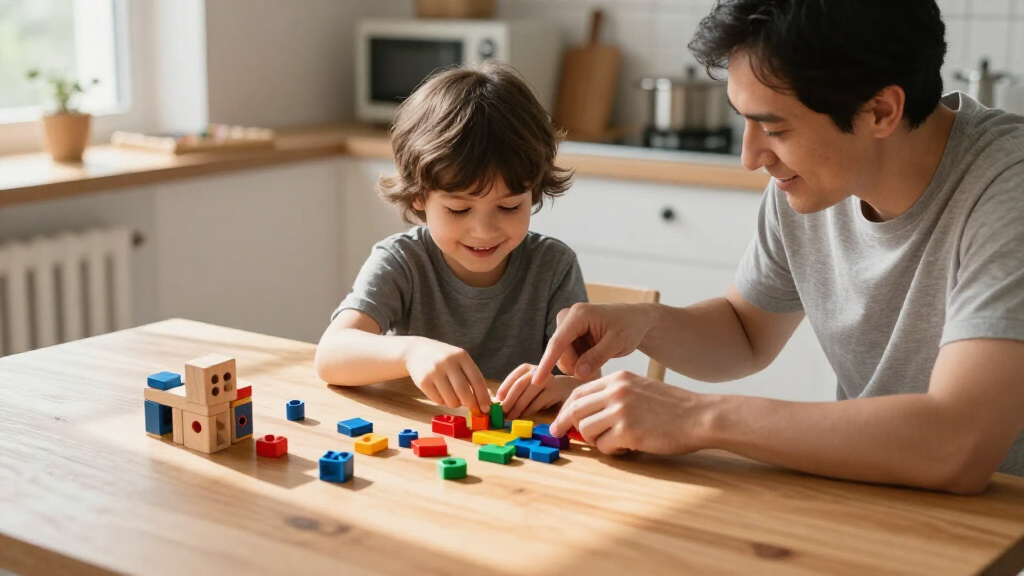
Our selection process focused on puzzles that are specifically designed for educational purposes in science. We prioritized products that balance visual appeal with factual content, durability, and safety. Consideration was given to age appropriateness, ease of use, and the ability to reinforce learning through interactive features or supplementary materials. We compared themes, complexity, and size to ensure each puzzle offers a distinct role—whether for beginners, space enthusiasts, or advanced learners—so you can find a match for your child’s curiosity and skill level.
| educational science puzzle | Material | Includes |
|---|---|---|
| Plant Anatomy Science Puzzle S | Thick and sturdy cardboard | — |
| 100 Piece Solar System Puzzle | Recycled board | Puzzle, poster, gift box |
| Junior Learning Life Cycle Sci | Cardboard | — |
| Solar System Space Kids Jigsaw | Sturdy cardboard | Planet names |
| The Wondrous Workings of Plane | Quality cardboard | Poster |
Factors to Consider When Choosing Educational Science Puzzles
Selecting the right educational science puzzle involves considering age, theme, complexity, and durability. Puzzles that match a child’s interests and developmental level can foster a deeper curiosity for science. Durability and safety are also key, especially for younger children. Whether you want a simple introduction to life cycles or a detailed exploration of ecosystems, understanding these factors helps you choose a puzzle that will provide both fun and learning.Age and Skill Level
Matching the puzzle difficulty and size with your child’s age ensures they stay engaged without becoming frustrated. For younger children, puzzles with fewer pieces and self-correcting features work best. Older kids and adults might enjoy more complex, detailed puzzles that challenge their spatial reasoning and scientific understanding.
Theme and Interests
Themed puzzles—whether about plants, space, or ecosystems—should align with the child’s interests to maximize engagement. Space puzzles are great for astronomy buffs, while plant or life cycle puzzles suit nature lovers. Consider whether your child prefers broad scientific concepts or specific topics for a more personalized experience.
Material and Durability
Look for puzzles made from sturdy, non-toxic materials that withstand repeated use. Safety certifications like CPSIA and ASTM add peace of mind. Puzzles with thick cardboard and precision-cut pieces tend to last longer and are easier for small hands to manipulate.
Educational Value and Extras
Some puzzles include additional educational features such as posters, booklets, or facts that reinforce learning. These extras turn a simple puzzle into a comprehensive educational experience. Think about whether these added materials align with your child’s learning style and curiosity.
Frequently Asked Questions
Are these puzzles suitable for young children?
Many of these puzzles are designed for children as young as 4, especially those with fewer pieces and self-correcting features, like the Junior Learning Life Cycle puzzles. However, always check the recommended age to ensure the puzzle matches your child’s developmental stage and avoid frustration or small parts that could pose safety risks.
Can these puzzles help improve my child’s science knowledge?
Yes, these puzzles integrate visual learning with factual information, making complex concepts more accessible. For example, the plant puzzles include science facts, while space and ecosystems puzzles introduce children to key scientific ideas through engaging visuals. They work best when supplemented with discussions or additional resources.
Are the materials used safe for children?
All the puzzles reviewed are made from non-toxic, durable materials, with safety certifications such as CPSIA, ASTM, or CE. This ensures they are safe for repeated handling by children, but it’s always good practice to check for any specific allergy concerns or choking hazards, especially for puzzles with small pieces.
How do I choose between a themed puzzle and a more general one?
If your child has a specific interest, like space or plants, choosing a themed puzzle enhances engagement and learning. General puzzles might appeal to broader curiosity or provide a more versatile activity. Consider your child’s interests and the educational focus you want to emphasize when selecting between them.
What should I look for in a durable science puzzle?
Durability depends on materials and construction—puzzles made from thick, high-quality cardboard with precision-cut pieces tend to last longer. Safety certifications also indicate adherence to safety standards. For active or young children, look for puzzles that can withstand frequent handling and possibly rougher play.
Conclusion
For parents seeking a straightforward introduction to science concepts, the Plant Anatomy Puzzle Set offers colorful, fact-filled fun for early learners. Those with space-curious children will appreciate the Solar System Puzzle for its engaging design and educational value. For young children just starting to explore biological cycles, the Life Cycle Puzzles provide a hands-on learning experience. Meanwhile, adults or older kids interested in ecosystems might prefer the detailed Earth Ecosystems Puzzle. Your choice depends on your child’s age, interests, and learning goals—match the puzzle to their curiosity for the best educational outcome.
Fall Picks
fall essentials
As an affiliate, we earn on qualifying purchases.