

Before making a big purchase, ask yourself five key questions: How will I finance this—pay upfront or in installments? Is there a warranty, and what does it cover? Can I trust the seller, and what’s their return policy? Have I considered all ongoing costs like maintenance or insurance? Answering these guarantees you’re informed and confident. Keep exploring, and you’ll discover important insights to make smarter decisions and avoid future surprises.
Key Takeaways
- Have I compared all payment options, including total costs and interest rates?
- Is the product covered by a comprehensive warranty, and what are its terms?
- Do I trust the seller’s reputation, and do their return policies suit my needs?
- Have I considered all ongoing expenses like maintenance, insurance, or fees?
- Do I have clear answers to these five questions to ensure an informed purchase?

Are you about to make a big purchase and feeling unsure where to start? It’s completely normal to feel overwhelmed when investing in something substantial, whether it’s a car, a home appliance, or even a piece of high-end technology. To make sure you’re making a well-informed decision, you need a clear plan. One effective approach is to ask yourself five key questions before sealing the deal. These questions will guide you through the most critical considerations, helping you avoid costly mistakes and ensuring you’re satisfied with your choice.
First, consider your financing options. Do you understand all the ways you can pay for this purchase? Sometimes, sellers or lenders offer financing plans that make big expenses more manageable through monthly payments. But these plans can come with interest and fees that increase the overall cost. It’s important to compare these options carefully. Look at the total amount you’ll pay back over time, not just the monthly installment. Knowing your financing options helps you decide whether to pay upfront or opt for a payment plan, based on your budget and financial goals. Also, check if there are any special promotions, zero-interest periods, or discounts for upfront payments. Being aware of your financing choices gives you control and prevents you from committing to terms that aren’t advantageous.
Understand all your payment options and compare total costs before committing to a big purchase.
Next, ask about warranty coverage. Does the product or service come with a warranty? What exactly does it cover, and for how long? A detailed warranty can save you money and stress if something goes wrong after your purchase. Clarify what repairs or replacements are included, and find out if there are any exclusions or additional costs. Knowing the warranty details helps you assess the true value of the purchase and prepares you for potential issues down the line. Sometimes, extended warranties are available, but they aren’t always necessary—so weigh the benefits against the cost. Additionally, understanding affiliate disclosure policies can inform you about potential costs or benefits associated with certain purchases, especially if you’re considering affiliate links or recommendations.
Beyond financing and warranty, it’s smart to investigate the seller’s reputation and return policy. Are you buying from a reputable source that stands behind its products? Can you return or exchange the item if it doesn’t meet your expectations? These questions protect you from surprises and ensure you’re making a safe investment. Also, consider the total ownership costs, like maintenance, insurance, or ongoing fees, which can considerably impact your budget.
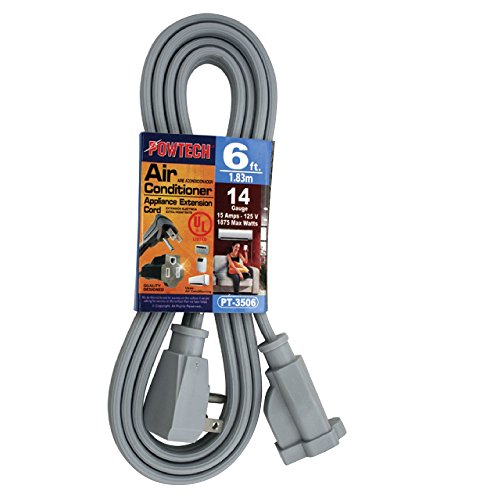
POWTECH Heavy duty 6 FT Air Conditioner and Major Appliance Extension Cord UL Listed 14 Gauge, 125V, 15 Amps, 1875 Watts GROUNDED 3-PRONGED CORD
Air Conditioner and Major Appliance Extension Cord UL Listed. Sturdy cord Ideal for plugging in large appliances such…
As an affiliate, we earn on qualifying purchases.
As an affiliate, we earn on qualifying purchases.
Frequently Asked Questions
How Can I Determine My True Budget for a Big Purchase?
To determine your true budget for a big purchase, start by evaluating your current finances and setting a clear spending limit. Consider potential financing options and how they affect your affordability. Factor in costs like interest rates and negotiations to get the best deal. Don’t forget to leave room for unexpected expenses. This way, you confidently negotiate prices and choose the best financing options without overextending yourself.
What Are Signs of a Trustworthy Seller or Retailer?
A trustworthy seller or retailer is like a beacon of reliability in a sea of uncertainty. You spot signs in product reviews that are genuine, detailed, and consistent. Check their seller reputation—look for high ratings and positive feedback. If they respond promptly and transparently to questions, it’s a good sign. Avoid sellers with negative reviews or vague policies, because your peace of mind is worth more than gold.
How Do I Compare Warranties or Service Plans Effectively?
To compare warranties or service plans effectively, start by reviewing the extended warranty options and understanding what each covers. Look closely at service plan coverage details, including repair or replacement costs, duration, and exclusions. Check if there are any deductibles or limitations. Comparing these factors helps you choose the best plan for your needs, ensuring you get value and peace of mind without surprises later.
When Is the Best Time to Buy a Major Item?
The best time to buy a major item is during seasonal sales, when prices drop dramatically—sometimes by half! You should also watch for financing options that make big purchases more affordable, and timing your purchase around holidays or end-of-season clearances can save you a fortune. Don’t rush; plan your shopping around these windows to maximize savings and get the best deal possible.
How Can I Identify Hidden Costs Associated With a Purchase?
To spot hidden costs when exploring franchise opportunities or luxury brands, you should thoroughly review all contracts and disclosures. Ask about ongoing fees, maintenance, insurance, and potential upgrade expenses. Research if there are renewal costs or restrictions that might add to your initial investment. Consult with industry experts or current owners to uncover unforeseen expenses. Being proactive helps you prevent surprises and ensures your big purchase aligns with your financial goals.

Introduction to US Health Policy: The Organization, Financing, and Delivery of Health Care in America
As an affiliate, we earn on qualifying purchases.
As an affiliate, we earn on qualifying purchases.
Conclusion
Now that you have this checklist, you’re ready to make smarter decisions. But remember, the real test begins when you’re face-to-face with that big purchase—will your instincts hold up? Trust the questions, stay cautious, and stay curious. Sometimes, the biggest risks hide behind the most tempting deals. Are you prepared to uncover what’s really beneath the surface? The next move could change everything—are you ready to take it?

ThinkFun Rush Hour Traffic Jam Logic Game – Engaging STEM Toy for Kids Age 8 and Up – Enhances Reasoning & Planning Skills – MESH Accredited – 20+ Awards – Trusted Worldwide Seller for Over 20 Years
Trusted by Families Worldwide – With over 50 million sold, ThinkFun is the world's leading manufacturer of brain…
As an affiliate, we earn on qualifying purchases.
As an affiliate, we earn on qualifying purchases.

Car's Extended Warranty T-Shirt
Car Extended Warranty design. Make people come up real close and have a laugh at this cool design…
As an affiliate, we earn on qualifying purchases.
As an affiliate, we earn on qualifying purchases.