
Switching to a total cost perspective helps you see beyond just the initial price and understand what you’ll spend over time. Rather than focusing on the cheapest option upfront, consider maintenance, repairs, durability, and lifespan—all of which impact your wallet later. This approach prevents costly surprises and ensures you make smarter choices aligned with your long-term goals. Keep exploring to discover how to evaluate ownership costs effectively and make better financial decisions.
Key Takeaways
- Focus on the entire lifecycle costs, including maintenance and repairs, rather than just the initial purchase price.
- Higher upfront costs may lead to lower long-term expenses if the product is more durable and reliable.
- Regular maintenance can significantly reduce future repair costs and extend the product’s lifespan.
- Comparing total ownership costs helps avoid hidden expenses and ensures better long-term value.
- Prioritizing quality over cheap alternatives results in smarter investments aligned with long-term financial goals.
Have you ever considered how looking at the total cost of a purchase can change your decision-making? Most people tend to focus on the upfront price, but that’s only part of the story. When you switch your perspective to the total cost, you start seeing how much an item will truly cost you over its entire lifecycle. This approach isn’t just about saving a few dollars now; it’s about making smarter, more informed choices that can lead to significant savings in the long run.
One key element often overlooked is lifecycle expenses. These are the costs that accumulate over time, including maintenance, repairs, and eventual replacements. For example, buying a cheaper car might seem like a good deal initially, but if it requires frequent repairs or consumes more fuel, those costs add up quickly. Conversely, investing in a slightly more expensive but reliable vehicle might have higher upfront costs but lower ongoing expenses, making it more economical over its lifespan. By considering lifecycle expenses, you’re not just looking at what you pay today but what you’ll pay year after year.
Understanding total cost of ownership** is crucial because it encompasses all expenses associated with a product or asset throughout its lifetime. Maintenance costs play a vital role in understanding the true cost of ownership. Some products or assets require regular upkeep to stay in good condition, and neglecting these costs can lead to bigger expenses down the road. For instance, appliances or electronics may seem affordable at first, but if they demand frequent repairs or early replacements, your total expenditure skyrockets. When evaluating a purchase, ask yourself: how much will I need to spend on upkeep, repairs, or replacements? This question helps you avoid surprises and makes sure you’re comparing options based on the full financial picture**.
Looking at total costs also encourages you to think about durability and quality. Sometimes, a higher initial investment in a well-made product can reduce long-term expenses, because it lasts longer and requires less maintenance. You’re not just comparing the sticker prices anymore; you’re weighing how much each option will cost you over time. This broader view shifts your focus from immediate savings to overall value, empowering you to make smarter choices that align with your financial goals.
In essence, adopting the total cost lens means you’re taking control of your spending. It’s about understanding that the cheapest option upfront might not be the most economical choice in the long run. By factoring in lifecycle expenses and maintenance costs, you gain a clearer picture of what ownership really entails. This smarter approach helps you avoid costly surprises and guarantees your money is spent on options that truly serve your needs over their entire lifespan.
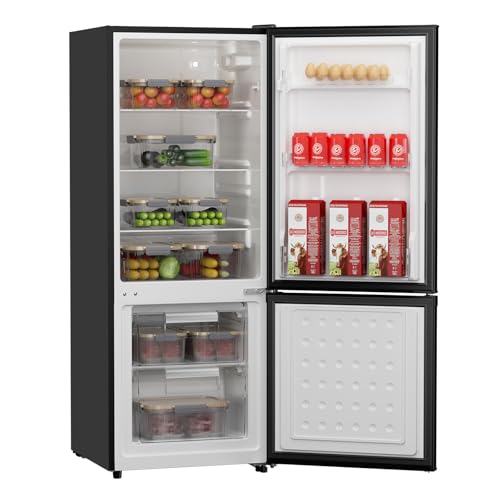
Upstreman 7.1 Cu.Ft Refrigerator with Bottom Freezer, Apartment Fridge with Freezer, Energy-efficient, Large Capacity, Adjustable Thermostat, Refrigerator for Apartment, Kitchen, Dorm(BM71)
7.1 Cu.Ft Large Capacity Fridge: This space-saving double-door (21.46"W x 55.91"H x 21.46"D) refrigerator packs serious storage. Top…
As an affiliate, we earn on qualifying purchases.
As an affiliate, we earn on qualifying purchases.
Frequently Asked Questions
How Do I Calculate True Ownership Costs for Complex Products?
To calculate true ownership costs for complex products, start by adding the purchase price to ongoing leisure expenses like maintenance and insurance. Include upgrade costs for future enhancements or replacements, and consider depreciation over time. Don’t forget to factor in any hidden costs, such as repairs or downtime. By doing this, you’ll get a clear picture of the total investment and avoid surprises that simple price comparisons miss.
What Are Common Hidden Expenses Overlooked in Total Cost Analysis?
Hidden expenses often include maintenance, insurance, and upgrade costs that you might overlook in your total cost analysis. These overlooked costs can markedly impact your overall ownership expenses. Be sure to account for ongoing service fees, depreciation, and potential repairs, as they can add up over time. By identifying these hidden expenses early, you can make more accurate comparisons and avoid surprises that inflate the true cost of ownership.
How Does Maintenance Impact the Overall Ownership Cost?
Think of maintenance costs as the heartbeat of your investment—keeping everything running smoothly requires regular checkups. Skimping on service intervals or ignoring repair frequency can lead to costly downtime expenses and reduced resale value. Proper maintenance, backed by warranty coverage, boosts operational efficiency and minimizes part replacements. By prioritizing upkeep, you ensure your asset stays in top shape, saving money on long-term ownership and maximizing its worth.
Can Total Cost Analysis Predict Future Expenses Accurately?
Yes, total cost analysis can help you predict future expenses more accurately by providing clear insights into all costs involved in your purchase decisions. It enhances cost transparency, allowing you to see long-term impacts rather than just upfront prices. While it’s not foolproof, using exhaustive data and considering maintenance, repairs, and operating costs improves your ability to forecast expenses and make smarter, more informed ownership choices.
How Do Different Financing Options Affect Total Ownership Costs?
Your choice of financing options dramatically impacts your total ownership costs. Lease options often lower monthly payments but may limit resale value, causing potential future expenses. Buying outright might increase upfront costs but boosts resale value, possibly reducing long-term expenses. The real trick is understanding how each option affects depreciation, maintenance, and resale—these hidden factors can make or break your financial decision. Choose wisely; your wallet will thank you later.
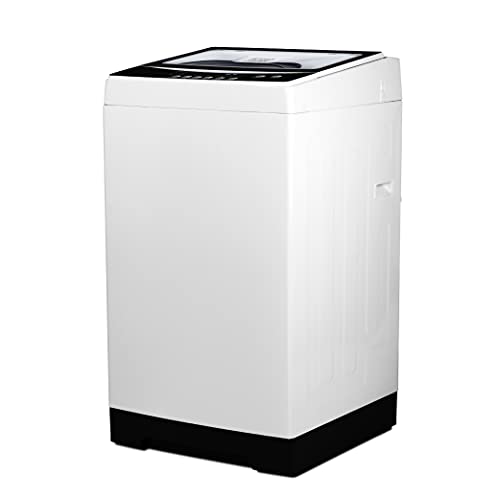
BLACK+DECKER 3.0 Cu. Ft. Portable Washer, 26.5 lb. Capacity Washing Machine, 6 Cycles, Quick Connect Sink Adapter and Drain Hose Included, Transparent Lid & LED Display, BPW30MW, White
Multiple Wash Cycles: Wash your laundry at home with this Black and Decker portable washer. Our portable clothes…
As an affiliate, we earn on qualifying purchases.
As an affiliate, we earn on qualifying purchases.
Conclusion
Instead of just chasing the lowest price, look at the big picture through the total cost lens. Think of it as planting a seed—you’ll want to contemplate all the nutrients and care needed to see it flourish, not just the initial seed cost. By comparing ownership costs, you’ll make smarter choices that grow into long-term savings. Remember, it’s not just the price tag that matters, but the whole story behind it.

Upgraded Dishwasher Center Spray Arm Assembly Compatible with Frigidaire FFCD2413UW5A FFCD2413UW6B FFCD2413UB5A FFCD2413UB6B FDPC4221AS1A FDPC4221AB1A FDPC4221AB2A FDPC4221AS2A FDPC4221AW1A
Compatible with Frigidaire FFCD2413UW5A FFCD2413UW6B FFCD2413UB5A FFCD2413UB6B FDPC4221AS1A FDPC4221AB1A FDPC4221AB2A FDPC4221AS2A FDPC4221AW1A
As an affiliate, we earn on qualifying purchases.
As an affiliate, we earn on qualifying purchases.

Goodman 15.2 SEER2 Central Split Unit Heat Pump AC/Heating System with 50' Install and 10K Backup Heat Kit | 2-Ton 24000 BTU, TXV Device, Single Stage HVAC System | R32 Refrigerant
HEAT PUMP CONDENSER: Offers efficient heating and central air conditioner unit, ensuring year-round comfort. Its simple installation and…
As an affiliate, we earn on qualifying purchases.
As an affiliate, we earn on qualifying purchases.