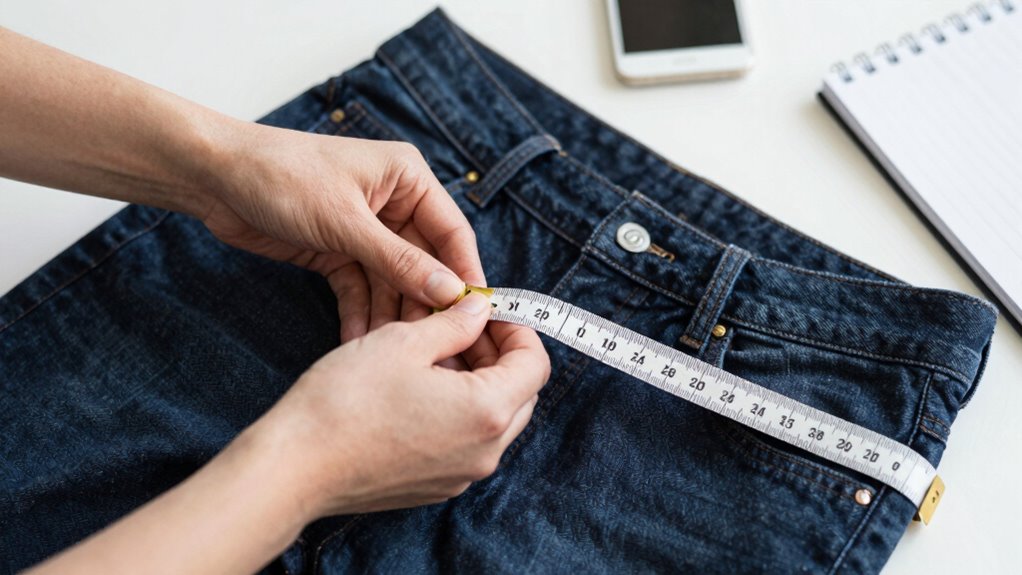

To prevent returns, make it a habit to measure yourself accurately before buying clothes. Use a tape measure to check your bust, waist, hips, and other key areas, then compare those numbers to size guides from brands. This simple step helps you find clothes that truly fit, saving you time and hassle. Keep practicing your measuring skills, and you’ll find shopping becomes more confident and satisfying. Stick around to discover more tips on perfecting your fit.

Prime made for students and young adults
- Fast, free delivery for dorm and study essentials
- Prime Video and Amazon Music included
- Member-only deals
Key Takeaways
- Take accurate measurements of bust, waist, and hips with a flexible tape for better fit predictions.
- Always compare your measurements to brand-specific size charts before purchasing.
- Use detailed size guides that indicate if a garment runs small or large to choose the correct size.
- Measure each style if possible, as fit can vary between different clothing cuts and brands.
- Incorporate measurement checks into your shopping routine to reduce guesswork and avoid unnecessary returns.
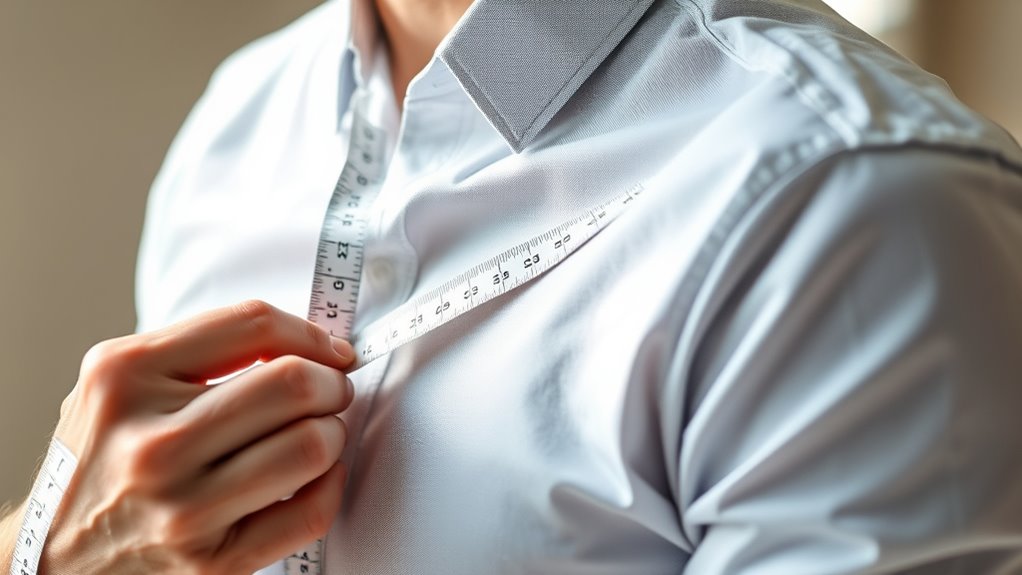
Have you ever wondered why choosing the right size feels so challenging? It’s because sizing isn’t always straightforward, and even the most well-made garments can vary in fit. That’s where fit accuracy becomes essential. When you rely on size guides provided by brands, you get a clearer picture of what to expect, helping you make more informed decisions. Size guides are designed to give you measurements for bust, waist, hips, and other key areas, so you can compare them with your own. But many people overlook these tools or don’t use them properly, leading to ill-fitting purchases and, ultimately, more returns.
Understanding your measurements and using size guides helps prevent ill-fitting clothes and reduces returns.
The key to improving fit accuracy starts with understanding that sizes aren’t universal. What’s a medium in one brand could be a small or large in another. This inconsistency is why consulting size guides is so important. Take the time to measure yourself accurately with a tape measure—don’t guess or rely on your clothing tag size. Once you have your measurements, compare them against the brand’s size chart. It’s a simple step that can save you a lot of hassle later. Remember, a good size guide will specify whether a garment runs small or large, giving you clues on whether to size up or down.
Many shoppers skip this step because they assume sizes are standardized or because they’re enthusiastic to get the item quickly. But this shortcut often leads to disappointment when a piece doesn’t fit as expected. When you prioritize fit accuracy, you’re more likely to choose the right size the first time. This habit can considerably cut down on returns, saving you time, money, and frustration. If you’re shopping online, read customer reviews—they often mention whether an item runs small or large, which can be a helpful supplement to the size guide.
Another tip is to check if the retailer provides detailed measurements rather than just size labels. Some brands include specific measurements for each size, making it easier to compare with your own. If possible, try on similar styles in store or order multiple sizes to see which fits best—then keep a mental or physical note for future purchases. Developing this habit of measuring, consulting size guides, and paying attention to fit accuracy ensures you’re buying clothes that fit well the first time. Incorporating size consistency into your shopping routine can further improve your chances of selecting the correct fit. Over time, this approach will make shopping more efficient and enjoyable, reducing the chances of returns and increasing your satisfaction with every purchase.
Frequently Asked Questions
How Do I Measure Clothing Accurately at Home?
To measure clothing accurately at home, use a flexible measuring tape and focus on fabric types like cotton or stretch blends for best results. Stand straight and take measurements of your bust, waist, and hips, keeping the tape snug but not tight. For styling tips, compare your measurements to the size chart, and remember that some fabrics may stretch or shrink. Double-check your measurements for perfect fit and avoid returns.
What Tools Are Best for Taking Precise Measurements?
You should use a flexible, non-stretchable measuring tape for precise measurements. Avoid measurement mistakes by guaranteeing the tape is snug but not tight, especially when dealing with different fabric types like knits or wovens. A digital or sewing ruler can help measure straight lines accurately. Always double-check your measurements and compare them to sizing charts to prevent sizing errors and ensure a perfect fit.
How Often Should I Re-Measure My Body?
You should re-measure your body every 3 to 6 months to account for seasonal size changes and maintain accurate body measurement frequency. Changes in weight, activity levels, or lifestyle can influence your size, so regular measurements guarantee you’re always choosing the right fit. Keep a record of your measurements and adjust your shopping habits accordingly, preventing returns and ensuring your clothes fit perfectly every time.
Do Sizing Charts Vary Between Brands?
Yes, sizing charts vary between brands due to differences in brand consistency and sizing variability. You’ll notice that a size small in one brand might be a medium or large in another. To avoid surprises, always check each brand’s specific sizing chart before purchasing. Taking your measurements beforehand helps you compare accurately across brands, ensuring a better fit and reducing the chances of having to return an item.
How Do I Choose the Right Size for Online Shopping?
Imagine you’re shopping online and want perfect fit accuracy. First, measure your bust, waist, and hips using a tape measure. Check the brand’s sizing chart, noting any sizing consistency issues. To choose the right size, compare your measurements with the chart, and read reviews for fit accuracy insights. This proactive approach minimizes returns, ensuring you get a comfortable, well-fitting item every time.
Conclusion
By adopting the habit of measuring yourself before making a purchase, you substantially cut down on unwanted returns. In fact, studies show that 30% of online fashion returns are due to sizing issues, costing retailers billions annually. When you prioritize accurate measurements, you not only save money and time but also help reduce waste and environmental impact. So, take the time to measure—your wardrobe, your wallet, and the planet will thank you.
Fall Picks
fall essentials
As an affiliate, we earn on qualifying purchases.