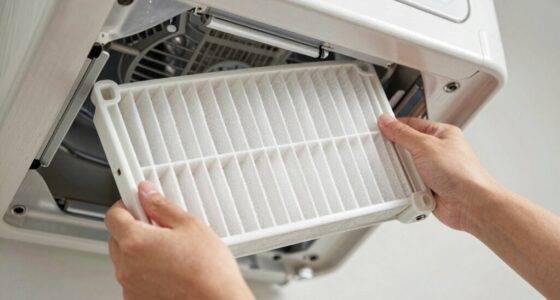

You might think your smart devices save money, but hidden costs can add up quickly. Maintenance expenses like repairs, software updates, and potential hardware replacements often go unnoticed. Cheaper gadgets tend to break down sooner, leading to frequent replacements, while software updates can cause compatibility issues or hardware upgrades. Investing in durable, high-quality devices can reduce these ongoing costs. To learn more about managing these hidden expenses effectively, keep exploring how proper planning can protect your budget.

Prime made for students and young adults
- Fast, free delivery for dorm and study essentials
- Prime Video and Amazon Music included
- Member-only deals
Key Takeaways
- Software updates may require hardware upgrades, increasing long-term maintenance expenses.
- Repair costs can be unpredictable, especially for proprietary or complex components.
- Frequent replacements due to short device lifespans add hidden costs over time.
- Compatibility issues from updates can render devices obsolete, leading to additional upgrades.
- Regular maintenance and timely replacements are essential to prevent unexpected, costly device failures.
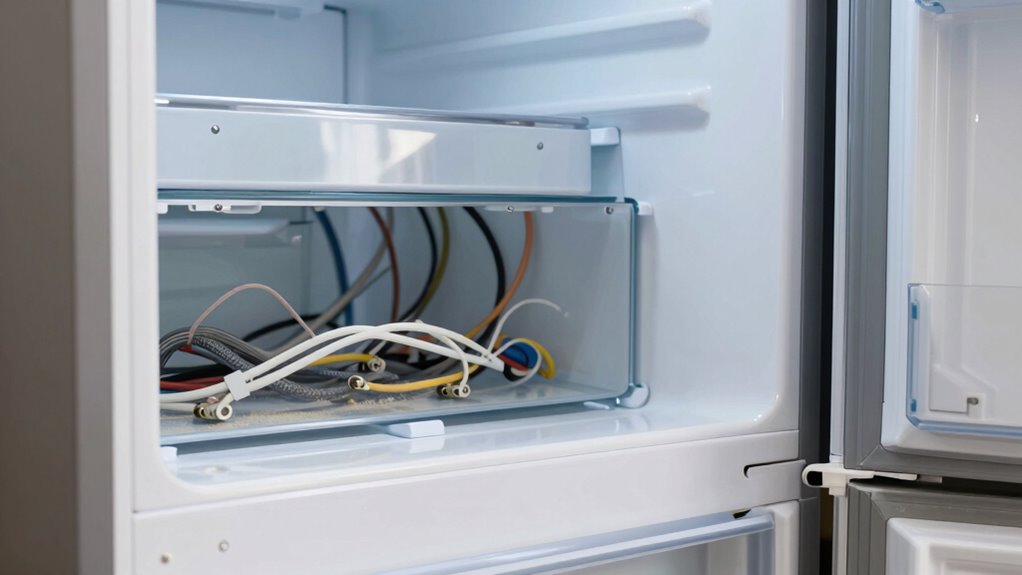
Have you ever wondered how much maintaining your home devices really costs? It’s easy to focus on the purchase price, but the ongoing expenses often go unnoticed. When it comes to smart devices and other home conveniences, understanding their true costs involves more than just initial investment. Smart device longevity plays a significant role in how often you’ll need to replace or repair them, and this directly influences your maintenance budget. Devices with longer lifespans tend to save you money over time, but you need to consider their durability and the quality of components used. Cheaper smart gadgets might seem appealing at first, but they often have shorter lifespans, requiring frequent replacements, which can add up quickly.
Long-lasting smart devices save money over time by reducing replacements and repairs.
This is where replacement cycle analysis becomes essential. By analyzing how often you need to swap out or repair your devices, you can better plan your expenses and avoid unexpected costs. For example, a smart thermostat with a longer replacement cycle can be more cost-effective in the long run than one that needs replacing every couple of years. The key is to evaluate the durability of each device, including how well it integrates with your existing setup and whether its software support will last. Some devices might seem affordable initially but cost you more over time due to frequent breakdowns or obsolescence. Additionally, device lifespan directly impacts your overall maintenance expenses and replacement planning.
You should also consider the costs associated with regular maintenance and updates. Smart devices often require software updates to stay secure and functional, which can sometimes lead to compatibility issues or the need for hardware upgrades before their expected end of life. These hidden costs can significantly impact your total maintenance expenses. Furthermore, the repair costs for smart devices can be unpredictable, especially if they involve proprietary parts or specialized technicians. Understanding the typical lifespan and maintenance needs of your devices allows you to make smarter choices, balancing initial costs against long-term savings. Conducting a replacement cycle analysis can help identify which devices are worth upgrading or replacing sooner, thereby reducing unnecessary expenses.
Furthermore, device durability is a crucial factor that impacts overall maintenance costs and replacement cycles. Investing in high-quality devices with better materials and components can reduce the frequency of repairs and replacements, ultimately lowering your long-term expenses. High-quality components tend to withstand wear and tear better, prolonging the device’s usefulness. Conducting a comprehensive replacement cycle analysis helps you identify which devices are worth upgrading or replacing sooner, saving you money in the long run. Ultimately, keeping tabs on your devices’ longevity and replacement cycles helps you avoid being caught off guard by sudden expenses. It encourages you to invest in higher-quality devices that last longer and require less frequent repairs. By conducting a thorough replacement cycle analysis, you can allocate your budget more effectively and ensure your home remains convenient without draining your finances. Recognizing these hidden costs might require some upfront research, but it pays off by helping you make informed decisions about which devices are worth investing in—and which might be better to replace sooner rather than later.
As an affiliate, we earn on qualifying purchases.
Frequently Asked Questions
How Often Should I Schedule Professional Maintenance for My Devices?
You should schedule professional maintenance for your devices at least once a year to keep energy consumption efficient and prevent unexpected breakdowns. Regular check-ups guarantee your devices operate smoothly, saving you money and energy. Additionally, well-maintained devices are essential for emergency preparedness, as they’re more reliable when you need them most. Don’t forget to review manufacturer recommendations, as some appliances may require more frequent servicing for peak performance.
Are There DIY Maintenance Tips to Reduce Long-Term Costs?
Yes, you can save costs with simple DIY tips. Regularly clean filters, dust vents, and check for leaks or loose connections. Clear debris from fans and coils, and replace worn-out parts when necessary. These actions prevent breakdowns and improve efficiency, leading to long-term cost savings. Just make sure you follow safety guidelines, and when in doubt, consult your device’s manual or a professional for complex repairs.
What Warranties Typically Cover Repair Costs for Home Devices?
Warranties typically cover repair costs for home devices, but watch out for exclusions like accidental damage or misuse. Most warranties include repair coverage for manufacturing defects within a set period. However, warranty exclusions might limit what’s covered, so read the fine print carefully. If your device breaks due to normal wear and tear, you might need to pay out of pocket, even if you have a warranty, so understanding the coverage details is essential.
How Do Maintenance Costs Vary Between Brand and Model?
Maintenance costs vary between brand and model due to differences in brand reputation and model compatibility. Well-known brands with strong reputations often offer higher quality, reducing repair needs and costs over time. Conversely, lesser-known brands might have cheaper initial prices but higher long-term maintenance. Additionally, certain models are more compatible with specific parts or systems, making repairs easier and less expensive. You should consider these factors when choosing devices to minimize future maintenance expenses.
Can Regular Maintenance Improve Device Lifespan and Efficiency?
Yes, regular maintenance improves your device’s lifespan and efficiency. When you clean filters, check for wear, and perform routine upkeep, your devices operate more smoothly, saving energy and reducing repair costs. This boosts energy efficiency, helping you cut down on ongoing expenses. By investing time in maintenance, you enjoy better performance, longer-lasting devices, and significant cost savings over time, making your home more efficient and budget-friendly.
As an affiliate, we earn on qualifying purchases.
Conclusion
While your smart fridge promises convenience, it quietly racks up maintenance costs, much like that old, stubborn appliance in the corner. You might enjoy the sleek touchscreens now, but behind the scenes, repairs and updates lurk. Just as a loyal but aging vacuum needs fixing, your devices demand attention—reminding you that modern comforts come with hidden expenses. So, next time you press ‘buy,’ consider not just the price, but the upkeep waiting in the wings.
long lifespan smart security cameras
As an affiliate, we earn on qualifying purchases.
As an affiliate, we earn on qualifying purchases.
proprietary smart device repair kits
As an affiliate, we earn on qualifying purchases.
As an affiliate, we earn on qualifying purchases.
Fall Picks
fall essentials
As an affiliate, we earn on qualifying purchases.