

If you’re experiencing persistent headaches, lingering odors, or allergy symptoms like sneezing and itchy eyes, poor indoor air quality might be the cause. Stuffy environments, stagnant smells, and mold growth are clear signs you need to check your air. Poor ventilation often contributes, so look for signs like unclean filters or moisture buildup. If these sound familiar, keep going to discover how to identify and fix indoor air issues effectively.
Open a free Amazon Business account
Business pricing, bulk buying and tax-exempt orders.
As an affiliate, we earn on qualifying purchases.
Key Takeaways
- Notice persistent odors, stuffiness, or lingering smells despite cleaning efforts.
- Experience symptoms like headaches, sneezing, itchy eyes, or fatigue indoors.
- Detect visible mold, moisture, or dampness signs in your home environment.
- Use indoor air quality monitors to identify high levels of pollutants or allergens.
- Observe if ventilating windows or using fans improves air freshness and reduces symptoms.
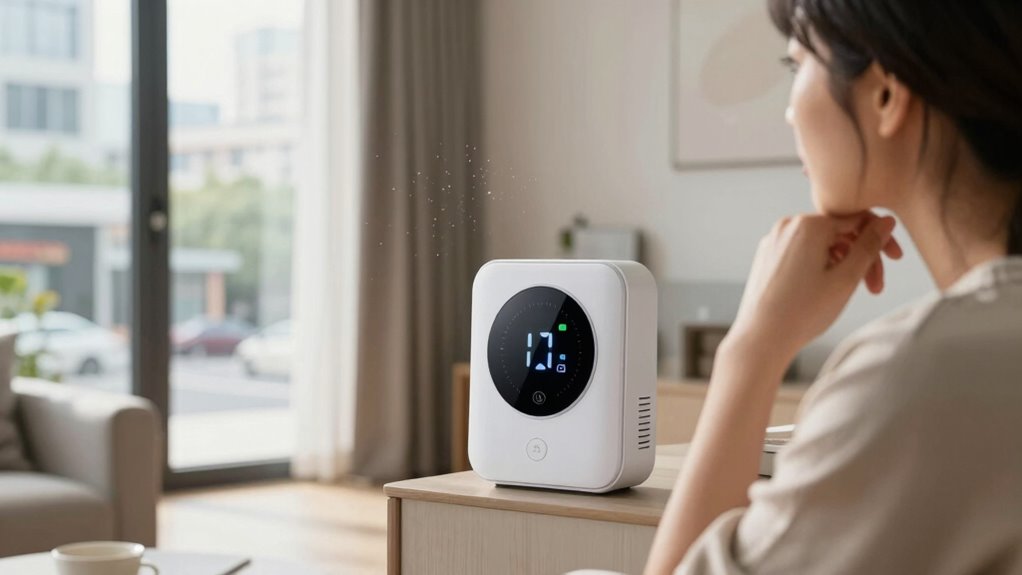
Are you noticing unexplained headaches, coughing, or lingering odors in your home or workplace? These could be signs that your indoor air quality isn’t up to par. Poor air quality often stems from indoor allergens—dust mites, pet dander, mold spores, and other irritants—that circulate within enclosed spaces. If you’re frequently sneezing, experiencing itchy eyes, or feeling more fatigued than usual, it’s worth considering whether indoor allergens are accumulating in your environment. Addressing these issues starts with understanding how ventilation strategies can make a meaningful difference. Proper ventilation helps remove pollutants, moisture, and odors, reducing the buildup of indoor allergens and improving overall air quality.
You might think opening windows is enough, but effective ventilation requires more deliberate strategies. Mechanical ventilation systems, such as exhaust fans, air purifiers with HEPA filters, or controlled HVAC systems, can substantially reduce airborne allergens. These systems actively circulate fresh air while filtering out particles that cause allergic reactions or respiratory irritation. If your indoor space feels stuffy or smells stagnant, it’s a clear sign that your current ventilation isn’t sufficient. Improving airflow isn’t just about comfort; it’s about creating an environment where indoor allergens can’t thrive. Regularly changing filters and maintaining ventilation equipment ensures these strategies work effectively and prevent indoor pollutants from lingering. Additionally, understanding the indoor air quality can help you identify specific pollutants that need targeted solutions. Using ventilation strategies such as air exchange systems can further enhance air freshness and allergen removal. Enhancing your knowledge about indoor air quality factors can help you make more informed decisions to improve your environment.
Another telltale sign that air quality needs attention is persistent odors that refuse to fade, even after cleaning. These odors often originate from trapped moisture, mold, or pet dander, which can exacerbate allergy symptoms. To combat this, you need to boost your ventilation strategies—adding exhaust fans in bathrooms and kitchens, increasing airflow, or investing in air purifiers. These steps help to remove the sources of indoor allergens and prevent their recirculation. It’s also important to identify sources of moisture and mold, as these can worsen indoor air quality and trigger allergic reactions. Recognizing that poor ventilation can contribute to indoor air pollutants helps emphasize the importance of effective airflow management. Using an indoor air quality monitor can also help detect specific issues that might not be immediately visible.
As an affiliate, we earn on qualifying purchases.
Frequently Asked Questions
Can Poor Air Quality Cause Long-Term Health Issues?
Yes, poor air quality can cause long-term health issues. When you’re exposed to airborne toxins, these pollutants can lead to chronic respiratory problems, especially if exposure is ongoing. Over time, they may cause persistent coughs, asthma, or even lung damage. Protecting your indoor air quality helps prevent these issues, so it’s crucial to guarantee good ventilation and reduce sources of airborne toxins in your environment.
What Are Common Sources of Indoor Air Pollution?
You’ll often find indoor air pollution from sources like poor ventilation systems that trap pollutants inside, making the air stale and harmful. Chemical emissions from cleaning products, paints, and furniture also contribute considerably. Cigarette smoke, mold, and pet dander are common culprits too. Improving ventilation helps remove these pollutants, while choosing low-emission products reduces chemical emissions, making your indoor environment safer and healthier.
How Often Should I Test My Home’s Air Quality?
Think of your home’s air quality sensors as your health’s silent guardians. You should test your air quality at least once every three to six months, or more often if you notice odors, allergies, or symptoms. Regular testing guarantees you catch pollutants early, keeping your indoor environment safe. Remember, consistent testing frequency helps you stay ahead of potential problems, rather than reacting only after issues become noticeable.
Are Air Purifiers Effective Against All Pollutants?
Air purifiers are effective against many pollutants, but they have limitations. They excel at removing airborne particles like dust and pollen, especially with HEPA filters, but chemical filtration is necessary for VOCs and odors. Keep in mind, some pollutants like gases or volatile chemicals may still linger despite using an air purifier. So, while they help, they aren’t a complete solution for all air quality issues.
When Should I Seek Professional Help for Air Quality Concerns?
Like a knight in shining armor, you should seek professional help when your DIY assessment and budget solutions don’t improve your air quality. If you notice persistent odors, allergies worsening, or respiratory issues despite cleaning and ventilating, it’s time to call in experts. They can conduct thorough testing, identify hidden pollutants, and recommend effective solutions—saving you time, money, and peace of mind in the long run.

Amazon Smart Air Quality Monitor – Know your air, Works with Alexa
- Real-time Air Quality Monitoring: Tracks PM 2.5, VOCs, CO, humidity, and temperature
- Easy Air Quality Insights: Color-coded LED and Alexa app updates
- Works with Alexa: Seamless integration for smart home
As an affiliate, we earn on qualifying purchases.
As an affiliate, we earn on qualifying purchases.
Conclusion
So, when you notice persistent headaches or lingering odors, it’s tempting to dismiss them as minor. But these signs could point to a bigger issue—air quality. Ignoring the problem might seem easier, but beneath the surface, poor air can quietly affect your health and comfort. Recognizing the warning signs is the first step. Addressing air quality isn’t just about breathing better; it’s about reclaiming your well-being amid the unseen threats around you.

Broan-NuTone Bathroom Exhaust Fan, 50 CFM Modern Grille, Energy Star Fan, 2.0 Sones
- Ventilation Capacity: 50 CFM for small bathrooms
- Energy Efficiency: Energy Star Certified, 2.0 Sones
- Easy Installation: No-cut, attic access not required
As an affiliate, we earn on qualifying purchases.
As an affiliate, we earn on qualifying purchases.
As an affiliate, we earn on qualifying purchases.
Labor Day sales Picks
labor day deals
As an affiliate, we earn on qualifying purchases.