
A simple home comfort audit helps you identify drafts, insulation gaps, and areas where heat escapes or enters, so you can target improvements effectively. By inspecting your home and possibly using thermal imaging, you’ll see which spots need repair. This prevents you from wasting money on unnecessary heating or cooling devices. Focused upgrades based on this audit can boost comfort and save money long-term. Keep exploring to discover more ways to enhance your home’s efficiency.

Prime made for students and young adults
- Fast, free delivery for dorm and study essentials
- Prime Video and Amazon Music included
- Member-only deals
Key Takeaways
- Conduct visual inspections and thermal imaging to identify drafts and insulation gaps before buying new heating or cooling equipment.
- Assess overall home thermal performance to prioritize upgrades that maximize comfort and energy savings effectively.
- Identify hidden issues like drafts and insulation deficiencies that could lead to unnecessary appliance purchases.
- Focus on targeted insulation upgrades, especially in problem areas, to improve comfort without overspending.
- Use audit insights to avoid costly, ineffective appliances by addressing root causes of temperature issues.
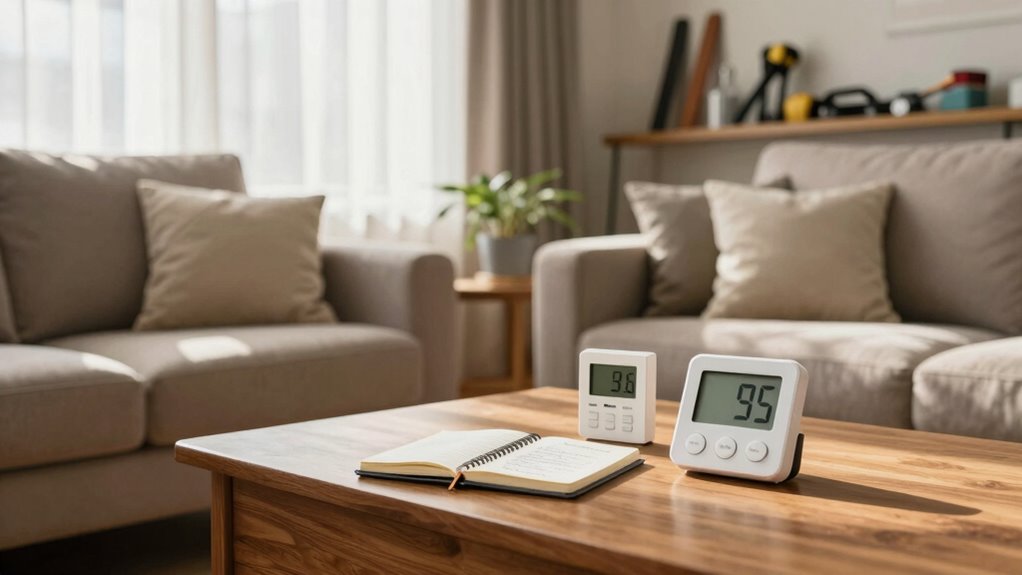
A home comfort audit is an essential step toward creating a more energy-efficient and cozy living space. When you take the time to evaluate your home’s current condition, you gain valuable insights into how well it retains heat during winter and stays cool in summer. This process helps you identify areas where energy efficiency can be improved, often revealing that small changes can make a significant difference. One of the most effective ways to boost your home’s energy efficiency is through insulation upgrades. By enhancing the insulation in your attic, walls, and floors, you reduce heat loss in winter and limit heat gain in summer. This not only makes your home more comfortable but also lowers your energy bills by decreasing the need for heating and cooling.
During your home comfort audit, you’ll want to look closely at your current insulation levels. Many homes have outdated or insufficient insulation, which leads to drafts and uneven temperatures. Upgrading insulation is a straightforward way to address these issues, but first, you need to know where the gaps are. You might notice areas where cold air seeps in or warm air escapes—these are signs that insulation upgrades are needed. Conducting a thorough visual inspection can help you spot leaks around windows, doors, and electrical outlets that could be affecting your home’s energy efficiency. You may also consider professional thermal imaging to pinpoint hidden problem spots that are hard to see with the naked eye. Incorporating air quality solutions such as sensors and purifiers during your audit can also help you identify indoor air issues that impact comfort and health. Additionally, understanding the home’s thermal performance can guide you in making targeted improvements. Recognizing the role of insulation material types can further optimize your upgrade choices for better thermal regulation. Moreover, being aware of building envelope efficiency helps ensure that all components work together for maximum energy savings.
Furthermore, understanding the cost-effectiveness of insulation upgrades can help you prioritize projects that deliver the best long-term savings and comfort. Once you’ve identified the weak points, you can plan your upgrades more effectively. Prioritizing insulation improvements in areas with the most drafts ensures you get the best return on your investment. Not only will this make your home more comfortable year-round, but it also prevents you from wasting money on unnecessary purchases like high-end cooling systems or space heaters. Instead, you’ll be addressing the root cause—drafty spots and poor insulation—that make your home uncomfortable.
Popular right now

Samsung 65-Inch The Frame Pro Neo QLED 4K TV (2026) Bundle with Modern Brown Bezel, HDMI Cables, and Home Theater Guide

Shark HydroVac MessMaster Wet/Dry Vacuum & Mop Combo (AW261)

Dyson Cyclone V10 Origin Cordless Vacuum
As an affiliate, we earn on qualifying purchases.
Frequently Asked Questions
How Often Should I Perform a Home Comfort Audit?
You should perform a home comfort audit at least twice a year, ideally during seasonal maintenance periods. This helps you maintain your comfort zone by checking insulation, HVAC systems, and drafts. Regular audits guarantee your home stays efficient and cozy, preventing costly upgrades or discomfort. Seasonal checks allow you to identify issues early, so you can address them before they become bigger problems, keeping your home comfortable year-round.
Can I Do the Audit Myself or Need a Professional?
You can definitely do a DIY assessment for your home comfort, especially if you’re comfortable with basic tasks. However, a professional evaluation can identify issues you might overlook and recommend precise solutions. Combining both approaches ensures thoroughness; start with a DIY assessment to spot obvious problems, then consider a professional evaluation for detailed insights. This way, you prevent wrong purchases and improve your home’s overall comfort effectively.
What Tools Are Necessary for a Home Comfort Audit?
To conduct a home comfort audit, you’ll need basic tools like a thermometer, moisture meter, and a flashlight. These help you assess indoor air quality and insulation quality effectively. A smoke pencil can identify drafts, while a tape measure ensures proper insulation coverage. With these tools, you can identify issues impacting your home’s comfort, saving money and preventing wrong purchases by addressing problems early and accurately.
How Long Does a Typical Home Comfort Audit Take?
A typical home comfort audit usually takes about 1 to 3 hours, depending on your home’s size and complexity. During this time, you’ll assess temperature regulation and conduct an insulation assessment to identify areas needing improvement. You can expect the process to be thorough but efficient, ensuring you understand your home’s comfort issues without taking up your entire day. Proper planning makes the audit smooth and effective.
Will an Audit Save Me Money on Energy Bills?
Yes, an audit can save you money on energy bills. It helps identify cost-effective upgrades and inefficiencies, allowing you to implement energy saving tips that make a real difference. By addressing issues early, you avoid unnecessary expenses and improve your home’s comfort. This proactive approach guarantees you’re investing wisely in improvements that lower your energy costs over time, making your home more efficient and saving you money in the long run.
Conclusion
Think of your home as a garden, where each corner needs careful tending. The simple comfort audit is your gentle gardener, pruning unnecessary clutter and nurturing what truly keeps you cozy. When you take these small steps, you create a sanctuary that blooms with warmth and harmony. So, embrace the process, and watch how your home transforms into a lush oasis—peaceful, balanced, and perfectly suited to your needs. Your comfort starts with this mindful care.