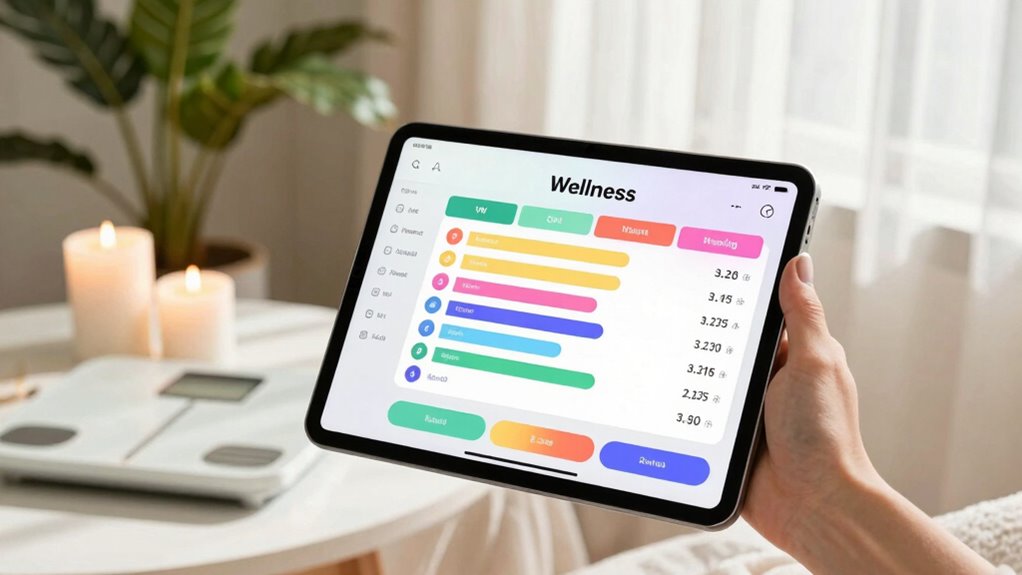

To gauge if your high-ticket wellness product helps, track both physical results and emotional engagement. Look for indicators like active participation, positive interactions, and client feedback showing empowerment or gratitude. Monitor emotional shifts such as motivation or relief, and gather regular testimonials. Combining these insights with physical improvements guarantees you’re on the right path. If you’d like to discover specific strategies to measure success effectively, keep exploring these essential signals.
Open a free Amazon Business account
Business pricing, bulk buying and tax-exempt orders.
As an affiliate, we earn on qualifying purchases.
Key Takeaways
- Track client engagement levels through participation, feedback, and interactions to assess their connection to the program.
- Collect emotional testimonials and monitor shifts in confidence, motivation, and overall well-being.
- Use surveys and client stories to identify patterns indicating emotional and physical progress.
- Measure physical improvements alongside emotional responses for a comprehensive view of success.
- Balance objective metrics with subjective feelings to evaluate the program’s meaningful impact effectively.

How do you accurately gauge the success of high-ticket wellness products? It’s a question that often comes down to understanding how well your offering resonates with your clients and whether it genuinely transforms their lives. Customer engagement plays a pivotal role here. When clients are actively involved in your program, attending sessions, participating in discussions, and providing feedback, you’re getting clear signals that they value the experience. High engagement indicates that your product isn’t just a superficial fix but a meaningful part of their wellness journey. You’ll notice increased participation, positive interactions, and a willingness to invest time and resources—these are all signs your product is hitting the mark.
High client engagement signals your wellness product truly resonates and adds value to their journey.
But engagement alone isn’t enough. You also need to assess the emotional impact your product has on your clients. Wellness isn’t just about physical results; it’s about how your clients feel during and after the process. Do they leave your program feeling empowered, more confident, and motivated? Or do they seem indifferent, frustrated, or disconnected? When your high-ticket offering creates a strong emotional impact, your clients are more likely to stay committed and recommend your services to others. Their emotional responses—such as a sense of achievement or relief—are powerful indicators that your product is truly helping.
Tracking these emotional cues requires active listening and honest feedback. You might survey your clients regularly or simply engage in meaningful conversations to understand their feelings. Look for patterns: Are they expressing gratitude? Do they share stories of overcoming challenges? These stories are testimonials to the emotional value you’re providing. If clients openly share how your program has improved their mood or self-esteem, you know you’re making a genuine difference. Additionally, understanding the client experience can help you identify areas where emotional or engagement levels may need strengthening. Incorporating client feedback systematically can also offer valuable insights into what is resonating most deeply. A thorough understanding of client perceptions can further enhance your ability to adapt your offerings effectively.
Furthermore, considering the psychological aspects of your clients’ wellness can deepen your understanding of their needs and responses, helping you tailor your approach more effectively. Additionally, tangible results matter, but they should align with the emotional and engagement signals you observe. If clients are reporting physical improvements alongside positive emotional shifts and high engagement levels, it confirms your product’s effectiveness. Conversely, if physical results are lacking despite high engagement, you might need to refine your approach or set clearer expectations.
Ultimately, measuring whether a high-ticket wellness product helps hinges on the delicate balance between objective data and subjective experiences. Customer engagement reveals how invested clients are, while emotional impact shows how deeply the product touches their lives. When both are positive, you can confidently say your high-ticket wellness offering is making a real difference. Keep a close eye on these factors, and you’ll be better equipped to improve your program and deliver lasting value. Recognizing the importance of mindful reflection can help you continually refine your approach and deepen client relationships.
wellness program client feedback forms
As an affiliate, we earn on qualifying purchases.
As an affiliate, we earn on qualifying purchases.
Frequently Asked Questions
How Long Should I Wait to See Results From a Wellness Product?
You should typically wait at least 4 to 6 weeks to see results from a wellness product. Be consistent with your use, as product consistency is key. Keep in mind, some initial improvements might be due to the placebo effect, so give it time before judging effectiveness. Tracking your progress helps you stay objective and see real changes, ensuring you’re not just experiencing temporary placebo-driven effects.
Can Individual Results Vary Significantly With the Same Product?
Yes, individual results can vary considerably with the same product, influenced by factors like the placebo effect and user expectations. Your body’s unique chemistry and mindset shape how you respond, so some may see quick improvements while others notice gradual changes. While the product’s efficacy matters, your beliefs and expectations can enhance or hinder results, making personalized experiences common even with identical wellness solutions.
Are There Specific Metrics to Track Progress Effectively?
You should track benchmarks like weight, body measurements, energy levels, sleep quality, and stress reduction to measure progress effectively. Use clear progress indicators such as improved mood, increased stamina, or better sleep patterns. Regularly recording these metrics helps you see tangible changes over time, ensuring the wellness product genuinely benefits you. Consistent tracking keeps you motivated and provides concrete data to evaluate the product’s effectiveness.
What Are Common Mistakes When Evaluating Wellness Product Effectiveness?
A common mistake is relying too heavily on user testimonials, which can be biased or influenced by placebo effect. You might also overlook objective metrics, assuming positive feedback equals effectiveness. To avoid this, combine testimonials with measurable data like health improvements or behavioral changes. Remember, testimonials are helpful but shouldn’t be the sole indicator of a product’s success; always verify results with tangible evidence.
How Do I Determine if a High-Ticket Product Is Worth the Investment?
You need to dig deep before investing in a high-ticket wellness product. Don’t just rely on surface-level info—look for genuine customer testimonials that highlight real results. Expert reviews can also shed light on its effectiveness and credibility. If it checks all the boxes and the stories align with your goals, then you’re probably onto something worth your money. Trust your instincts, but back them up with solid evidence.
emotional well-being assessment tools
As an affiliate, we earn on qualifying purchases.
As an affiliate, we earn on qualifying purchases.
Conclusion
So, you’ve gathered your data and seen some promising results. But here’s the truth—true success with high-ticket wellness products goes beyond numbers. It’s about how you feel, how your clients transform, and the lasting impact you create. Are you truly measuring the right things? Keep digging, stay curious, and remember—sometimes, the most profound changes aren’t immediately visible. The real proof is waiting just beyond what you think you see.
physical progress tracking for wellness
As an affiliate, we earn on qualifying purchases.
As an affiliate, we earn on qualifying purchases.
As an affiliate, we earn on qualifying purchases.
College move-in / dorm season Picks
dorm essentials
As an affiliate, we earn on qualifying purchases.


![The Early History Of The Singular Value Decomposition (1993) [Pdf]](https://haltmal.com/wp-content/uploads/2026/07/the-early-history-of-the-singular-value-decomposition-1993-pdf-featured-560x300.jpg)