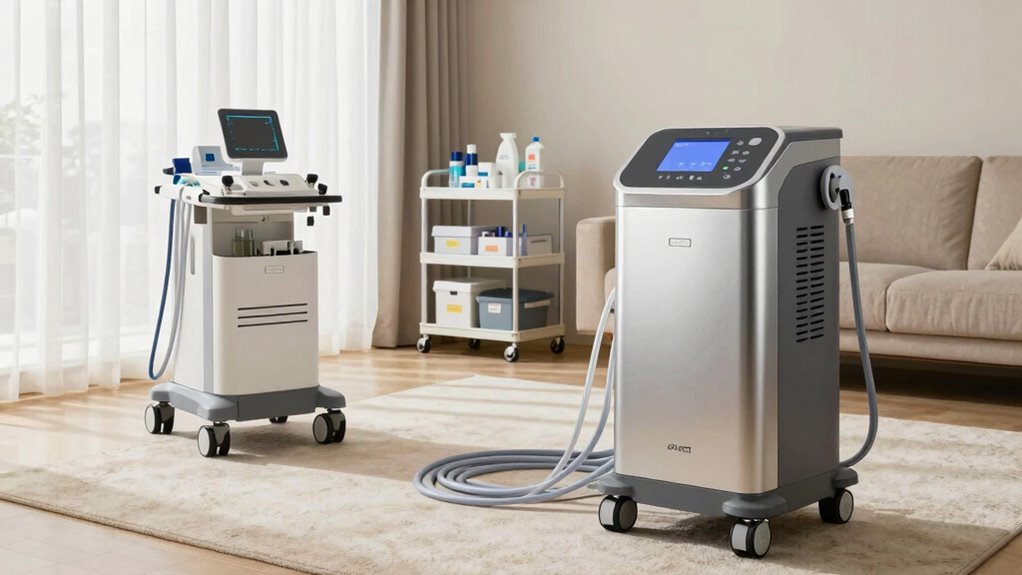
Investing in large at-home recovery gear involves hidden costs beyond the initial price tag. You’ll face higher insurance premiums, especially if insurers see added risks. You may need new storage solutions to protect your equipment, which can be costly. Ongoing expenses like maintenance, repairs, and increased utility bills can quickly add up. Plus, large gear can reduce your space, affecting your home’s value and flexibility. Keep exploring to uncover more about these often-overlooked ownership costs.
Open a free Amazon Business account
Business pricing, bulk buying and tax-exempt orders.
As an affiliate, we earn on qualifying purchases.
Key Takeaways
- High-tech recovery equipment can significantly increase insurance premiums, with costs potentially rising over time.
- Proper storage solutions are essential to prevent damage and clutter, adding to overall ownership expenses.
- Maintenance, repairs, and utility costs for large recovery gear can accumulate, raising ongoing ownership expenses.
- Large equipment can reduce home space, impacting property value and limiting future modifications or uses.
- Moving or selling substantial recovery gear involves transportation and logistical costs, adding to long-term ownership expenses.
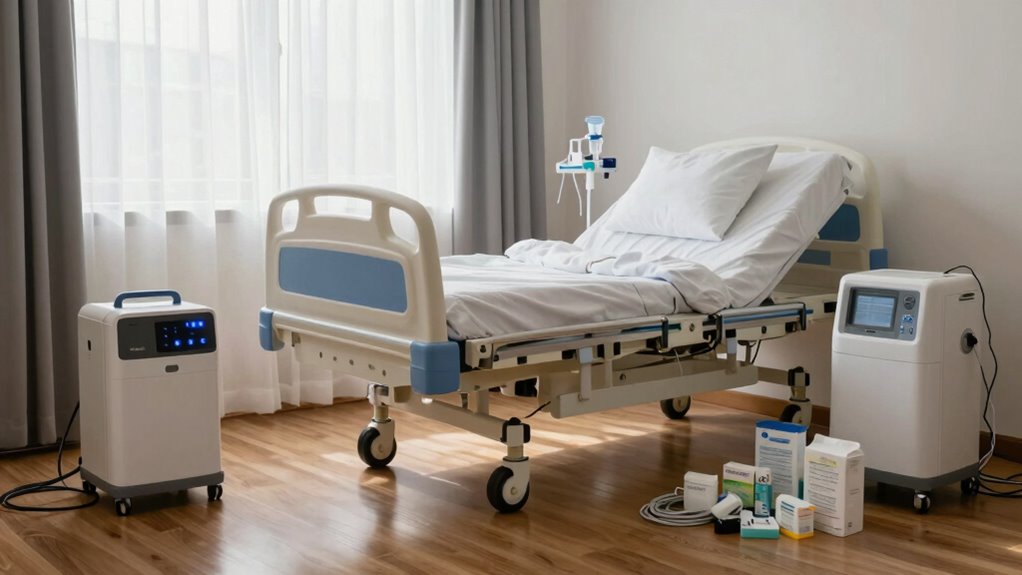
Investing in large at-home recovery gear might seem like a straightforward way to support your health, but it often comes with hidden costs that can catch you off guard. One of the most overlooked expenses is the increase in your insurance premiums. When you add significant equipment—like a specialized bed, medical lift, or mobility aids—you signal a higher health or property risk to your insurer. This can lead to increased premiums, sometimes substantially so, which means you’ll pay more each month just to keep your coverage. It’s a cost that isn’t always obvious when you first make the purchase, yet it can add up over time. You’ll want to speak with your insurance provider beforehand to understand how your new gear could impact your rates.
Adding large recovery equipment may raise your insurance premiums unexpectedly over time.
Another often ignored expense is finding adequate storage solutions. Large recovery equipment isn’t just bulky; it requires proper space to keep it safe and functional. If your home lacks a dedicated room or garage, you may need to renovate or reorganize existing spaces, adding to your overall costs. Portable storage units, custom shelving, or even renting storage space outside your home are options that can quickly become expensive. Without proper storage, you risk damaging the equipment or creating clutter that affects your daily living environment. Planning for storage solutions early can save you money and hassle, but many skip this step until it’s too late, leading to rushed and costly arrangements. Additionally, proper storage can also extend the lifespan of your equipment by protecting it from environmental damage. It’s also wise to consider the long-term ownership costs, which can include increased maintenance and utility expenses over time. Being aware of hidden costs associated with ownership can help you avoid unexpected financial burdens.
Beyond storage and insurance premiums, there are additional ownership costs to take into account. Maintenance and repairs can quickly add up, especially for complex or high-tech gear. Regular servicing might be necessary to keep everything functioning safely, and parts or professional repairs aren’t cheap. If your equipment requires electricity or special conditions, your utility bills may also see an uptick. Furthermore, insurance isn’t a one-time adjustment—your premiums might fluctuate annually based on claims or policy changes, further increasing your long-term costs. Additionally, understanding the cost of ownership associated with high-tech recovery equipment helps ensure you’re prepared for ongoing expenses. Keeping track of these ongoing costs can help you avoid unexpected financial burdens down the line. Moreover, it’s important to remember that insurance premiums can vary significantly based on the type and value of the equipment you own, so reviewing your policy regularly is advisable.
You should also factor in the opportunity costs. Large recovery equipment can tie up space that could otherwise be used for other purposes, potentially decreasing your home’s value or limiting flexibility. If you decide to move, you may face additional costs related to selling or transporting large items. All these hidden costs emphasize that owning large at-home recovery gear isn’t just about the initial purchase; it’s about managing ongoing expenses that can strain your finances if you’re unprepared. Planning ahead by understanding these factors will help you make smarter, more sustainable decisions about your health investments.
large at-home recovery equipment storage solutions
As an affiliate, we earn on qualifying purchases.
As an affiliate, we earn on qualifying purchases.
Frequently Asked Questions
How Often Should Large Recovery Gear Be Serviced or Maintained?
You should service your large recovery gear according to the manufacturer’s maintenance schedule, typically every 6 to 12 months. Regular inspections help identify wear and tear early, preventing costly repairs or replacements. Keep an eye on moving parts, lubricate as needed, and replace worn components promptly. Staying consistent with maintenance guarantees your gear remains safe, effective, and extends its lifespan, saving you money in the long run.
Are There Hidden Safety Risks With At-Home Recovery Equipment?
Think of your recovery gear as a guarded fortress—if neglected, hidden safety hazards emerge like unseen invaders. Regular maintenance can be tricky, but ignoring it increases risks like mechanical failure or injury. Safety hazards may hide in overlooked parts or worn components, posing serious dangers. Stay vigilant, follow maintenance routines, and regularly inspect your equipment to prevent these hidden risks from turning into costly, dangerous issues.
What Are the Long-Term Energy Costs Associated With Large Recovery Devices?
The long-term energy costs of large recovery devices mainly stem from their energy consumption, which can add up over time. You should perform a cost analysis to understand these expenses better, considering your device’s power usage and your local energy rates. By doing so, you’ll identify how much you’re spending on electricity and whether the device’s benefits justify the ongoing costs, helping you make informed decisions.
Can Insurance Cover Damages or Injuries Caused by This Gear?
Insurance coverage might help if damages or injuries from your large recovery gear occur, but it’s not guaranteed. You’ll want to check your policy for liability concerns and specific coverage details, as some plans exclude high-risk equipment. Think of it like safeguarding a treasure chest—ensure your policy covers accidents, or you could be paying out-of-pocket for what feels like an epic disaster. Always review your coverage before setting up your gear.
How Does Storage Space Impact the Total Ownership Cost?
Storage space greatly impacts your total ownership cost. Poor storage optimization and inefficient space allocation can lead to higher expenses, like needing additional storage solutions or risking damage to your gear. When you plan carefully, you minimize clutter and protect your investment. Efficiently managing storage helps you avoid unnecessary costs, prolongs your gear’s lifespan, and ensures you have easy access whenever you need it, ultimately saving you money in the long run.
medical lift equipment insurance premium
As an affiliate, we earn on qualifying purchases.
As an affiliate, we earn on qualifying purchases.
Conclusion
Just like tending a garden requires more than just planting seeds, owning large at-home recovery gear demands ongoing care and commitment. The initial investment is only the beginning; hidden costs—maintenance, storage, and upgrades—lie beneath the surface, waiting to surface when you least expect them. Think of it as nurturing a delicate bonsai: with patience and attention, it thrives, but neglect could turn beauty into burden. Be mindful, and your recovery setup will remain a silent, steadfast companion.
high-tech recovery gear maintenance tools
As an affiliate, we earn on qualifying purchases.
As an affiliate, we earn on qualifying purchases.
home recovery equipment utility costs
As an affiliate, we earn on qualifying purchases.
As an affiliate, we earn on qualifying purchases.
Back to school Picks
back to school
As an affiliate, we earn on qualifying purchases.